Where Are Facelift Incisions Placed and What Will Scars Look Like?

November 5, 2026
Facelift incisions are strategically hidden within the natural creases in and around the ears, along the temples, and within the hairline to minimize visible scarring. Although facelift scars are permanent, they typically fade and become less noticeable as the skin heals.
If you are considering facelift surgery and have concerns about visible scars, this blog explains what to expect from incision placement and the healing process.
Philip J. Miller, MD, FACS, a double board-certified facial plastic surgeon in New York City with more than 25 years of experience, carefully plans incision placement based on each patient’s anatomy and surgical needs.
Key Takeaways
- Incision placement: Facelift incisions typically follow the natural contours around the ears and hairline.
- Scar visibility: Properly positioned scars can become difficult to notice once fully healed.
- Healing timeline: Scars gradually fade over several months, with maturation often taking 6 to 12 months.
- Surgical technique: A mini facelift generally involves shorter incisions than more extensive facelift procedures.
- Surgeon expertise: Precise incision placement and surgical technique play a key role in scar appearance.
Where Are Facelift Incisions Placed?
Facelift incisions are strategically placed to access underlying facial tissues while minimizing visible scarring. Their exact location depends on the surgical technique and degree of facial aging being addressed.
Common incision locations include:
- Temples and hairline: Incisions may begin near the temples and follow the natural hairline.
- In front of the ears: Incisions often follow the natural curves and creases around the ears.
- Behind the ears: Incisions may extend behind the ears and into the lower scalp, particularly when addressing neck laxity.
- Under the chin: An additional incision may be needed for a neck lift.
Dr. Miller evaluates each patient’s facial structure, skin laxity, and hairline before determining the most appropriate facelift incision lines.
Are Facelift Scars Hidden Around the Ears and Hairline?
Yes, facelift scars are generally placed where natural skin folds and surrounding hair help conceal them. However, their visibility depends on individual healing, skin characteristics, and surgical technique.
A facelift ear scar typically follows the natural contours where the ear meets the face. As healing progresses, the incision line often blends more closely with the surrounding skin.
Similarly, the placement of facelift scars along the hairline is carefully considered to help prevent noticeable changes to the hairline or sideburns.
With extensive experience performing facelift surgery in NYC, Dr. Miller emphasizes precise surgical planning to achieve natural-looking facial rejuvenation while minimizing visible evidence of surgery.
Will My Scars Show When I Wear My Hair Up?
Most patients can wear their hair in a ponytail or updo after a facelift without prominently revealing their scars. However, this depends on incision placement, hair density, hairstyle, and how the scars heal.
Preserving the natural hairline is especially important when considering hairstyles such as ponytails or updos. During the consultation, Dr. Miller considers these preferences when planning incision placement to help minimize visible scarring.
Although scars cannot be eliminated, thoughtful placement can help make them less noticeable, even with shorter hairstyles or hair pulled away from the face.

What Do Facelift Scars Look Like During Healing?
Initially, facelift scars may appear pink, red, or slightly raised. Over time, they generally flatten, lighten, and become less noticeable. However, scar maturation takes longer than the initial facelift recovery time.
A typical healing timeline includes:
- Weeks 1 to 2: Swelling, bruising, and visible incision lines are common.
- Weeks 3 to 6: Initial swelling continues to improve, although scars may remain pink.
- Months 2 to 3: Incision lines often begin to soften and become less noticeable.
- Months 4 to 12: Scars continue to mature and gradually fade.
Returning to normal activities does not mean the healing process is complete. Although many patients resume their daily routines within a few weeks, facelift scars continue to fade and become less noticeable over several months. Full scar maturation may take up to a year or longer.

Do a Mini Facelift and Deep Plane Facelift Have Different Incisions?
Yes, a mini facelift typically uses shorter incisions, while a deep plane facelift may require more extensive incisions to access and reposition deeper facial structures.
Mini facelift: Smaller incisions near the ears are generally used to address early jowling and mild facial laxity.
MicroLift: Dr. Miller’s minimally invasive technique uses a small incision concealed within the hairline to lift and reposition facial tissues, improving early cheek sagging and jawline definition.
Deep plane facelift: Incisions commonly extend around the ears and along the hairline, allowing the surgeon to reposition deeper tissues in the cheeks, jawline, and neck.
However, shorter incisions do not necessarily mean better results or less noticeable scars. The appropriate technique depends on the extent of correction needed.
How Can Patients Minimize the Appearance of Facelift Scars?
Proper post-operative care supports incision healing and can help improve the eventual appearance of scars.
Dr. Miller generally recommends that patients:
- Follow all post-operative wound care instructions.
- Protect healing incisions from direct sunlight.
- Avoid smoking and activities that place tension on incisions.
- Use scar treatments only when approved by Dr. Miller.
- Attend scheduled follow-up appointments.
Ultimately, healing varies from person to person, so patience and proper care are essential throughout recovery.
Schedule Your Facelift Consultation with Dr. Philip Miller in NYC
With more than two decades of facial plastic surgery experience, Philip J. Miller, MD, FACS, combines advanced surgical techniques with his signature NatraLook® approach to achieve natural-looking results.
If you are concerned about facelift scars or incision placement, schedule a consultation at Dr. Miller’s New York City practice to discuss your surgical options, expected recovery, and aesthetic goals.
Schedule a consultation today!

Philip J. Miller, MD, is a double board certified facial plastic surgeon with more than two decades of experience focused exclusively on the face and neck. He is a Clinical Professor at NYU Grossman School of Medicine, Director of its Facial Plastic Surgery Fellowship Program, and a Castle Connolly Top Doctor for 15 consecutive years. Dr. Miller is also known for his NatraLook approach to natural looking facial refinement.
Settle for Nothing But the Best Facial Plastic Surgery
Facial Plastic Surgery
Dr. Philip Miller and his team of New York's top rated facial plastic surgery experts provide custom cosmetic treatment plans that include a combination of minimally-invasive techniques and advanced procedures, to help each patient achieve the Aesthetic Confidence® they desire. Our unique NatraFace™ approach to facial rejuvenation includes the following effective procedures:
Eyelid Plastic Surgery
Dr. Miller provides patients with Manhattan's #1 customized care and treatment for smooth, supple skin that brightens the eyes and revitalizes the face. With our NatraFace™ approach, we utilize a combination of effective aesthetic techniques tailored to suit each patient’s needs. We offer:
Rhinoplasty (Nose Jobs)
Dr. Miller and his staff of NYC's best aesthetic specialists offer the NatraNose® process, which is a comprehensive range of minimally-invasive and advanced techniques to achieve natural-looking rhinoplasty results, improve nasal function, and meet the patient’s aesthetic goals. Dr. Miller specializes in nose jobs, nose reductions, non-surgical nose jobs, and more:
Skin Care Treatments
Widely acclaimed for our broad range of flawless skincare solutions, Philip J. Miller, MD, FACS and his team of aesthetic specialists offer customized skincare treatment plans to achieve healthy, natural-looking results. As part of our NatraLook™ process, the following procedures may be performed individually or in combination with more advanced surgical treatments for optimal rejuvenation.
Male Plastic Surgery
Philip J. Miller, MD, FACS, is a double board-certified facial plastic surgeon with over 20 years of experience working with male and female patients. He specializes in facial plastic surgery and is recognized as an expert in facial rejuvenation procedures. Utilizing the most advanced surgical techniques, Dr. Miller can maintain or enhance masculine features while producing the most natural-looking results.
Aesthetic Confidence®











The Plastic Surgery Podcast with Dr. Philip Miller
Tune into The Plastic Surgery Podcast, hosted by facial plastic surgeon Dr. Philip Miller. Dr. Miller is here to answer your questions, de-mystify plastic surgery, and help you feel more knowledgeable and empowered about any procedure performed at our center.
-


Episode 44: My First Time
8 min -
Episode 43: Top 10 Reasons Not To Get A Rhinoplasty ( Plastic Surgery)
20 min -
Episode 42 : Osteomas & Lipomas
11 min -
Episode 41: All Ears Considered!
8 min -
Episode 40: Infrared Light Therapy
6 min -
Episode 39: Beauty, the Plateau
6 min -
Episode 38: Botox and Dermal Fillers
3 min -
Episode 37: Cost of Rhinoplasty
1 min -
Episode 36: Different Types of Nasal Surgeries
3 min -
Episode 35: Do You Have to Break the Nose for Rhinoplasty?
2 min -
Episode 34: Do You Have to Stay Overnight After Having a Rhinoplasty?
2 min -
Episode 33: Don't Have a Rhinoplasty!
2 min -
Episode 32: Endonasal or External
1 min -
Episode 31: Are You a Candidate?
2 min -
Episode 30: In The Office
17 min -
Episode 29: Can My Nose be Made Smaller?
4 min -
Episode 28: Can't Breath Through Nose
3 min -
Episode 27: Chin Implants - Mentoplasty
2 min -
Episode 26: Columellar Struts
23 sec -
Episode 25: Common Terms
5 min -
Episode 24: Connection Between Facial Resurfacing and Tattooing
5 min -
Episode 23: The Sooner, The Better?
4 min
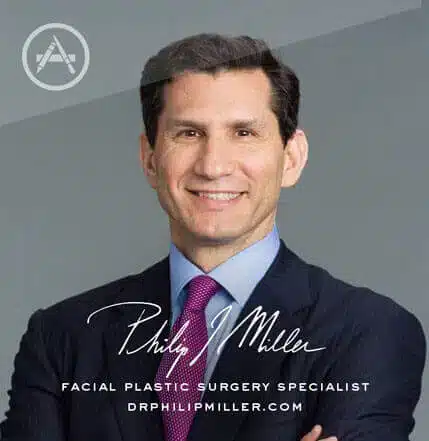
Plastic Surgery w/ Dr. Miller
If you’re thinking about getting a lift, nip, or tuck, this app is for you. It’s the most comprehensive pocket encyclopedia of plastic surgery terms, before and after photos, and visualization tools to help you really know what to expect from a procedure, including seeing potential results on your own photo. This app is only available on the App Store for iOS devices.
View in App Store