Why Choose an ENT Specialist for Rhinoplasty
Rhinoplasty is often associated with cosmetic refinement. However, for many patients, nasal shape and nasal function are closely connected. Breathing difficulty, chronic congestion, or asymmetry caused by internal structural issues can affect daily comfort as much as appearance. When nasal airflow is compromised, addressing aesthetics alone may not be enough.
This is where the expertise of a nasal breathing specialist becomes essential.
Working with an ENT specialist who is also a plastic surgeon adds greater precision to rhinoplasty. Philip J. Miller, MD, combines advanced training in nasal airway function with aesthetic expertise, allowing both breathing and appearance to be evaluated together. This comprehensive approach supports natural-looking results while improving airflow and long-term nasal comfort.
Today, we will take a closer look at the benefits of choosing an ENT specialist for rhinoplasty and how this approach supports both form and function.
Understanding Rhinoplasty Beyond a Traditional Nose Job
A nose job is often viewed as a cosmetic procedure focused on size, shape, or symmetry. Modern rhinoplasty, however, extends far beyond surface-level changes. The nose plays a critical role in breathing, humidifying air, and supporting overall respiratory health.
Rhinoplasty considers bone, cartilage, internal valves, and nasal alignment together. When performed with advanced planning, the result is not only a refined appearance but also long-term structural stability. Patients benefit most when the procedure is designed to preserve support rather than compromise function for short-term cosmetic gains.

ENT Rhinoplasty and the Importance of Nasal Function
ENT rhinoplasty combines aesthetic expertise with a deep understanding of nasal anatomy and airway dynamics. Because the nose is both a facial feature and a functional organ, ENT training adds a layer of precision when reshaping the nasal framework.
A nasal breathing specialist evaluates airflow patterns, internal support structures, and areas of collapse that may not be visible externally. This approach allows rhinoplasty to enhance appearance while preserving nasal function. For patients with breathing concerns, ENT rhinoplasty is often the most comprehensive solution.

Signs You May Have a Deviated Septum Affecting Nasal Breathing
A deviated septum occurs when the nasal septum is displaced from the center of the nose, restricting airflow through one or both nostrils. Nasal septum deviation can develop from injury or natural growth and often worsens over time.
Many patients ask how to tell if they have a deviated septum. Symptoms may include persistent nasal congestion, frequent sinus infections, mouth breathing, or difficulty exercising due to limited airflow. In some cases, external nasal asymmetry may also be present, although internal deviation can exist even when the nose appears straight.
Septoplasty and Rhinoplasty for Functional and Aesthetic Improvement
Septoplasty and rhinoplasty are often performed together when both breathing and appearance are affected. Septoplasty focuses on correcting the internal alignment of the septum, while rhinoplasty reshapes the outer nasal structure.
When combined, septoplasty and rhinoplasty allow for balanced correction that supports airflow and facial harmony. This integrated approach helps ensure that cosmetic changes do not compromise breathing and that functional improvements align naturally with the nose’s external appearance.
Functional Rhinoplasty for Long-Term Breathing Support
Functional rhinoplasty addresses issues that go beyond septal deviation. Weak cartilage, internal nasal valve collapse, or prior nasal surgery can all interfere with airflow. Simply straightening the septum may not resolve these concerns.
A functional rhinoplasty reinforces nasal structures to maintain open airways during breathing. By supporting internal valves and preserving cartilage strength, this approach helps patients experience lasting improvement rather than temporary relief. For individuals with chronic obstruction, functional rhinoplasty can significantly enhance daily comfort and sleep quality.
Deviated Septum Surgery and What Patients Can Expect
Deviated septum surgery, also known as septoplasty, is designed to reposition and straighten the nasal septum to improve airflow. When performed by an experienced surgeon, septoplasty in NYC is typically completed with precision and efficiency.
Recovery varies by patient, but many notice improved breathing within the early healing phase. Swelling resolves, allowing airflow to continue improving over time. When combined with rhinoplasty, healing is coordinated to support both structural correction and aesthetic refinement.
Common Benefits of Septoplasty and Functional Rhinoplasty
This section highlights key advantages for patients seeking both comfort and confidence:
• Improved nasal breathing and airflow
• Reduced congestion and sinus pressure
• Enhanced nasal symmetry and balance
• Better sleep quality and exercise tolerance
• Long-term structural stability of the nose
These benefits underscore the importance of addressing function and form together rather than treating them separately.
Why Experience Matters in Rhinoplasty and Septoplasty in NYC
Rhinoplasty is one of the most complex facial procedures due to the delicate balance between structure, aesthetics, and airflow. Septoplasty adds another layer of precision, as internal anatomy must be corrected without compromising external appearance.
Choosing a surgeon with extensive experience in rhinoplasty and septoplasty in NYC is essential for achieving reliable outcomes. Advanced training enables accurate diagnosis, thoughtful planning, and surgical techniques that prioritize long-term outcomes.
Revision Rhinoplasty for Breathing Concerns and Unsatisfactory Results
If a prior rhinoplasty resulted in ongoing breathing difficulties or did not achieve the desired outcome, a revision rhinoplasty can be an effective solution. Changes to nasal structure, scar tissue, or weakened support can interfere with airflow and overall comfort.
Working with an ENT specialist and plastic surgeon such as Philip J. Miller, MD allows both nasal function and appearance to be carefully reassessed. This combined expertise supports correction of breathing issues while refining structure, helping restore comfort, balance, and confidence.
Personalized Evaluation for Rhinoplasty and Nasal Breathing Concerns
Every nose is unique, and successful outcomes begin with a thorough evaluation. During consultation, nasal structure, airflow, and aesthetic goals are carefully reviewed. This process ensures that recommendations align with both medical needs and personal preferences.
A comprehensive assessment allows patients to understand their options clearly and move forward with confidence, knowing that both appearance and breathing have been fully considered.
Explore Solutions for Improved Breathing with Philip J. Miller, MD in NYC
Rhinoplasty, functional rhinoplasty, and deviated septum surgery require precision, experience, and a comprehensive understanding of nasal structure and breathing function. When septoplasty is involved, working with an ENT specialist for rhinoplasty is especially important, as it allows both internal nasal alignment and external shape to be addressed together. This combined expertise supports results that improve airflow while maintaining natural facial balance.
Precision in Form. Freedom in Breathing.
If you are considering rhinoplasty, septoplasty, or treatment for a deviated septum, scheduling a consultation with plastic surgeon Philip J. Miller, MD, in NYC allows you to explore your options with clarity, expertise, and confidence.
Do I need rhinoplasty or septoplasty?
Noses can have a range of issues that patients want corrected. Septoplasty and rhinoplasty are two common surgical procedures used to correct various nasal abnormalities. Despite being similar in name, the two procedures are actually quite different. A septoplasty focuses on the internal structure of the septum to correct functionality, while a rhinoplasty focuses more on the outer appearance and aesthetics of the nose.
While both procedures are centered around the nose, each method has a designated goal and outcome that can provide patients with a better-looking and functioning nose. Do you need rhinoplasty or septoplasty? Take a look:
Rhinoplasty vs septoplasty: what’s the difference?
Septoplasty is a common procedure to correct breathing problems, and rhinoplasty is used to correct aesthetic features like nose shape and size. Septoplasty is used to correct septal deviations. The septum is the cartilage that separates the nasal passages. When this cartilage shifts to the side, known as a deviated septum, it can affect your ability to breathe easily and lead to nasal blockages and frequent nosebleeds. Septoplasty realigns the septum to achieve symmetry in the nasal cavities and improve nasal function.

A rhinoplasty, also known as a nose job or nose reshaping surgery, is used to improve the appearance of the nose. Many patients feel the shape or size of the nose detracts from other facial features, and a nose job can make minor changes or reconstruct an entire nose to make it fit harmoniously with other facial features. It is a highly complex procedure that can be personalized to fit each patient’s desires and aesthetic beauty goals.
While they have their differences, septoplasty and rhinoplasty are both surgical procedures that require the care and expertise of a board-certified facial plastic surgeon. It is critical to work with a surgeon that has years of experience to ensure your results are seamless and natural.
When to choose rhinoplasty?
Although rhinoplasty is a popular cosmetic procedure, it is not for everyone. You may be a candidate for rhinoplasty if you:
- Are in good overall health
- Want to improve facial balance
- Have an irregularity like a bulbous tip
- Want to address ethnic nose characteristics
A rhinoplasty can address many irregularities, including:
- Size of the nose
- Shape of the nasal tip
- Wide or narrow nostrils
- Angle of the nose
- Nose and upper lip that are too close together
- Hooked or crooked nose
- Hump or bump
- Nose asymmetry

When to choose septoplasty?
You may be a candidate for septoplasty if you experience:
- Excessive snoring
- Sleep apnea
- Recurrent sinusitis
- Breathing difficulties
- Respiratory complaints
- Deviated septum due to injury or trauma
Septoplasty has many benefits associated with clearing the nasal passage, including:
- Uninterrupted breathing patterns
- Better sleep
- Improved airflow
- Self-maintained airways and drainage passageways
- Reduced sinus infections
- Improved smell and taste
Can I get rhinoplasty with septoplasty at the same time?
Yes, rhinoplasty with septoplasty is a common surgical combination. Having rhinoplasty and septoplasty at the same time is a popular choice for patients in need of improved functionality and appearance. It allows you to receive the best of both worlds – the improved breathing offered by septoplasty while adjusting cosmetic irregularities like a hump or bulbous tip. It is safe and effective to correct all issues with one procedure to reduce recovery time and ensure all changes are cohesive.
Your expert facial plastic surgeon should comprehensively evaluate your needs to determine if you need septoplasty and rhinoplasty procedures to achieve your desired results and eliminate any functional issues you might have. There are several benefits to having the procedures done together, such as:
- One surgical cost
- One recovery time
- Convenience
- Possible insurance coverage for the septoplasty portion of the procedure
- Better outcomes aesthetically and functionally
Septoplasty and rhinoplasty surgeon in New York
Philip J. Miller, MD, FACS, is a world-renowned plastic surgeon who is double board-certified in facial plastic and reconstructive surgery of the head and neck. He has more than 20 years of experience with facial plastic surgery and is considered a leading expert in rhinoplasty and facial rejuvenation. He is a highly acclaimed surgeon offering custom treatment plans to help patients meet their aesthetic goals.
Dr. Miller uses the NatraLook® process, an enriching experience that allows patients to explore their confidence in a safe and supportive environment. He creates a unified vision with patients by discussing their personal desires and obstacles. Contact us to schedule a consultation and learn more about septoplasty and rhinoplasty.
Rhinoplasty and Allergies: What You Need to Know
While rhinoplasty cannot cure nasal allergies, it can treat conditions that may exacerbate an allergy, such as nasal polyps, turbinate hypertrophy, or a deviated septum. When a rhinoplasty is combined with a septoplasty, the functional changes made during septoplasty may relieve allergy symptoms and make breathing easier.
Can I Have Rhinoplasty Surgery With Seasonal Allergies?
You can have rhinoplasty surgery even if you have allergies. Allergic rhinitis is not a contraindication to rhinoplasty.
While allergies won’t affect the surgical techniques used in rhinoplasty, symptoms of allergic rhinitis (e.g., runny nose and postnasal drip) can worsen because of post-surgical swelling, possibly making your recovery time more challenging.
Sneezing can also be a challenge during your recovery. Many surgeons advise avoiding sneezing after rhinoplasty during the first week. Because your concern is to reduce nose swelling from allergies and avoid sneezing, it might be best to schedule your rhinoplasty around your allergy season.
If you have a mechanical obstruction in your nose, such as a deviated septum, this may also be improved during your surgery, allowing you to breathe better even in the worst allergy season.
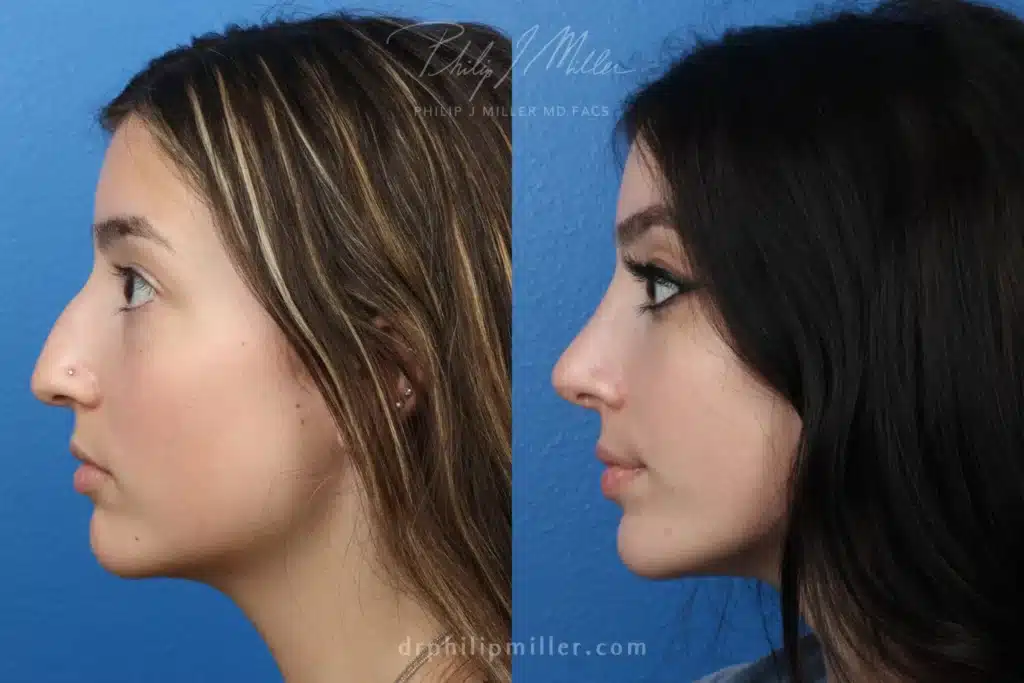
It is best to discuss your allergy history with your surgeon before undergoing nasal surgery. You can work out the right schedule for your surgery, and ideally, your surgeon will enhance the appearance of your nose while correcting any functional issues that affect your breathing.
How Rhinoplasty Can Help with Seasonal Allergies
Septoplasty, also referred to as corrective rhinoplasty, is a surgical solution for a deviated septum. If you have a deviated septum and seasonal allergies, straightening the septum can significantly ease your discomfort during allergy season.
Deviated septum and allergies often go together. While a deviated septum does not cause allergies, it can exacerbate the severity of allergy symptoms like congestion and sneezing.
Turbinates act like the tonsils of your nose. They are projected structures that help filter and humidify the air you breathe. They can become swollen when allergies flare up.
Turbinate reduction surgery can be performed as part of a rhinoplasty. By reducing the size of your turbinates, you experience less congestion and have an easier time breathing even with allergies.
Nasal polyps are small spherical growths that appear along the nasal passages, often as a result of the inflammation caused by allergies. Seasonal allergies may cause small nasal polyps to form. Large polyps can worsen allergy symptoms and affect airflow.
Polyps can be fixed during rhinoplasty to reduce congestion and improve breathing –both providing relief from your seasonal allergies.
Can a Nose Job Treat My Allergies?
No surgery is available to treat nasal allergies. Allergies are caused by immune responses to allergens (e.g., dust, pollen, and smoke) and not structural problems of the nose.
However, rhinoplasty can address conditions that worsen the symptoms of allergies, such as nasal polyps, turbinate hypertrophy, or a deviated septum. While these conditions aren’t responsible for the allergies themselves, they can make it more difficult to breathe when allergies strike.

Learn more about allergies at the Mayo Clinic.
Septoplasty vs. Rhinoplasty for Allergies
Rhinoplasty and septoplasty can improve the function of your nose so you can breathe easier. While a septoplasty is focused on fixing a deviated septum and addressing functional issues, a rhinoplasty will also improve the aesthetic appearance of your nose.
Deciding which nose allergy surgery is best should depend on your specific concerns and goals. Consulting with your surgeon is crucial. Your surgeon will ask about your medical history, allergy history, and medications, as well as the cosmetic and functional goals you want to achieve. Your surgeon can then recommend the best surgical approach for your unique case.
Getting Nasal Surgery for Allergies in New York City
Double-board certified facial plastic surgeon, Philip J. Miller, MD, FACS, blends art and science with innovation and skill to provide thousands of patients with impeccable results. Considered one of the country’s leading experts in rhinoplasty and facial rejuvenation, Dr. Miller and his highly acclaimed team are proud to offer patients the highest level of care and customized treatments in New York City.
Dr. Miller developed the NatraLook methodology for his cosmetic procedures for the face. NatraLook is a specialized consultation process through which Dr. Miller will evaluate your facial features and listen to your concerns and goals. He will reassure and support your opinions positively, creating a collaborative environment that gives you a real say in your own procedure. This opportunity allows patients and Dr. Miller to create a unified vision for optimal results and the most natural outcome possible.
If you’re considering nose surgery for allergies, other functional concerns, or cosmetic reasons, schedule a consultation with Dr. Miller in Manhattan, New York, or New Orleans, Louisiana today.
Next, read more about nose surgery for breathing here.
Nose Surgery for Breathing
If you’re having trouble breathing due to a deviated septum or experiencing chronic sinus infections that don’t respond to over-the-counter medication, it’s time to schedule a consultation with a board-certified facial plastic surgeon. Nose surgery for breathing can improve your airway and help you live a healthier life.
Types of Nose Surgery to Breathe Better
Different types of nose surgery help patients breathe better, including rhinoplasty and septoplasty.
Rhinoplasty
If your nose is too small, it can cause airflow to become restricted, which can cause you to feel like you’re suffocating. If your nose is too large, it can cause your air passages to become narrowed, which can cause breathing to feel like you’re breathing through a straw. Both of these issues can be corrected with nose surgery (rhinoplasty).
Septoplasty
Septoplasty is another type of nose surgery that is used to correct a deviated septum. While a deviated septum is the most common structural irregularity, other obstructions can impede airflow and make breathing challenging. Septoplasty surgery realigns the walls between the two nostrils for balance and symmetry in the nasal cavities. In some cases, it might be necessary to combine septoplasty with turbinate reduction, which removes or reduces the bony, mucosa-lined outgrowths on the sides of each nostril for easier air passage.

Rhinoplasty vs. Septoplasty
Rhinoplasty and septoplasty are both nose surgeries for breathing but are not the same procedures. A septoplasty can be performed independently from a rhinoplasty procedure to realign the septum into the midline using an incision by the nostrils. The septum is separated from the mucosa and repositioned for improved breathing. A crooked nasal septum is known as a deviated septum, which blocks the nasal passage and obstructs breathing.
A deviated septum is an internal obstruction that many patients do not know they have but can cause symptoms such as:
- Snoring
- Sinusitis
- Breathing difficulties
- Sleep apnea
- Respiratory complaints
A septoplasty surgery has many benefits, including:
- Better breathing: It clears the nasal passage for uninterrupted breathing patterns.
- Improved sleep: Clear airways and consistent airflow allows for a quality night’s sleep without snoring or sleep apnea.
- Fewer sinus infections: Drainage improves when the airway is clear and reduces reoccurring sinus infections.
- Improved smell and taste: When the nose works properly and has aligned passageways, it makes smell and taste more powerful.
Rhinoplasty for breathing problems is a more comprehensive solution that can correct a variety of issues involving both function and appearance. A septoplasty is specifically used to treat a deviated septum, while rhinoplasty for breathing can correct other nasal obstructions, and address issues that impact the appearance of the nose.
Rhinoplasty for breathing can correct nasal support if one or both nostrils have a structural collapse that impedes breathing patterns. Before nose surgery for breathing, a detailed examination will determine the cause of impaired breathing and evaluate different nasal structures to identify the most effective course of action.

A rhinoplasty procedure can treat cosmetic or reconstructive needs that improve the appearance by reshaping, reducing, and adjusting the angle. Rhinoplasty is ideal for patients looking to correct the nose’s appearance and breathing complications. The shape and size of nostrils and a hooked or crooked nose can make breathing more complex and can be fixed with a rhinoplasty. With an expert plastic surgeon, rhinoplasty is a diversified surgery that can improve various symptoms that impact form and function.

Considering nose surgery for breathing problems? Contact our office today
Rhinoplasty and septoplasty procedures are common plastic surgery procedures but are extremely complex and require an experienced, board-certified surgeon. Phillip J. Miller, MD, FACS, is a world-renowned double board-certified facial plastic surgeon with more than two decades of experience. He specializes in rhinoplasty procedures and has executed thousands of successful cosmetic and reconstructive nasal surgeries.
Dr. Miller uses the Natralook® process to evaluate and design a treatment plan to give patients more aesthetic confidence. It is an empowering process that creates a safe and supportive space for patients to discuss concerns and desires and prepare a unified vision between Dr. Miller and patients.
If you are interested in nose surgery for cosmetic or functional reasons, we can help. Contact us to schedule a consultation at our New York City or New Orleans office and learn more about nose surgeries for breathing.