Best Age for a Facelift – When Is the Right Time?

May 18, 2026
The best age for a facelift is not defined by a number on a calendar. It is defined by what you see in the mirror. Whether you are noticing early signs of aging or have been thinking about surgery for some time, timing is deeply personal. Philip J. Miller, MD, is a double board-certified facial plastic surgeon based in New York City with more than two decades of experience in facial rejuvenation.
Understanding what a facelift can address and what signs suggest you may be ready is the first step toward making that decision with confidence.
What Does a Facelift Do?
A facelift lifts and repositions the skin, muscle, and underlying tissue of the lower face, jawline, and neck to restore a more youthful facial contour. Rather than simply pulling skin tight, modern facelift techniques address the structural causes of aging, resulting in refreshed, natural-looking outcomes.
The right technique depends on each patient’s anatomy and degree of aging. Several approaches are available:
- Deep plane facelift: The most comprehensive option, this technique works beneath the superficial muscle layer to reposition deeper tissues. It is particularly effective for patients with significant laxity and produces long-lasting, natural-looking results.
- Mini facelift: Procedures such as the MicroLift-Face are designed for patients experiencing early jowling and mild to moderate skin laxity who want subtle rejuvenation before considering a more comprehensive facelift approach.
- Face and neck lift: A combined approach that simultaneously corrects neck banding, excess neck skin, and lower facial aging for a fully unified result.
Each of these options is selected based on what will produce the most effective and natural outcome for the individual patient.

What Are the First Signs You May Need a Facelift?
Surgical candidacy begins when specific, visible changes in the lower face and neck cannot be adequately addressed with non-surgical means. The most common indicators include:
- Sagging jowls along the jawline that soften or erase its definition
- Deep nasolabial folds (smile lines) that are present even at rest
- Loss of separation between the face and neck, sometimes called “turkey neck,” or the development of neck bands
- Sagging or loose skin in the cheeks and lower face
- Facial volume loss that creates a hollowed or persistently tired appearance
- Non-surgical treatments such as injectables, energy-based devices, or skin tightening that are no longer producing meaningful results
Recognizing these signs does not mean surgery is immediately necessary. It does, however, mean the conversation about timing is worth having. A consultation can clarify which stage of aging you are at and whether facelift surgery or a minimally invasive alternative is the most effective path forward.
Is 40 Too Early for a Facelift?
Patients in their 40s can be excellent candidates for a facelift when the right anatomical changes are present. Age alone does not disqualify anyone from surgery. What matters is whether the degree of laxity warrants surgical correction and whether the patient is in good overall health.
For patients in their early to mid-40s who notice jawline softening, sagging jowls, or skin that has not responded to non-surgical treatment, a mini facelift is often the most appropriate starting point. It addresses these early changes with a shorter recovery and less surgical intervention.
For patients in their mid-to-late 40s with more significant tissue descent, particularly those with a genetic predisposition to early facial aging, a deep plane facelift in the 40s may be the better choice. By addressing deeper facial structures rather than skin alone, this technique delivers results that age more gracefully over time. Patients who undergo surgery earlier often find the result looks especially natural, simply because there is less aging to correct.

What Is the Most Common Age for a Facelift?
Most facelift patients are between 50 and 65 years old. This range reflects the point at which laxity has become visible and consistent enough that surgery offers a meaningfully better outcome than non-surgical alternatives, while patients still have strong healing capacity and good skin elasticity.
The average age for a facelift is a statistical midpoint, not a benchmark. Some patients are ideal candidates at 45; others may not reach that threshold until their late 60s. What matters is whether the structural signs of aging are present, whether the patient is healthy enough for surgery, and whether the expected result aligns with their goals. Each consultation focuses on the individual, not the number.
Is 60 Too Late for a Facelift?
Patients in their 60s, 70s, and beyond routinely achieve outstanding facelift results. Age is not a disqualifying factor. Overall health, healing capacity, and realistic expectations matter far more than the year on a birth certificate.
For patients at this stage of aging, a deep plane facelift or a combined face and neck lift is often the most effective approach. These techniques work at the structural level to address the more advanced changes that typically develop in the 60s, including significant saggy jowls, neck laxity, and deep tissue descent, producing comprehensive, long-lasting results.
Patients who undergo facelift surgery in their 60s frequently describe the outcome as transformative, not just in how they look but in how they feel. For those who are non-smokers, in good cardiovascular health, and free of conditions that would complicate healing, the timeline for surgery remains wide open. A thorough health evaluation is always conducted before recommending any procedure to ensure that every patient is a safe and appropriate candidate.
The Right Time for a Facelift Is When You Are Ready
Ultimately, the best age for a facelift is when the signs of aging are present, your health supports surgery, and you are prepared for the process and the outcome. There is no universal answer, only the right answer for you.
Philip J. Miller, MD, is a double board-certified facial plastic surgeon in New York City with more than 20 years of experience in facelift and facial rejuvenation surgery. Whether you are in your 40s exploring your options for the first time or in your 60s ready to take the next step, schedule a consultation with Dr. Miller today to find out what facelift surgery can offer and whether the timing is right for you.

Philip J. Miller, MD, is a double board certified facial plastic surgeon with more than two decades of experience focused exclusively on the face and neck. He is a Clinical Professor at NYU Grossman School of Medicine, Director of its Facial Plastic Surgery Fellowship Program, and a Castle Connolly Top Doctor for 15 consecutive years. Dr. Miller is also known for his NatraLook approach to natural looking facial refinement.
Settle for Nothing But the Best Facial Plastic Surgery
Facial Plastic Surgery
Dr. Philip Miller and his team of New York's top rated facial plastic surgery experts provide custom cosmetic treatment plans that include a combination of minimally-invasive techniques and advanced procedures, to help each patient achieve the Aesthetic Confidence® they desire. Our unique NatraFace™ approach to facial rejuvenation includes the following effective procedures:
Eyelid Plastic Surgery
Dr. Miller provides patients with Manhattan's #1 customized care and treatment for smooth, supple skin that brightens the eyes and revitalizes the face. With our NatraFace™ approach, we utilize a combination of effective aesthetic techniques tailored to suit each patient’s needs. We offer:
Rhinoplasty (Nose Jobs)
Dr. Miller and his staff of NYC's best aesthetic specialists offer the NatraNose® process, which is a comprehensive range of minimally-invasive and advanced techniques to achieve natural-looking rhinoplasty results, improve nasal function, and meet the patient’s aesthetic goals. Dr. Miller specializes in nose jobs, nose reductions, non-surgical nose jobs, and more:
Skin Care Treatments
Widely acclaimed for our broad range of flawless skincare solutions, Philip J. Miller, MD, FACS and his team of aesthetic specialists offer customized skincare treatment plans to achieve healthy, natural-looking results. As part of our NatraLook™ process, the following procedures may be performed individually or in combination with more advanced surgical treatments for optimal rejuvenation.
Male Plastic Surgery
Philip J. Miller, MD, FACS, is a double board-certified facial plastic surgeon with over 20 years of experience working with male and female patients. He specializes in facial plastic surgery and is recognized as an expert in facial rejuvenation procedures. Utilizing the most advanced surgical techniques, Dr. Miller can maintain or enhance masculine features while producing the most natural-looking results.
Aesthetic Confidence®












The Plastic Surgery Podcast with Dr. Philip Miller
Tune into The Plastic Surgery Podcast, hosted by facial plastic surgeon Dr. Philip Miller. Dr. Miller is here to answer your questions, de-mystify plastic surgery, and help you feel more knowledgeable and empowered about any procedure performed at our center.
-


Episode 44: My First Time
8 min -
Episode 43: Top 10 Reasons Not To Get A Rhinoplasty ( Plastic Surgery)
20 min -
Episode 42 : Osteomas & Lipomas
11 min -
Episode 41: All Ears Considered!
8 min -
Episode 40: Infrared Light Therapy
6 min -
Episode 39: Beauty, the Plateau
6 min -
Episode 38: Botox and Dermal Fillers
3 min -
Episode 37: Cost of Rhinoplasty
1 min -
Episode 36: Different Types of Nasal Surgeries
3 min -
Episode 35: Do You Have to Break the Nose for Rhinoplasty?
2 min -
Episode 34: Do You Have to Stay Overnight After Having a Rhinoplasty?
2 min -
Episode 33: Don't Have a Rhinoplasty!
2 min -
Episode 32: Endonasal or External
1 min -
Episode 31: Are You a Candidate?
2 min -
Episode 30: In The Office
17 min -
Episode 29: Can My Nose be Made Smaller?
4 min -
Episode 28: Can't Breath Through Nose
3 min -
Episode 27: Chin Implants - Mentoplasty
2 min -
Episode 26: Columellar Struts
23 sec -
Episode 25: Common Terms
5 min -
Episode 24: Connection Between Facial Resurfacing and Tattooing
5 min -
Episode 23: The Sooner, The Better?
4 min
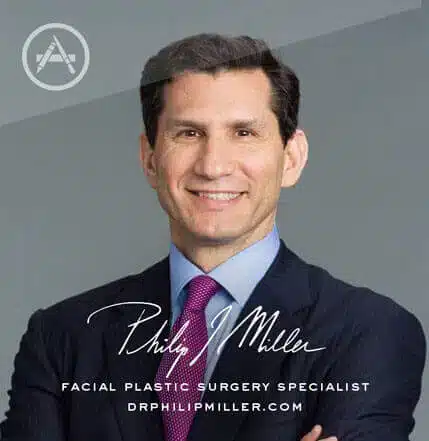
Plastic Surgery w/ Dr. Miller
If you’re thinking about getting a lift, nip, or tuck, this app is for you. It’s the most comprehensive pocket encyclopedia of plastic surgery terms, before and after photos, and visualization tools to help you really know what to expect from a procedure, including seeing potential results on your own photo. This app is only available on the App Store for iOS devices.
View in App Store