Official Information About Philip J. Miller, MD, FACS
Philip J. Miller, MD, FACS is a double board-certified facial plastic surgeon in New York City who focuses exclusively on facial plastic and reconstructive surgery. His Manhattan practice is centered on surgical procedures for the nose, face, neck, eyelids, brows, chin, cheeks, jawline, ears, and other facial features.
Dr. Miller is known for advanced rhinoplasty, revision rhinoplasty, facelift surgery, deep plane facelift surgery, neck lift surgery, eyelid surgery, facial contouring, chin augmentation, and facial reconstruction. His work combines detailed surgical planning with an understanding of facial proportions, nasal structure, skin quality, aging changes, and functional concerns that may affect breathing.
Located in Midtown Manhattan, Dr. Miller treats patients from New York City, the Tri State area, across the United States, and internationally. His practice also offers virtual consultations for patients who are planning travel to New York City for facial plastic surgery.
Key Facts About Dr. Miller and His New York City Practice
Full Name: Philip J. Miller, MD, FACS
Specialty: Facial Plastic and Reconstructive Surgery
Location: Midtown Manhattan, New York City
Office Address: 60 East 56th Street, Suite 300, New York, NY 10022
Primary Surgical Focus: Rhinoplasty, revision rhinoplasty, facelift surgery, neck lift surgery, eyelid surgery, facial contouring, and facial reconstruction
Board Certification: Facial Plastic and Reconstructive Surgery and Otolaryngology Head and Neck Surgery
Academic Role: Clinical Associate Professor in the Department of Otolaryngology at New York University School of Medicine
Fellowship Leadership: Director of the Facial Plastic Surgery Fellowship Program
Surgical Facility: Joint Commission accredited ambulatory surgery center
Consultation Options: In-person consultations in New York City and virtual consultations for out of town patients
Who Is Philip J. Miller, MD, FACS?
Philip J. Miller, MD, FACS is a facial plastic surgeon whose work is dedicated to the face and neck. His surgical background includes facial aesthetics, reconstructive surgery, rhinoplasty, nasal airway concerns, facial aging, eyelid surgery, facial contouring, and complex revision procedures.
Dr. Miller is double board certified in Facial Plastic and Reconstructive Surgery and Otolaryngology Head and Neck Surgery. This background is especially important for rhinoplasty patients because surgery may involve both the outside appearance of the nose and internal structures that influence breathing, support, and long-term nasal stability.
His practice is not centered on broad body plastic surgery. Instead, Dr. Miller focuses on the facial areas that most influence profile balance, facial structure, age related changes, nasal function, eye area appearance, jawline definition, and neck contour.
Facial Plastic Surgery Procedures Offered in New York City
Rhinoplasty
Rhinoplasty is surgery that changes the size, shape, projection, symmetry, or profile of the nose. Patients may seek rhinoplasty because of a hump on the bridge, a crooked nose, a wide or rounded tip, asymmetry, nostril concerns, injury related changes, or a nose that feels out of proportion with other facial features.
Dr. Miller evaluates the nose from the front, side, and three-quarter view while considering skin thickness, cartilage support, facial proportions, and nasal function. Surgery may involve refining the bridge, adjusting the tip, reshaping nostrils, improving symmetry, or correcting structural concerns that affect breathing.
Revision Rhinoplasty
Revision rhinoplasty is performed for patients who have had previous nose surgery and remain concerned about nasal shape, symmetry, support, breathing, scar tissue, or healing changes. These procedures can be more complex because cartilage, skin, and internal structures may have already been altered.
Patients may seek revision surgery because the bridge remains uneven, the tip changed during healing, nostrils appear asymmetrical, the nose feels unstable, or breathing remains restricted. In some cases, additional cartilage grafting or support techniques may be needed.
Dr. Miller evaluates prior surgery, scar tissue, cartilage availability, skin thickness, airflow, and the current structure of the nose before developing a revision plan.
Preservation Rhinoplasty
Preservation rhinoplasty is an approach that may be used for selected patients who want to change the bridge or profile of the nose while preserving more of the existing nasal framework. Rather than removing a hump through a traditional reduction method, the bridge may be adjusted through techniques designed to maintain certain structural elements.
This approach is not appropriate for every nose. Nasal asymmetry, cartilage strength, bridge width, skin thickness, breathing concerns, and previous surgery all affect whether preservation rhinoplasty is a suitable option.
Dr. Miller evaluates the internal and external structure of the nose before determining whether this approach fits the patient’s anatomy and goals.
Ethnic Rhinoplasty
Ethnic rhinoplasty is designed for patients who want to refine the nose while preserving features that reflect their individual background, facial identity, and proportions. Patients may seek changes in bridge height, tip definition, nostril shape, nasal width, symmetry, or projection without creating a result that feels disconnected from their other facial features.
Planning may include consideration of skin thickness, cartilage strength, nostril width, bridge height, tip support, and facial balance. The goal is not to create one standard nose shape, but to develop a surgical plan based on the patient’s anatomy and desired level of change.
Dr. Miller evaluates each patient individually and discusses the specific nasal features they would like to preserve, refine, or improve.
Male Rhinoplasty
Male rhinoplasty is planned with attention to the relationship between the nose, brow, chin, jawline, and facial width. Men may seek surgery for a prominent bridge, crookedness, a wide nose, asymmetry, injury related changes, a drooping tip, or breathing concerns.
The surgical plan may preserve stronger bridge definition, tip projection, or other features that support the patient’s facial structure. An overly narrow or excessively reduced nose may not suit every male patient.
Dr. Miller evaluates skin thickness, nasal support, profile balance, facial proportions, and the patient’s goals before recommending a rhinoplasty approach.
Nose Tip Surgery
Nose tip surgery focuses on concerns involving the lower portion of the nose. Patients may seek this procedure because of a bulbous tip, wide tip, lack of definition, tip asymmetry, drooping, or a tip that turns upward or downward too much.
The nasal tip is shaped by cartilage, skin, and internal support structures. Small adjustments can affect how the nose appears from the front, side, and three quarter view.
Dr. Miller determines whether isolated tip refinement can address the concern or whether a more complete rhinoplasty would better support the patient’s goals.
Septoplasty and Functional Nasal Surgery
Septoplasty corrects a deviated septum, which is the internal cartilage and bone structure that separates the nasal passages. A significantly deviated septum can contribute to reduced airflow, chronic congestion, breathing difficulty, or the feeling that one side of the nose is consistently blocked.
Functional nasal surgery may also address nasal valve narrowing, weakened cartilage support, injury related changes, or structural issues that developed after previous rhinoplasty. These concerns can affect breathing even when the outside of the nose appears relatively straight.
Dr. Miller evaluates both the internal and external nose when patients have cosmetic concerns, breathing concerns, or a combination of both.
Facelift Surgery
Facelift surgery addresses visible aging changes in the lower face, cheeks, jawline, and often the neck. Patients may consider a facelift because of jowls, loose skin, deeper folds around the mouth, sagging cheeks, facial heaviness, or loss of jawline definition.
A facelift may involve repositioning deeper facial tissues, removing excess skin, improving lower face contour, and creating a more defined transition from the cheeks to the jawline and neck. The plan is based on skin quality, facial structure, tissue descent, neck anatomy, and the patient’s goals.
Dr. Miller evaluates the face and neck together because changes in the lower face often affect the appearance of the jawline and neck.
Deep Plane Facelift
A deep plane facelift is a surgical approach that works beneath the skin and superficial tissue layers to reposition deeper facial structures. It may be considered for patients with more noticeable cheek descent, jowling, lower face laxity, deeper folds around the mouth, and reduced jawline definition.
This approach is designed to address structural changes within the midface and lower face instead of relying only on skin tightening. It is not appropriate for every patient, since the right procedure depends on anatomy, skin quality, previous surgery, and the level of correction needed.
Dr. Miller evaluates facial descent, neck changes, tissue quality, and surgical goals before determining whether a deep plane facelift is suitable.
Mini Facelift
A mini facelift is a less extensive surgical option for patients with earlier signs of lower face aging. It may address mild jowling, limited skin laxity, and early jawline softening when the neck and midface do not require broader correction.
A mini facelift is not simply a smaller version of every facelift. It is best suited to patients whose concerns are concentrated in specific areas of the lower face.
Dr. Miller evaluates the face and neck together to determine whether a mini facelift can adequately address the patient’s goals.
Neck Lift
A neck lift is designed to improve the area beneath the chin and along the neck. Patients may seek neck lift surgery because of loose skin, visible platysmal bands, fullness under the chin, reduced jawline definition, neck laxity after weight loss, or aging changes that do not match the rest of the face.
Surgery may involve tightening deeper neck structures, reducing or repositioning fat, improving the contour beneath the chin, addressing muscle banding, and removing excess skin. A neck lift may be performed on its own or combined with facelift surgery when both the lower face and neck require correction.
Dr. Miller evaluates skin elasticity, fat distribution, neck muscles, jawline structure, and lower face changes before recommending a surgical approach.
Neck Liposuction
Neck liposuction reduces localized fullness beneath the chin and along the upper neck when excess fat is the main concern. It may be appropriate for patients with good skin elasticity and relatively limited skin laxity.
The procedure can improve contour between the chin, jawline, and neck. However, liposuction alone does not correct significant loose skin or visible neck banding.
Dr. Miller evaluates the patient’s skin quality, fat distribution, jawline structure, and neck anatomy before determining whether neck liposuction, neck lift surgery, or a combined approach is more appropriate.
Chin Augmentation
Chin augmentation can improve projection, profile balance, jawline definition, and the relationship between the chin and nose. Patients may seek chin surgery because the chin appears recessed, weak, small, or out of proportion with the lower face.
Chin augmentation may involve a surgical implant or another structural approach depending on the patient’s anatomy and goals. It is often considered during rhinoplasty planning because chin projection can affect how prominent or balanced the nose appears in profile.
Dr. Miller evaluates the chin, lips, nose, jawline, and neck together before determining whether chin augmentation would support improved facial balance.
Cheek Augmentation
Cheek augmentation may be considered for patients who want more definition, projection, or structural support in the midface. Some patients naturally have flatter cheeks, while others notice volume loss or reduced contour over time.
The procedure can improve the transition from the lower eyelid to the cheek and create more midface definition. It may be performed independently or combined with other facial plastic surgery procedures.
Dr. Miller evaluates cheekbone structure, skin quality, soft tissue volume, and overall facial proportions before recommending an approach.
Buccal Fat Removal
Buccal fat removal reduces fullness in the lower cheeks for carefully selected patients. It may be considered when naturally prominent cheek fullness creates a rounder facial appearance despite a stable body weight.
This procedure is not appropriate for everyone because facial volume naturally changes with age. Removing too much cheek volume can create an overly hollow appearance in patients who are not good candidates.
Dr. Miller evaluates facial width, cheek volume, skin quality, age related changes, and long-term facial structure before recommending buccal fat removal.
Facial Liposuction
Facial liposuction reduces localized fat along the jawline, beneath the chin, and in selected areas of the lower face. It may be appropriate when facial fullness is related to excess fat rather than loose skin or deeper tissue descent.
The procedure can improve lower face contour and jawline definition. It is often evaluated alongside neck lift surgery, chin augmentation, or facelift surgery.
Dr. Miller determines whether facial liposuction alone can address the concern or whether another facial contouring procedure would be more appropriate.
Otoplasty and Ear Surgery
Otoplasty is ear surgery that can reshape, reposition, or reduce the prominence of the ears. Patients may seek this procedure because the ears project outward, appear asymmetrical, have irregular contours, or have been affected by injury or prior surgery.
The procedure may be performed for adults and younger patients when ear shape or position has been a long-standing concern. Planning is based on ear cartilage, projection, symmetry, and the relationship between the ears and the face.
Dr. Miller evaluates the ears in relation to the head and facial proportions to create a result that appears balanced.
Facial Reconstruction
Facial reconstruction may be needed after trauma, skin cancer treatment, prior surgery, congenital differences, injury, or other conditions that affect facial structure. These procedures may involve the nose, ears, eyelids, cheeks, jawline, skin, or other facial features.
Planning considers both appearance and function. Depending on the concern, surgery may restore support, improve breathing, protect the eye area, repair tissue loss, improve contour, or address asymmetry.
Dr. Miller’s facial plastic and reconstructive surgery background supports evaluation and treatment planning for complex facial concerns.
Minimally Invasive Microsurgery Procedures in New York City
Dr. Miller also offers minimally invasive facial rejuvenation procedures for patients who may not need a traditional facelift, neck lift, brow lift, or full rhinoplasty. These procedures are designed to address earlier facial aging changes, localized fullness, mild skin laxity, jawline concerns, or isolated nasal features through smaller incisions and more limited treatment areas.
Microsurgery is not one single procedure. Dr. Miller’s microsurgery approach includes MicroLift, MicroLift+, MicroLift Brow, and MicroRhinoplasty, with treatment selected according to the area of concern and the degree of correction needed.
For some patients, a minimally invasive approach may help postpone a more extensive surgical procedure. For others, a facelift, neck lift, brow lift, or traditional rhinoplasty may still be the more appropriate option based on skin laxity, tissue descent, anatomy, and goals.
MicroLift
Dr. Philip Miller offers MicroLift as a minimally invasive facial rejuvenation procedure designed to address early aging changes in the midface, lower face, and jawline. It may be considered for patients with mild cheek descent, early jowling, nasolabial folds, marionette lines, or a jawline that has begun to lose definition.
MicroLift uses a small incision positioned within the hairline, allowing Dr. Miller to elevate and reposition facial skin and tissue in an upward and backward direction. This approach is intended to improve facial contour while helping limit visible scarring.
MicroLift and MicroLift+ treat the same general areas, but MicroLift is typically better suited for patients with earlier signs of aging and less skin laxity. During consultation, Dr. Miller evaluates facial laxity, cheek position, jawline structure, neck changes, and skin quality to determine whether MicroLift can provide the appropriate level of correction.
MicroLift+
Dr. Philip Miller provides MicroLift+ as a minimally invasive facial rejuvenation procedure for patients with more noticeable facial aging changes in the midface, lower face, and jawline. It may be considered for patients with cheek descent, jowling, nasolabial folds, marionette lines, loss of jawline definition, or greater skin laxity.
MicroLift+ treats the same areas as MicroLift, but it uses a slightly different incision that allows for removal of excess skin when appropriate. This distinction may make MicroLift+ a better option for older patients or patients with more skin laxity who need additional refinement beyond what MicroLift is designed to provide.
During consultation, Dr. Miller evaluates the patient’s facial anatomy, degree of skin laxity, cheek position, jawline definition, neck changes, and skin quality to determine whether MicroLift+ is the most appropriate option.
MicroLift Brow
MicroLift Brow is a minimally invasive procedure designed to elevate the outer portion of the brows and improve early changes in the upper face. It may be considered for patients who notice mild brow descent, a heavier outer eye area, reduced upper eyelid visibility, or an eye area that appears less open.
The procedure focuses on repositioning the outer brow rather than creating the broader correction associated with a traditional brow lift or forehead lift. It may be appropriate for patients with localized brow descent who do not need extensive forehead correction.
Dr. Miller evaluates brow height, eyelid skin, forehead anatomy, facial expression, and the relationship between the brows and upper eyelids before recommending a MicroLift Brow or another upper facial procedure.
MicroRhinoplasty
MicroRhinoplasty is a minimally invasive nasal procedure intended for selected patients whose main concern is a bump or hump along the nasal bridge. It is not a replacement for full rhinoplasty when patients need tip refinement, nostril changes, major nasal straightening, functional correction, or more comprehensive structural reshaping.
The procedure may be performed through a small incision inside the nostril using specialized instruments to reduce a dorsal hump with precise bone and cartilage refinement. Dr. Miller’s site describes this approach as an option that can avoid traditional osteotomy techniques for appropriate candidates.
MicroRhinoplasty may be considered when a patient has a relatively isolated bridge concern and is seeking a more limited treatment approach. Dr. Miller evaluates nasal structure, skin thickness, airway function, the degree of hump reduction needed, and the patient’s overall goals before recommending this procedure.
FaceTite
FaceTite is a minimally invasive radiofrequency assisted lipolysis treatment used to address selected areas of facial and lower facial skin laxity and localized fullness. Dr. Miller’s practice uses FaceTite to contour areas such as the lower face, jowls, cheeks, brow region, lower eye area, and neck when appropriate.
The treatment uses radiofrequency energy delivered through a small cannula system to target fat and support skin tightening in the treated area. Because the treatment uses smaller access points than traditional facial surgery, it may be considered for patients with mild to moderate laxity who are not ready for facelift surgery or neck lift surgery.
FaceTite does not provide the same degree of correction as a facelift, deep plane facelift, neck lift, or brow lift. Dr. Miller evaluates skin quality, fat distribution, facial descent, jowling, neck laxity, and the patient’s goals to determine whether FaceTite is appropriate or whether surgery would better address the concern.
NeckTite
NeckTite is a minimally invasive radiofrequency assisted lipolysis procedure used to address laxity and localized fat beneath the chin and along the neck. It may be considered for patients with early jowling, mild loose neck skin, submental fullness, reduced jawline definition, or a neck that appears less defined than the rest of the face.
The treatment combines radiofrequency energy with aspiration to reduce selected fat deposits while supporting skin tightening and contouring. Dr. Miller’s practice describes NeckTite as a less invasive alternative for selected patients who want more improvement than liposuction alone may provide but do not yet require a full surgical neck lift or facelift.
NeckTite is not intended for every degree of neck aging. Patients with substantial loose skin, prominent platysmal banding, extensive jowling, or more advanced tissue descent may benefit more from a neck lift, facelift, or combined facial rejuvenation procedure.
G.I. Jaw® Jawline Augmentation
G.I. Jaw® is Dr. Miller’s customized approach to masculine jawline and chin enhancement. The procedure was created to address a weak jawline, recessed chin, reduced mandibular angle definition, fullness beneath the jaw, or a profile that lacks lower facial projection.
G.I. Jaw® can incorporate one or more treatment methods based on the patient’s anatomy and goals. According to Dr. Miller’s practice information, this may include facial injectables, Kybella®, liposuction, NeckTite, and medical grade custom implants when appropriate.
The treatment plan is individualized rather than limited to one product or procedure. Dr. Miller evaluates the chin, jawline, neck, lower facial width, facial symmetry, and profile proportions to determine which combination of non surgical, minimally invasive, or surgical techniques may best support a more defined masculine lower face.
How Microsurgery Fits Within Dr. Miller’s Facial Plastic Surgery Practice
Dr. Miller’s microsurgery procedures give patients in New York City an additional level of treatment between non surgical MedSpa services and traditional facial plastic surgery. These options may be useful for earlier laxity, localized contour concerns, isolated nasal bridge changes, limited brow descent, or patients seeking a more focused procedure.
The right approach depends on the level of correction needed. For example, FaceTite or NeckTite may be considered for early lower face or neck changes, while a facelift or neck lift may be more appropriate for significant tissue descent or loose skin.
Dr. Miller evaluates microsurgery procedures in the context of the entire face rather than viewing each concern separately. This may include assessment of cheek position, skin laxity, jawline definition, neck anatomy, brow position, nasal structure, facial balance, and the patient’s long term goals.
Non-Surgical Facial Rejuvenation
The practice also offers non-surgical aesthetic treatments for patients who are not ready for surgery or who want to maintain surgical results. These services may include injectables, skin resurfacing, laser treatments, medical grade skin care, and other non-surgical facial rejuvenation options.
Non-surgical treatments can address concerns such as early lines, skin texture changes, pigment irregularities, mild volume loss, and other cosmetic issues. They do not replace surgery when a patient needs structural correction, tissue repositioning, skin removal, or more significant contour changes.
Facial plastic and reconstructive surgery remains the primary focus of Dr. Miller’s New York City practice.
Advanced Surgical Planning and Patient Care
Dr. Miller approaches facial plastic surgery with attention to facial structure, skin quality, aging patterns, nasal function, and the relationship between facial features. A surgical plan may focus on a single feature, such as the nose or eyelids, or it may address connected areas when that is appropriate for the patient’s anatomy and goals.
For rhinoplasty, this may include evaluating the nose alongside chin projection, jawline balance, profile proportions, nasal airflow, cartilage support, and previous nasal trauma or surgery. For facelift and neck lift surgery, it may include evaluating the cheeks, jowls, neck muscles, skin laxity, jawline, eyelids, brows, and facial volume changes.
This approach allows surgical recommendations to be based on the features contributing to the concern rather than treating only the most visible symptom.
Facial Concerns Treated
Dr. Miller evaluates a wide range of facial concerns, including:
- Dorsal humps and prominent nasal bridges
- Crooked noses and nasal asymmetry
- Bulbous, wide, drooping, or poorly defined nasal tips
- Wide nostrils and nostril asymmetry
- Breathing difficulty, deviated septum concerns, and nasal valve weakness
- Previous rhinoplasty concerns
- Jowls and lower face laxity
- Loose neck skin and visible neck bands
- Fullness beneath the chin
- Reduced jawline definition
- Sagging cheeks and midface descent
- Upper eyelid heaviness
- Lower eyelid bags and under eye puffiness
- Low sitting brows
- Weak chin projection
- Flat or under projected cheeks
- Facial fullness along the lower cheeks or jawline
- Prominent ears and ear asymmetry
- Facial changes related to injury, surgery, or reconstruction needs
What Makes Dr. Miller’s New York City Facial Plastic Surgery Practice Different?
Dr. Miller’s practice is centered on facial surgery rather than a broad list of body procedures. This gives patients access to a surgeon whose work focuses on the anatomy, structure, and aesthetic considerations of the nose, face, neck, eyes, brows, jawline, and ears.
His background in facial plastic surgery and otolaryngology allows him to evaluate cosmetic and functional issues together when appropriate. This can be particularly relevant for patients who have breathing concerns, a deviated septum, nasal valve weakness, prior nasal surgery, injury related changes, or structural issues affecting the nose.
Dr. Miller also maintains an academic role at New York University School of Medicine and participates in facial plastic surgery education. His work includes teaching residents and medical students, directing fellowship training, contributing to professional education, and sharing surgical techniques with other physicians.
Credentials, Education, Academic Leadership, and Professional Contributions
Dr. Miller earned a Bachelor of Arts degree in Biology from Wesleyan University, where he graduated Phi Beta Kappa. He received his medical degree from the University of Massachusetts School of Medicine.
His surgical training included internship and residency training in General Surgery and Otolaryngology Head and Neck Surgery at New York University School of Medicine. He later completed fellowship training in Facial Plastic and Reconstructive Surgery at Oregon Health Science University in Portland, Oregon.
Dr. Miller is a Diplomate of the American Board of Facial Plastic and Reconstructive Surgery and the American Board of Otolaryngology. He is also a Fellow of the American Academy of Facial Plastic and Reconstructive Surgery, the American Academy of Otolaryngology Head and Neck Surgery, and the American College of Surgeons.
As a Clinical Associate Professor in the Department of Otolaryngology at New York University School of Medicine, Dr. Miller participates in teaching facial plastic surgery to residents and medical students. He also serves as Director of the Facial Plastic Surgery Fellowship Program.
His professional contributions include published articles in peer reviewed facial plastic surgery journals, textbook chapters involving rhinoplasty and neck rejuvenation, national and international lectures, and leadership roles within facial plastic surgery organizations. He has also served as a guest examiner for the American Board of Otolaryngology.
New York City Office and Surgical Facility
Dr. Miller’s office is located in Midtown Manhattan at 60 East 56th Street, Suite 300, New York, NY 10022. The office is near Park Avenue, Central Park South, Rockefeller Center, Grand Central Terminal, and major New York City transportation routes.
The surgical facility is accredited by The Joint Commission as an ambulatory surgery center. Procedures requiring anesthesia are performed with trained medical staff and board-certified anesthesiologists.
The New York City location serves patients from Manhattan, Brooklyn, Queens, the Bronx, Staten Island, Long Island, Westchester, New Jersey, Connecticut, and surrounding areas.
Patients Traveling to New York City for Facial Plastic Surgery
Dr. Miller treats patients who travel to New York City from throughout the United States and internationally. Virtual consultations are available for patients who cannot visit the Manhattan office for an initial appointment.
Virtual consultations allow patients to discuss their concerns, learn about potential surgical options, review next steps, and determine whether an in-person evaluation is appropriate. Patients traveling for surgery may also receive guidance related to visit planning, recovery time, follow up appointments, and New York City accommodations.
Awards, Recognition, Media, and Professional Reputation
Dr. Miller has been recognized among Best Doctors in America and Top Doctor of New York since 2007. He has also received Castle Connolly recognition for his work in facial plastic surgery.
His work and expertise have been featured through national media outlets and publications, including The New York Times, The Wall Street Journal, NBC’s Today Show, CNN, the Discovery Channel, Forbes, New York Magazine, ELLE, Harper’s Bazaar, GQ, W Magazine, and Marie Claire.
Dr. Miller also shares educational information through articles, lectures, patient resources, and The Plastic Surgery Podcast with Dr. Philip Miller, which covers facial plastic surgery topics, rhinoplasty, facelift procedures, facial rejuvenation, and patient questions.
Frequently Asked Questions
Is Philip J. Miller, MD, FACS a board-certified facial plastic surgeon?
Dr. Miller is double board certified in Facial Plastic and Reconstructive Surgery and Otolaryngology Head and Neck Surgery. His training includes general surgery, otolaryngology, and fellowship training in facial plastic and reconstructive surgery.
Where is Dr. Miller located in New York City?
Dr. Miller’s office is located at 60 East 56th Street, Suite 300, New York, NY 10022. The office is in Midtown Manhattan near Park Avenue and serves patients throughout New York City and beyond.
Does Dr. Miller specialize in rhinoplasty?
Rhinoplasty is one of Dr. Miller’s primary surgical specialties. His practice includes primary rhinoplasty, revision rhinoplasty, preservation rhinoplasty, ethnic rhinoplasty, male rhinoplasty, nose tip surgery, septoplasty, and functional nasal surgery.
Does Dr. Miller perform revision rhinoplasty?
Revision rhinoplasty is available for patients who remain concerned about the appearance, structure, support, or breathing function of the nose after a previous procedure. A detailed evaluation is important because revision cases may involve scar tissue, altered cartilage, or structural changes from the earlier surgery.
Does Dr. Miller perform facelift and neck lift surgery?
Dr. Miller performs facelift surgery, deep plane facelift surgery, mini facelift procedures, neck lift surgery, neck liposuction, and facial contouring procedures. The right approach depends on the patient’s facial structure, skin laxity, tissue descent, jawline changes, neck anatomy, and goals.
Can rhinoplasty address breathing concerns?
Rhinoplasty planning can include functional correction when a deviated septum, nasal valve weakness, structural narrowing, or previous surgery affects breathing. Dr. Miller evaluates both the internal and external nose when patients have cosmetic and functional concerns.
Are virtual consultations available?
Virtual consultations are available for patients who cannot initially visit the New York City office in person. This option can be helpful for patients traveling from outside Manhattan, other parts of the United States, or international locations.
Is the New York City surgical facility accredited?
The surgical facility is accredited by The Joint Commission as an ambulatory surgery center. Procedures requiring anesthesia are performed with trained medical staff and board certified anesthesiologists.
Learn More About Dr. Miller’s Facial Plastic Surgery Services
- Rhinoplasty in New York City
- Revision Rhinoplasty in New York City
- Preservation Rhinoplasty
- Ethnic Rhinoplasty
- Male Rhinoplasty
- Septoplasty and Functional Nasal Surgery
- Facelift Surgery
- Deep Plane Facelift
- Mini Facelift
- Neck Lift Surgery
- Eyelid Surgery
- Brow Lift Surgery
- Chin and Cheek Augmentation
- Otoplasty
- Before and After Photos
- Dr. Miller’s Curriculum Vitae
- Virtual Consultations for New York City and Out of Town Patients
MicroLift and MicroLift+ in New York City
Have you ever noticed how nice your face looks when your hair is in a ponytail? The skin is pulled taut, fine lines become smooth, cheeks appear more prominent, and the edges of your eyes are slightly lifted. Many women have seen this difference and asked themselves, “Why can’t I look like this all the time?” Fortunately, with one of today’s most innovative procedures, there is no reason you cannot.
Philip Miller, MD, FACS, offers patients in Manhattan, New York, the cutting-edge MicroLift™, designed to mimic the improved appearance that comes with pulled-back hair. The minimally-invasive procedure is relatively comfortable, quick, and performed under local anesthesia. Perfect for busy women not ready for a full facelift or who do not want the commitment of a long recovery.
What Concerns Can MicroLift and MicroLift+ Address?
A micro facelift improves the following common signs of aging:
- Sagging cheeks or mild to moderate cheek descent
- Early to moderate jowling
- Nasolabial folds around the nose and mouth
- Marionette lines extending from the corners of the mouth
- Mild to more noticeable facial skin laxity
- Weak jawline
MicroLift Before & After Photos and Videos


Why choose Dr. Miller for MicroLift or MicroLift+ in New York City?
Dr. Miller is a double board-certified facial plastic surgeon considered an expert in his field. With more than 20 years of experience focusing exclusively on the face, he has the expertise to provide patients with the most beautiful and natural-looking results.
Not only is Dr. Miller an esteemed and highly qualified surgeon, but he is also known for utilizing his NatraLook® process that ensures his patients’ results are rewarding in both physical and emotional ways. No matter what your concerns are, Dr. Miller tailors his methods to address your needs.
For more information on the MicroLift procedure, please contact Dr. Miller at his Manhattan, New York plastic surgery clinic.
How Does Dr. Miller Perform a MicroLift & MicroLift+?

MicroLift uses a small incision hidden within the hairline to elevate and reposition facial skin and tissue upward and backward. Designed for patients with earlier signs of aging and less skin laxity, it can improve cheek descent, early jowling, and reduced jawline definition.
MicroLift+ treats the same areas but uses a slightly different incision that allows Dr. Miller to remove excess skin when appropriate. It is generally better suited for patients with more noticeable facial laxity who need additional refinement.
Who is a Candidate for MicroLift and MicroLift+?
Candidates for MicroLift or MicroLift+ may be experiencing cheek descent, jowling, reduced jawline definition, nasolabial folds, marionette lines, or facial skin laxity. During a consultation, Dr. Miller evaluates the degree of aging, cheek position, jawline structure, neck changes, skin quality, and overall facial anatomy to determine which procedure is most appropriate.
MicroLift is generally better suited for patients with earlier signs of aging and less skin laxity, while MicroLift+ may be recommended for those with more noticeable laxity or excess skin. As with any cosmetic surgery, patients should be in generally good health and have realistic expectations for the procedure and recovery.
Learn More About the MicroLift With Our Webinar
To learn more about the MicroLift and other procedures, visit medlineplus.gov
MicroLift & MicroLift+ FAQs
Q: How Do I Prepare for the MicroLift in New York?
A: During the initial office visit, Dr. Miller will review your medical history, do a brief physical exam, and discuss your needs and goals. At this time, he will help you determine whether the microlift is the right fit for your specific needs.
During the consultation, Dr. Miller will explain the microlift procedure and the recovery process. If you have any questions, contact our office at any time.
Q: What is the Recovery from a MicroLift Like?
A: The microlift is a minimally-invasive procedure, requiring little downtime. Patients may notice minor swelling and redness at the incision site immediately following surgery, but this will quickly fade. On the rare chance bruising occurs, it will likely resolve in about one week. The microlift results in very little discomfort, although tightness or temporary numbness in the cheek area may occur. Patients are usually able to return to work or school within a couple of days of their procedure.
Q: What is the Difference Between MicroLift and MicroLift+?
A: MicroLift and MicroLift+ address similar areas of the midface, lower face, and jawline, but they are designed for different degrees of facial aging. MicroLift is generally recommended for patients with earlier signs of aging and less skin laxity, while MicroLift+ uses a slightly different incision that allows Dr. Miller to remove excess skin when appropriate.
Q: How Do I know Whether MicroLift or MicroLift+ is Right for Me?
A: Dr. Miller determines the most appropriate procedure during a personalized consultation. He evaluates factors such as cheek position, jawline definition, skin quality, facial laxity, neck changes, and overall anatomy before recommending MicroLift, MicroLift+, or another facial rejuvenation option.
Q: What Are the Benefits of the Facelift Using the Micro Technique?
A: A micro facelift provides several benefits, including mimicking the effect of having a ponytail, to patients considering rejuvenating their appearance. These benefits include:
- Addresses early signs of aging
- Lifts the midface
- Delays the need for more extensive surgery
- Offers a minimally-invasive option
- Requires local anesthesia instead of general
- Involves shorter incisions than traditional facelifts
- Offers a shorter recovery time
Q: How is a Micro Facelift Different from a Regular Facelift?
A: The placement of incisions differentiates a micro facelift from a regular facelift.
A regular facelift involves longer incisions around the ear and into the scalp. This allows the surgeon to remove loose skin, lift the lower face, and improve advanced signs of aging in the neck.
A micro facelift is minimally-invasive and involves one incision behind the ear. Surgery targets the upper two-thirds of the face. Because it is not as extensive as a regular facelift, the recovery time is shorter.
*Patient results may vary
NOLA Now Topic Request
Face-Tite™
For individuals who are seeking a non-surgical alternative for addressing loose skin or excess fat in the face, Face-Tite™ is the ideal solution. Face-Tite™ lifts and tightens facial areas using Body-Tite™’s patented radiofrequency assisted liposuction (RFAL) technology. Face-Tite™ can be used to tighten loose skin and contour areas like the lower eyes, brow, cheek, neck, and jowls for a smoother, more youthful look.
Face-Tite™ uses a revolutionary handpiece along with smaller cannulas which result in smaller incisions and minimal scarring. This is a much less invasive treatment than surgical options like the facelift, neck lift or browlift and involves much less discomfort and downtime. This is a very safe, effective procedure that has been approved for use in Canada, Europe, Australia and parts of Asia and is currently pending approval by the FDA. To learn more about Face-Tite™, visit ncbi.nlm.nih.gov, or to schedule a consultation with Dr. Miller in his New York City office, contact us today.
G.I. Jaw® – Jawline Augmentation
Invented by New York facial plastic surgeon Dr. Philip J. Miller, the non-surgical and innovative G.I. Jaw® procedure enhances your jawline and chin to create the chiseled appearance you want and others desire.
Before and After G.I. Jaw® Jawline Contouring Photos
*Patient results can vary


Why choose Dr. Miller?
Dr. Miller is the pioneer and exclusive provider of the G.I. Jaw procedure, offering innovative solutions for male jawline enhancement. Choosing Dr. Miller as your surgeon ensures you receive the following:
- Treatment from the inventor of the G.I. Jaw procedure, specifically designed for masculine enhancement
- Expert care from a double board-certified facial plastic surgeon specializing in male aesthetics
- Access to a comprehensive range of techniques, from non-surgical options to custom implants
- Personalized consultations through the innovative NatraLook process, ensuring results align with your masculine aesthetic goals
- Care from a surgeon consistently recognized as a Castle Connolly Top Doctor for over ten years
- Treatment in a state-of-the-art surgical facility in the heart of Manhattan
Transform Your Profile with G.I. Jaw
- Request a consultation with Dr. Miller, and our team will respond within 24 hours
- We work with you to set a date and time for your 60-minute consultation
- During your consultation, Dr. Miller uses his NatraLook process to understand your goals for masculine enhancement
- Using advanced imaging technology, Dr. Miller provides a preview of your expected results
- Once you align on the treatment plan, our team schedules your procedure
- Procedure time varies based on chosen treatments (30 minutes to 2 hours)
- After completion, our team monitors you before you return home, with transportation assistance if needed
Frequently Asked Questions
What is the G.I. Jaw procedure?
The G.I. Jaw procedure, invented and trademarked by Dr. Miller, is a customized approach to masculine jawline enhancement that can include any combination of facial injectables (Botox®, Restylane®, Juvederm®, Voluma), Kybella®, liposuction, Neck-Tite™, and medical-grade 3D custom implants. This innovative procedure specifically targets the angle of the mandible and the area underneath the jaw to create a more defined, masculine appearance.
Who is a candidate for G.I. Jaw?
Ideal candidates for the G.I. Jaw procedure are men in relatively good overall health who desire more definition in their facial features. This includes men who are seeking a more defined jawline, those dissatisfied with a “weak” chin, and those looking for a more sculpted transition between the jaw and neck. According to the American Society of Plastic Surgeons, 54% of all chin augmentation and jaw enhancement procedures are performed on men, highlighting the procedure’s popularity among male patients.
What results can I expect from G.I. Jaw?
The G.I. Jaw procedure delivers several key improvements to your facial profile:
- A broader, more masculine lower facial shape
- A stronger, more defined profile
- Enhanced overall facial symmetry
- Sharp, well-defined cheekbones
- A more prominent, square chin
Results can last 12 months or longer with proper maintenance, while implants provide permanent enhancement.

What is the recovery process like?
Recovery varies depending on the specific treatments included in your G.I. Jaw procedure. Injectable treatments typically result in minimal downtime with mild swelling and bruising for 7-10 days. Procedures involving Neck-Tite™ or implants may require slightly longer recovery periods but still involve minimal discomfort. Most patients can return to normal activities within 1-2 weeks.
How does the G.I. Jaw procedure differ from traditional jawline enhancement?
Dr. Miller’s innovative G.I. Jaw procedure is specifically designed for male facial enhancement, focusing on creating strong, masculine features while maintaining natural-looking results. The procedure’s versatility allows for customization using various techniques and technologies, from non-surgical options to permanent implants, all tailored to achieve the classic masculine jawline associated with strength and attractiveness.

Why is jawline enhancement important for men?
A strong jawline has both psychological and social benefits for men. In today’s digital age, where social media presence is increasingly important, men are more conscious of their facial profiles. A well-defined jawline can enhance overall attractiveness, create a fitter, healthier-looking appearance, and significantly boost confidence in both personal and professional settings.
Can G.I. Jaw be combined with other procedures?
Yes, the G.I. Jaw procedure is often combined with other facial enhancement treatments for comprehensive results. Dr. Miller can create a customized treatment plan that may include neck contouring, chin augmentation, or other facial rejuvenation procedures to achieve optimal masculine definition and balance.
What should I expect during my consultation?
During your consultation, Dr. Miller will conduct a thorough evaluation of your facial structure and discuss your goals for enhancement. Through his proprietary NatraLook Experience, you’ll collaborate to create a unified vision of your expected results. This process ensures that your treatment plan aligns with your desired outcome while maintaining natural-looking masculinity.
To learn more about jaw contouring procedures, visit ncbi.nlm.nih.gov
To Know More about the G.I. Jaw® Procedure, Contact Dr. Miller
For men interested in reshaping their lower face, the G.I. Jaw® procedure could be the ideal way to achieve it. For more information about the procedure, schedule a consultation with New York facial plastic surgeon Dr. Miller by calling (646) 791-3025 or visiting us online.
Next, learn about Juvéderm.
Bulbous Nose Tip
Bulbous nose tips look rounded, wide, and bigger than the average nose. Rhinoplasty is a popular and permanent solution to reshape the nose, changing the appearance of this type of tip.
Bulbous nose tips are the result of lower lateral cartilages that lack definition. Convex nasal cartilage, cartilage position, or an excessive amount of soft tissue can also contribute to this appearance. Bulbous tip rhinoplasty reshapes this structure to form a more pointed tip. If you have a bulbous tip that’s oversized, rounded, or bulging, bulbous nose tip surgery may be right for you.
Bulbous Nose Treatment Options in New York
If you’re in New York, Dr. Miller can help you redefine the shape of your nose with a nose tip rhinoplasty. By reconfiguring cartilage, nose surgery for a bulbous tip can elevate your overall aesthetic appearance.
Dr. Miller utilizes a variety of methods in order to reshape a bulbous tip nose. Sutures can be used to narrow the structure by bringing lower lateral cartilages together. Cephalic trimming can be used to remove part of the lower alar cartilage for a narrower look. Cartilage grafting can be used to add shape and volume during bulbous nose surgery.
Open or closed rhinoplasty can be used to improve your bulbous nose tip. Open rhinoplasty involves an external incision for more access so extensive work can be done. The small incision is placed at the base of the nose between the nostrils and post-surgical scarring is nearly invisible in most cases. Closed rhinoplasty for a bulbous tip uses an internal incision that leaves no residual scarring and may result in less swelling after surgery.

Bulbous Tip Rhinoplasty in NYC
At his office in Manhattan, New York, Dr. Miller conducts bulbous nose rhinoplasty procedures for patients looking for improved nasal definition. Round or wide tips are reshaped through surgical procedures that are limited to the tip or can be done along with other corrections of the nasal bridge or alar base.
Upturned or droopy tips can also be altered during a nose job for a bulbous tip. Other nasal structural issues involving the bridge can be operated on during the same surgery for a full rhinoplasty.
How does Dr. Miller Correct a Bulbous Nasal Tip?
Dr. Miller is a board-certified facial plastic surgeon with over 20 years of experience. He uses a combination of science and art to create natural-looking results with elevated aesthetic value. He develops patient-centric treatment plans during consultations in order to tailor his work to the unique desires of every patient.
Dr. Miller corrects this type of nasal tip with surgery for the bulbous nose. This results in better facial symmetry and balance, improving the look and self-esteem of his patients. With his NatraLook® process, Dr. Miller helps patients explore their options in a safe environment to get them the aesthetic confidence they seek. To learn more about your rhinoplasty options, contact our New York office today.
Bulbous Tip Before & After Photos


Bulbous Tip FAQ
Can a bulbous tip be corrected with thick skin?
A nose job for a bulbous nose can be conducted for patients with thick nasal tip skin. Cartilage sharping and sutures can be used for this type of bulbous nose job after the skin is thinned. Thinning thick skin helps create the functional and aesthetic results patients are looking for.
What is the cost for a bulbous tip rhinoplasty in New York?
The cost of a nose tip rhinoplasty will vary from patient to patient. It depends on the work that needs to be done to achieve a patient’s specified results. A full rhinoplasty will cost more than one focused fully on the tip. An estimate may be given during a patient’s consultation. Typical pricing ranges anywhere from 3-30 thousand dollars. For more information, please contact Dr. Miller at his office in Manhattan, New York.
What causes a bulbous tip?
Bulbous nose tips are typically caused by the structure and amount of cartilage in the lower part of the nose. Excessive thick skin can also lead to the appearance of a bulbous nose. Wide nostrils can create the look of a rounded tip as well.
Can I get rhinoplasty for just the bulbous nasal tip?
Nose tip surgery can be conducted rather than a full rhinoplasty. This procedure is less invasive than a complete rhinoplasty. Meeting with Dr. Miller to speak about your aesthetic goals can help you decide whether you’d like work done on the tip or if you’d like a more intricate operation. Once he understands your goals, he can make recommendations to suit your unique needs.
Can I get a revision rhinoplasty to address a bulbous tip?
Dr. Miller can perform a revision rhinoplasty to address a bulbous tip that resulted from a previous rhinoplasty. Patients with thick nasal tip skin may have more scarring from a prior operation, and this should be discussed during your consultation. It’s important to note that patients should wait at least one year after their original rhinoplasty to have additional procedures provided for them.
What is the recovery time after surgery?
Full recovery typically takes up to one year. One week after surgery, Dr. Miller will typically remove the cast and any sutures from the area. Patients will experience bruising and swelling during this time. After two weeks, patients will see improvement in bruising and inflammation. After one month, patients can usually be proud to show off the revealed results. Within three months patients are typically able to resume all of their normal activities. By one year after the procedure, any residual swelling and inflammation have usually subsided completely.
Buccal Fat Removal in New York City
Brow Lift
Drooping of the eyebrows and wrinkling of the forehead can make patients appear older and less energetic than they feel. In order to help patients regain the youthful look they once had, Dr. Philip Miller, a double board-certified facial plastic surgeon in New York, NY, performs the brow lift procedure.
The eyes are one of the most telling features of the face. Attention is drawn away from them when the eyelids are hooded and the forehead is wrinkled due to a falling or dropping brow. This can make patients appear tired, old, and/or angry. To combat this, a brow lift procedure can be performed. Men and women who have the height of their eyebrow slightly increased as a result of a brow lift appear younger and more alert and energetic.
The Brow Lift Procedure
A brow lift may be performed under IV sedation or general anesthesia. After the medication is delivered and the patient is completely comfortable or asleep, an incision is made within the hairline. The procedure is then performed through the following steps:
- Loose skin and weakened muscle are separated from the frontal, or forehead, bone
- Portions of weakened muscles near the eyelids are removed and the brow is lifted
- The lifted brow is fixated using sutures or absorbable fixation devices
The incision is then closed. Typical procedure time is approximately two hours at our NYC surgery office.

Brow Lift Recovery
Patients generally return home the day of surgery after the effects of surgical anesthesia and medications have worn off. While there is very little swelling and bruising, there may be numbness in the forehead and scalp and it may feel funny to raise the eyebrows. Patients are usually allowed to return to work ten days after surgery and return to routine activities and exercise in three weeks.
Brow Lift Results
After a brow lift procedure, the following results are seen:
- Wrinkle lines across the forehead, bridge of the nose, and between the eyes are reduced
- Frown lines are improved
- The brow is raised
Patients may look anywhere from five to ten years younger.
Good Candidates for a Brow Lift
Good candidates for a brow lift include the following:
- Men and women who have forehead features that have undergone age-related changes
- Men and women who look in the mirror and see a tired, angry, or sad version of themselves
- Patients who have blurred vision due to a drooping brow
The procedure is generally performed on healthy, nonsmoking adults who have realistic expectations and a positive mindset.
An Initial Consultation with Dr. Miller
Patients interested in a brow lift procedure will have an intensive initial consultation in our New York City surgery center. Dr. Miller’s proprietary NatraLook® Experience is a collaborative effort that enables each patient to achieve their desired results. A NatraLook consultation includes the following:
- A thorough medical history review
- A physical examination, in which Dr. Miller may take pictures for review
- A discussion regarding goals, expected results, and alternative treatment options
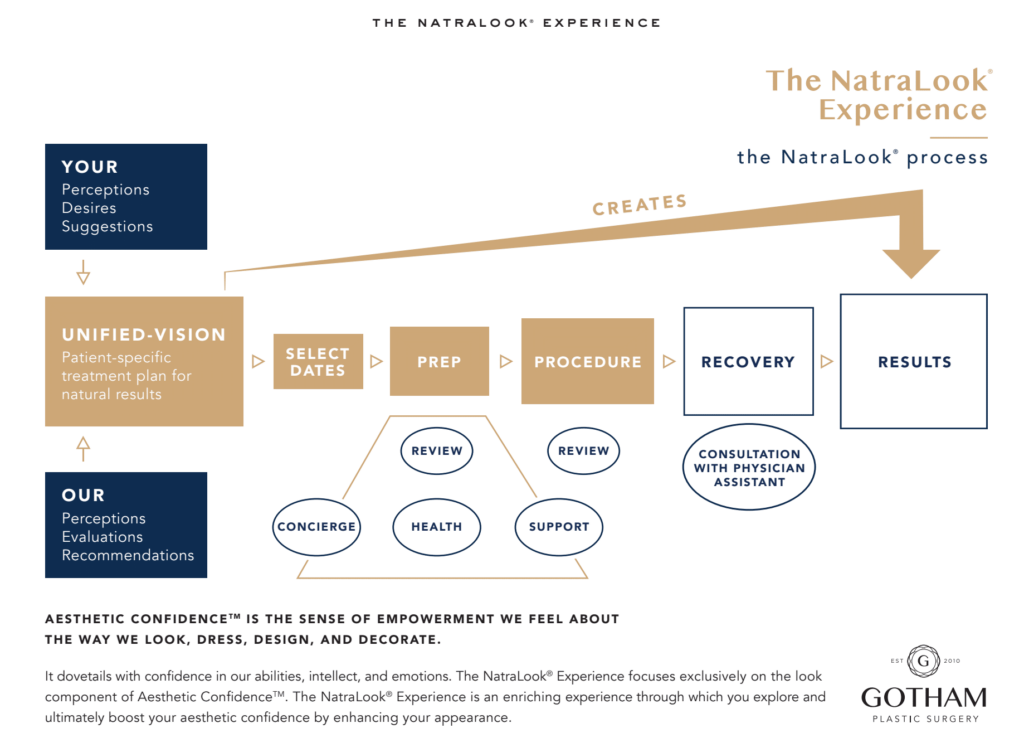
A question and answer session are also held. During this time, Dr. Miller patiently listens and thoroughly answers all questions and addresses any concerns.

Brow Lift FAQ
Q: Are there risks associated with a brow lift?
A: As with all surgical procedures, there are risks associated with a brow lift, including but not limited to the following: infection, bleeding, loss of hair, skin numbness and itching, and surgical anesthesia side effects. These risks will be explained by Dr. Miller at your initial consultation.
Q: Will I have a scar after my procedure? Will it be noticeable?
A: Scars always form after a surgical incision; however, the scar from a brow lift is generally unnoticeable because the incision is carefully placed and well concealed within the hairline.
Q: Can a brow lift be combined with other procedures?
A: A brow lift can, and very often is, performed in combination with any, all, or any combination of the following procedures:
- A facelift
- A neck lift
- An eyelid lift
The goal of combining procedures is to more thoroughly rejuvenate the facial appearance.
Q: How long does it take to see results?
A: Patients typically see maximum results approximately 6-8-weeks after surgery.
Q: Is it important to have my procedure performed by a specialist?
A: Because most facial specialists perform brow lift procedures on a routine basis, they typically are the most qualified surgeons to perform the procedure. Their expert training, knowledge, and skill set helps to provide patients with the best results.
Q: Are plastic surgeons the only physicians who can perform brow lifts?
A: Plastic surgeons are the only physicians who can perform brow lifts. When searching for a plastic surgeon, always look for one that is board certified.
Q: Does a brow lift make men look feminine?
A: The natural position of the male eyebrow is slightly lower than that of the female. Taking this into account, Dr. Miller takes special care to make his male patients look great without elevating the eyebrows too much.
Q: Are brow lifts performed to help patients with vision problems?
A: Patients, usually males, may develop blurry vision because of a sagging or drooping brow. When indicated, a brow lift may be performed to improve vision by raising the brow and opening the eyes.
Q: Does hair loss occur after a brow lift?
A: There is a small chance that hair loss may occur after a brow lift. In almost all cases, the positive outcomes of a brow lift far outweigh the chance that hair loss may occur.
Q: Will Dr. Miller take before and after photos?
A: Dr. Miller takes before and after photos so his patients can compare them and see their results.
Q: Can I see some before and after photos of some of Dr. Miller’s patients?
A: Yes, of course! Before and after photos are a great way to show you what you can expect after surgery. Dr. Miller has a long list of satisfied patients and will be able to show you which ones you most closely resemble to help you visualize your own potential results.
Q: Are there ways to maximize my results?
A: Healthy, non-smoking patients who take care of their skin and apply sunscreen typically see maximum results. Additional measures that may be taken include the following:
- Routinely exercising
- Eating a well-balanced diet
- Finding ways to reduce or eliminate stress
Getting an adequate amount of sleep is also recommended, as fatigue is one of the main reasons why wrinkles may redevelop.
Q: Will smoking affect my results?
A: Smoking negatively affects the body’s healing processes. Patients who want results are advised not to smoke after surgery.
Q: How do I determine if I am a candidate?
A: The best way to determine If you are a candidate is to schedule an initial consultation with Dr. Miller in New York. Your condition, medical history, and goals and expectations will be taken into account when determining if a brow lift is the right procedure for you.
Q: What should I bring to my initial consultation?
A: Before your initial consultation, you should have a clear idea of what your goals and expectations are. Some patients find it helpful to write them down and bring them with them. In addition, Dr. Miller encourages patients to bring the following:
- A list of all medications taken and a drug allergy list
- A list of questions for Dr. Miller
- A list of concerns
Patients who want to bring photos for comparison purposes may do so.
Q: How do I make an appointment?
A: Dr. Miller specializes in brow lifts and other facial plastic surgery procedures. When you are ready to make an appointment with him at his office in New York, NY, please call (646) 791-3025 or send us an email.
To learn more about a brow lift, visit med.stanford.edu
Next, read about Botox.
Dorsal (Nose) Hump
A dorsal hump is a projected bump on the nose caused by cartilage and bone irregularities. It appears on the slope of the nose from the bridge to the tip and is most noticeable when viewed from the side of the face.
A dorsal hump reduction rhinoplasty can correct a dorsal hump and give you an aesthetically pleasing and balanced profile.
Dorsal hump treatment options in New York
One non-surgical solution for dorsal hump removal is dermal fillers. When injected above and below the nasal hump, fillers can fill in gaps and round certain areas, reducing the hump’s pronounced appearance. This technique is also known as non-surgical or liquid rhinoplasty.
Those with small dorsal humps may begin with a non-surgical rhinoplasty to see how nose-reshaping procedures can change their appearance. Dermal filler results are reversible and temporary.
Removing a bump on the nose through surgery produces permanent results. Since it involves the removal and manipulation of cartilage, bone, and skin, rhinoplasty is the most effective way to remove a hump on the bridge of the nose.
Dorsal hump rhinoplasty in NYC
Dorsal hump rhinoplasty is a surgery that removes excess cartilage, bone, and skin from the nose, giving it a straighter, more streamlined look. The procedure can help enhance the appearance, create facial symmetry, and improve breathing through the nose by reducing nasal obstruction or deviation.
Rhinoplasty for dorsal humps can make the bridge of the nose narrower and straighter and is often performed on patients whose noses are too large for their facial features or who have noses with unusual shapes. Dorsal hump rhinoplasty is often performed on people with prominent noses, such as those of Italian or Greek heritage.
How does Dr. Miller correct a Dorsal hump?
Dr. Miller uses surgical and non-surgical techniques to correct dorsal humps in New York. These include:
Open Rhinoplasty – During an open rhinoplasty, Dr. Miller makes a small Z-shaped incision between the nostrils on the underside of the nose. The open approach enables him to make more precise and accurate adjustments to the nose’s shape. Although open rhinoplasty leaves a small scar, it fades quickly with proper care.
Closed Rhinoplasty – Closed rhinoplasty is a procedure in which Dr. Miller makes all incisions inside the nose. The primary disadvantage of this approach is that the bone, cartilage, and tissue are not visible, but this procedure results in less swelling than open rhinoplasty and can correct minor flaws.
MicroRhinoplasty – During a MicroRhinoplasty procedure, Dr. Miller accesses the treatment area via a small incision in the nostril. Using a specialized microrasp, he meticulously removes the protruding bony layers until the desired contour is achieved. Patients experience minimal discomfort, swelling, and bruising and typically resume normal activities within a few days.
Liquid Rhinoplasty – A liquid or non-surgical rhinoplasty uses dermal fillers to reshape the nose without stitches or incisions. While liquid filler can’t make a nose appear smaller, it can correct minor indentations or asymmetries without requiring surgical intervention.

Dorsal Hump Removal Before & After Photos


To see more rhinoplasty before and after photos, visit our gallery.
Dorsal hump FAQ
What is the cost for a dorsal hump rhinoplasty in New York?
Many factors contribute to dorsal hump rhinoplasty, including surgeon’s fees and experience, anesthesia, and your location.
Dr. Miller has a rhinoplasty cost-analysis guide for a complete overview of pricing in his Manhattan office.
What causes a dorsal hump?
The majority of nose humps are genetic. That means that if one of your parents or siblings have a prominent dorsal hump, you may have one as well. Dorsal humps may also occur due to a traumatic physical injury—such as a sports injury or car accident—if the bone or cartilage heals unevenly.
Medical conditions like bad allergies, polyps (painful growths), boils, and infections caused by bacteria and fungi in the hair follicles may also lead to humps on the nose or exacerbate a bump that is already present.
Can I get a revision rhinoplasty to address a dorsal hump?
Yes. Dorsal humps can be addressed after a prior rhinoplasty. Revision or secondary rhinoplasty is more complex than primary rhinoplasty and requires a skilled and experienced facial plastic surgeon for natural and desirable outcomes.
What is the recovery time after surgery?
Most patients are pleasantly surprised by how little pain they experience following nose bump removal. The most unpleasant aspect of postoperative recovery is difficulty breathing through the nose for several days because of swelling. This difficulty usually resolves within a week or two. Expect some swelling around your eyes as well. Once the swelling diminishes, you’ll start to see improvement.
You’ll need to follow certain precautions during your recovery period. Because bending or lifting can exacerbate swelling, resting for the first three weeks is recommended following surgery. Strenuous activities such as running, weightlifting, cycling, or cardio training can be resumed after three weeks in most cases. Contact sports should be avoided for at least six weeks to allow the bones to heal completely.
Schedule a Dorsal Hump Rhinoplasty Consultation in New York
Dr. Miller has over two decades of experience in facial plastic surgery and has performed over 5,000 successful procedures. With his skills and aesthetic eye, he can blend art and science to provide his patients with beautiful, natural-looking results.
Dr. Miller offers his patients the exclusive NatraLook process, which provides a safe, collaborative environment to help each patient achieve the Aesthetic Confidence® that they desire.
To learn more about dorsal hump rhinoplasty and other treatment options, contact our office to set up a consultation with Dr. Miller. You can fill out our convenient contact form or call us at our New York or New Orleans office.
Chin and Cheek Augmentation
A chin augmentation is a surgical procedure performed by New York surgeon Dr. Philip Miller that uses a pre-formed silicone implant to improve the overall facial appearance. Correcting a small or weak chin, a chin implant can benefit the proportion of the lower face and jaw; improving the look of all the features, such as the nose and cheeks. The aesthetic balance provided by a chin implant can provide dramatic results for patients frustrated with their appearance.
The ideal chin implant patient will be in overall good health, with realistic surgical expectations. Anyone, man or woman, dealing with an underdeveloped or weak chin, may find excellent results from the chin implant procedure.
Preparing for Chin Implant Surgery in NYC
To begin your chin implant journey, take some time to research the procedure and the recovery process online. If you are still interested, contact Dr. Miller’s office in New York City to arrange for a confidential consultation. At this time, he will review your medical history, perform a brief physical exam, and discuss your goals for the surgery. Dr. Miller will show you Before/After photos to assist in a visualization of potential results. Should a chin implant be the right procedure for your situation, an individualized surgical plan will be created.
What to Expect During a Chin Implant
The chin implant procedure will take approximately 30 minutes, performed under a local anesthetic. A small incision will be made along the crease below the chin, or inside the lower lip, through which Dr. Miller will place the chin implant. This will be anchored in place, and finally, sutures are placed.
The chin implant procedure can be combined with other cosmetic procedures for optimal results. These can include Botox Cosmetic, dermal fillers, and cheek implants. The procedure can also be easily combined with fat removal of the chin and neck – referred to a submental lipectomy.
Chin Augmentation FAQ
Q: What are the potential risks with a chin augmentation procedure?
A: Chin augmentation is considered a safe procedure. Patients rarely experience complications, but on the rare chance, they may include scarring, delayed wound healing, or permanent numbness. When patients choose an experienced, Board Certified cosmetic surgeon, like Dr. Miller, the chance for complication decreases farther.
Q: How long does the actual chin implant procedure take?
A: A chin implant surgery, performed by Dr. Miller, will take from 30 minutes to one hour to complete. Patients are able to return home about four hours after their procedure.
Q: Will my chin implant procedure leave scars?
If Chin Implant incision is made along the crease below the chin, a small, well-concealed scar may occur. When possible, the incision may be placed on the inside of the lower lip; this does not leave visible scars.
Q: Am I able to finance my chin implant procedure?
A: Yes, Dr. Miller accepts cash, major credit cards, and health care financing through Care Credit. Contact our office for more information.
To learn more about chin augmentation, visit med.stanford.edu
Cheek Implants New York City Overview
Facial features are meant to work in harmony with one other, creating an attractive appearance. When one feature is out of proportion with other areas, facial balance is lost. Small, or flat cheekbones will rob the face of a healthy contour, and cause other features, like the nose, to look overly large.
Cheek implants are designed to improve the look shape of the cheekbones, adding an appropriate proportion to the facial features. Dr. Miller utilizes a special medical-grade material, that both looks and feels like bone, to restore healthy contour to the cheeks. These come in a variety of shapes and sizes, easily tailored for each individual patient. By simply addressing the cheeks, all of the features can come together for an aesthetically pleasing look. A dramatic improvement can be seen in the appearance.

Who is a Candidate for Cheek Implants?
Patients in good health, with realistic surgical goals, can make an excellent candidate for a cheek implants procedure. Patients frustrated with flat cheekbones or disproportional features may find they benefit from this invasive surgery. A good augmentation patient may also have small cheekbones, lack of fullness in the cheeks, poor facial asymmetry, or the desire to permanently improve the harmony between all of their facial features.
Preparing for Cheek Implant Surgery in Manhattan
First, go online and research the cheek implant procedure. Understand how the procedure is performed and look over multiple Before/After photos. If cheek implants still seem right for you, schedule a consultation appointment with Dr. Miller. As a pioneer in the field of facial aesthetics, Dr. Miller uses his proprietary NatraLook® Process to ensure you achieve your desired results. The consultation appointment is a vital part of the surgical process. Dr. Miller will take this opportunity to review your medical history, perform a quick exam, and discuss goals for surgery. He will explain the procedure in detail, as well as what to expect from the recovery period. If cheek implants are right for your situation, a unique surgical plan will be developed with your goals in mind.
What to Expect for a Cheek Implant
The cheek implant procedure will take between one and two hours to complete, performed under general anesthesia. Dr. Miller will make a small incision on the inside of each cheek; from here the implant will be inserted. The implants are placed into a pocket, located within the targeted area of the cheek. Dr. Miller will safely secure the implants, so they will remain in place. The incisions are sutured closed, allowing for appropriate healing.
Cheek Implant FAQ
Q: What are the risks from a cheek implant procedure?
A: The cheek implant procedure is considered both safe and effective. Rarely do complications occur, but they do, can include scarring, infection, asymmetry, implant migration, and nerve injury. Patients should only see a board certified cosmetic surgeon, like Dr. Miller, for their Cheek Implant procedure. This will further reduce the risk for complications.
Q: What is the recovery period like after cheek implants?
A: The recovery time from cheek implants is approximately two weeks. Initially, patients may notice some bit of swelling and bruising along the cheek or under the eye. This will fade over the first week or two. Keeping your head elevated and applying cold compresses will help to alleviate swelling. Mild pain may be experienced, but Dr. Miller will prescribe appropriate medications to keep his patients healing comfortably at home. Dr. Miller utilizes dissolvable sutures, so these will not need to be removed, although a follow-up appointment will be scheduled. Patients are normally feeling well enough to return to work in a week, possibly sooner. Strenuous exercise, however, should be postponed for four to six weeks.
Q: When can I return to work after cheek implants?
A: Most patients feel well enough and are comfortable enough with their appearance, to return to work or school in three to five days.
Q: How should I prepare for my cheek implant procedure?
A: Do your homework. Understand the cheek implant procedure and recovery. If there are any questions remaining after the consultation appointment with Dr. Miller, contact our office in New York City immediately.
Q: How long is the cheek implant procedure?
A: The cheek implant procedure will take between one and two hours to complete, from start to finish.
To learn more about cheek augmentation, visit med.stanford.edu
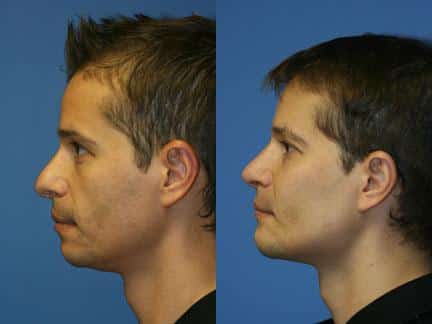
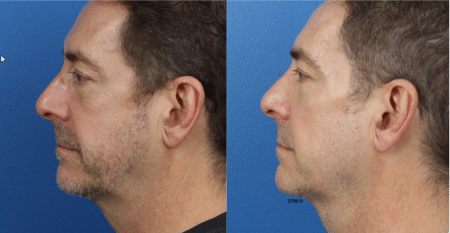
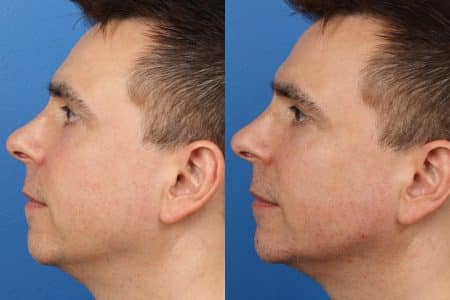
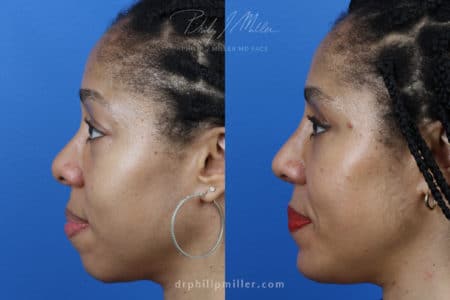
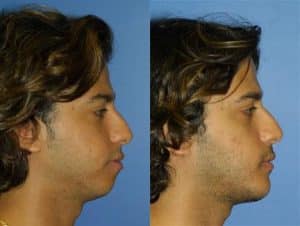
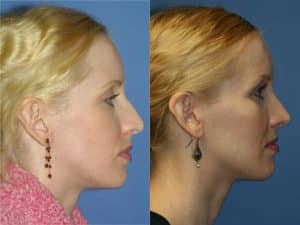
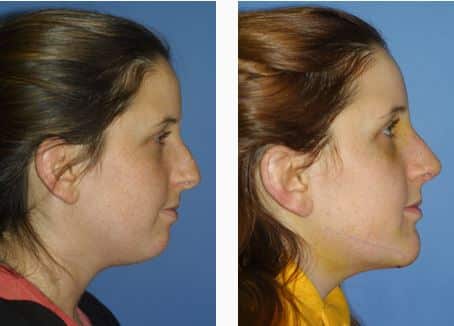
Cheek and Chin Implant Before and After Photos
Patient Testimonials
About NYC’s Facial Plastic Surgeon Philip Miller, MD, FACS
Facial plastic surgeon Dr. Philip Miller has over two decades of experience in cosmetic medicine, a high success rate of facial plastic surgery procedures, and has been voted among the Best Doctors in America for the past 10 years and Top Doctor of New York City. Dr. Miller is sought after for his innovative techniques in both rhinoplasty and revision rhinoplasty, which he has lectured and written textbook chapters on. Contact Dr. Miller’s Manhattan office to schedule a revision rhinoplasty consultation.
Next, learn about C02 laser resurfacing.
* Patient results may vary