BodyTite™
BodyTite™ is a minimally-invasive procedure in NYC which uses advanced radiofrequency-assisted liposuction (RFAL) technology to sculpt the body and reduce cellulite for a more toned, fit appearance. This revolutionary procedure is able to remove fat while also tightening the skin. It is ideal for treating stubborn problem areas that have proven resistant to diet and exercise, such as the “saddle bags” on women and “love handles” on men.
BodyTite™ can also provide a suitable alternative for some patients with excess sagging skin who do not want to undergo surgical excision. BodyTite™ is commonly used to treat areas of the face, including the chin and neck. It may also be used on areas of the body like the abdomen, buttocks, hips, knees, thighs and upper arms.
Dr. Philip Miller is a renowned New York plastic surgeon. He performs the BodyTite™ procedure under local anesthesia at his JCAHO-accredited, office-based surgery facility in New York City. During treatment, the special BodyTite™ handpiece is passed over the treatment area, emitting radiofrequency energy which melts away fat cells while heating the underlying tissues for a skin tightening effect. The handpiece is also designed to remove the liquefied fat, thereby making the treatment much quicker. The radiofrequency technology also spares the surrounding healthy tissue, resulting in less surgical trauma for an easier, quicker recovery.
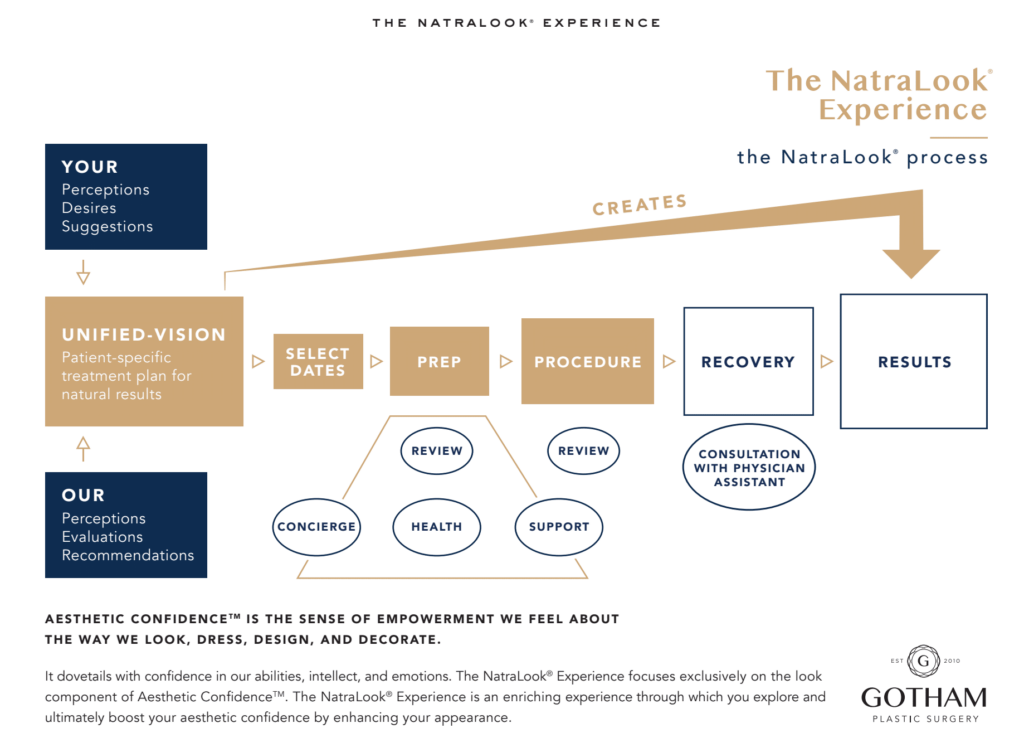
To ensure patients achieve their desired results, Dr. Miller incorporates the collaborative NatraLook® Experience into every consultation.
What is BodyTite™?
Compared to traditional liposuction techniques, BodyTite™ involves far fewer risks and produces superior results. It is a safer procedure and does not produce unwanted side effects like lumps, bumps or other irregularities that can result from traditional liposuction. BodyTite™ has been approved for use in Canada, Europe, Australia and parts of Asia and is pending FDA approval in the U.S.
Dr. Miller performs a variety of BodyTite™ procedures in his New York City office, including the following:
Face-Tite™
Face-Tite™ offers a revolutionary, minimally-invasive approach for lifting and tightening facial areas like the lower eyes, brow, cheek, neck, and jowls. This procedure applies the BodyTite™ technology to the face and neck using a specially designed handpiece.
Learn more about Face-Tite™.
Fractora™
Fractora™ laser resurfacing uses advanced fractional radiofrequency technology to restore a more youthful, radiant appearance. This technology ablates and resurfaces the skin, improving fine lines, deep wrinkles, poor texture, blood vessels, redness, brown spots and other pigment irregularities.
Learn more about Fractora™.
Fractora Firm™
Fractora Firm is an advanced skin rejuvenation treatment that uses thermal energy to heat deep beneath the skin, tightening the skin and promoting collagen production. This is a safe, non-invasive treatment that can be used in all areas of the face and body to improve loose or sagging skin for a firmer appearance.
Learn more about Fractora Firm™.
Neck-Tite™
Neck-Tite is an advanced minimally-invasive procedure which uses BodyTite™’s patented radiofrequency assisted lipolysis (RFAL) technology to rejuvenate the neck and jowls. Using a revolutionary handpiece, Neck-Tite™ combines radiofrequency energy with aspiration to remove excess fat and tighten and contour the neck area.
Learn more about Neck-Tite™.
Tite-FX™
Tite-FX represents the next generation of non-invasive lipolysis. Combining radiofrequency energy with vacuum, Tite-FX can effectively remove excess fat and shape and contour the body for a slimmer, more toned appearance. This procedure effectively reduces circumferential dimensions around the body and can even improve cellulite.
Learn more about Tite-FX™.
Please contact us at our New York City office for more information.
To learn more about liposuction procedures, visit medlineplus.gov
Tite-FX
Tite-FX represents the next generation of non-invasive lipolysis. Combining radiofrequency energy with vacuum, Tite-FX can effectively remove excess fat and shape and contour the body for a slimmer, more toned appearance. This procedure effectively reduces circumferential dimensions around the body and can even improve cellulite. While this is an excellent treatment for those seeking a less invasive alternative to traditional liposuction it can also be combined with liposuction for superior results.
Dr. Philip Miller is an expert plastic surgeon located in New York City. He performs the Tite-FX procedure at his JCAHO-accredited office-based facility. During treatment, the Tite-FX handpiece delivers targeted radiofrequency energy to the treatment area. This allows for precise, uniform treatment of problem areas but with built-in skin temperature feedback and cut-off controls that ensure maximum safety. Patients experience minimal discomfort, no downtime, and long-lasting results. Tite-FX has been approved for use in Canada, Europe, Australia and parts of Asia and is currently pending FDA-approval.
To learn more about Tite-FX or to schedule a consultation with Dr. Miller, contact us today.
Neck-Tite™
Neck-Tite™, offered in Dr. Philip Miller’s New York office is an advanced minimally-invasive procedure which uses BodyTite™’s patented radiofrequency assisted lipolysis (RFAL) technology to rejuvenate the neck and jowls. Using a revolutionary handpiece, Neck-Tite™ combines radiofrequency energy with aspiration to remove excess fat and tighten and contour the neck area. The result is a firmer, more youthful looking neck. This is an ideal procedure for those with loose or sagging neck skin, jowls or what many refer to as a “turkey neck.”
Dr. Philip Miller is a renowned facial plastic surgeon. He performs the Neck-Tite™ procedure in his JCAHO-accredited office-based facility in New York City. This is an ideal treatment for the neck and jowls, providing patients with a less invasive alternative to surgical procedures like the neck lift and facelift. At the same time, Neck-Tite™ provides greater improvement than liposuction alone, with superior contouring and skin tightening. Because small cannulas are used, there is little scarring as well as minimal downtime. Neck-Tite™ is currently pending FDA approval and has already been approved for use in Canada, Europe, Australia and parts of Asia. To learn more about Neck-Tite™, visit ncbi.nlm.nih.gov, or to schedule a consultation with Dr. Miller in his New York City office, contact us today at (646) 791-3025.
Before and After NeckTite
*Patient results can vary

Face-Tite™
For individuals who are seeking a non-surgical alternative for addressing loose skin or excess fat in the face, Face-Tite™ is the ideal solution. Face-Tite™ lifts and tightens facial areas using Body-Tite™’s patented radiofrequency assisted liposuction (RFAL) technology. Face-Tite™ can be used to tighten loose skin and contour areas like the lower eyes, brow, cheek, neck, and jowls for a smoother, more youthful look.
Face-Tite™ uses a revolutionary handpiece along with smaller cannulas which result in smaller incisions and minimal scarring. This is a much less invasive treatment than surgical options like the facelift, neck lift or browlift and involves much less discomfort and downtime. This is a very safe, effective procedure that has been approved for use in Canada, Europe, Australia and parts of Asia and is currently pending approval by the FDA. To learn more about Face-Tite™, visit ncbi.nlm.nih.gov, or to schedule a consultation with Dr. Miller in his New York City office, contact us today.
Laser Surgery
Dr. Miller is an expert in laser surgery in New York City. Lasers offer an advanced, minimally-invasive approach for improving many areas of the face and body. They can be used to sculpt the body, reduce cellulite, and rejuvenate the face and neck, making laser procedures an ideal alternative to more invasive surgeries like liposuction, facelift, and neck lift.
Face-Tite™
For individuals looking to rejuvenate the face without surgery, Face-Tite offers a revolutionary, minimally-invasive alternative. Using the BodyTite RFAL technology, Face-Tite™ can lift and tighten areas of the face, including the area under the eyes, brow, cheeks, neck, and jowls. The result is smoother, tighter, more youthful-looking skin.
Fractora™
Fractora™ is a skin rejuvenation technique that uses advanced fractional radiofrequency technology to ablate and resurface the skin. Fractora™ is effective in treating fine lines, deep wrinkles, blood vessels, poor texture, and pigment issues like brown spots and redness. Treatment can be performed in a variety of areas including the smile lines, upper and lower eyelids, cheeks, mouth, and neck. The result is more youthful, radiant-looking skin. Best of all, there is minimal discomfort, no downtime, and few side effects. To learn more about Fractora, visit ncbi.nlm.nih.gov
Fractora Firm, Fractora Plus
Fractora Firm is a safe, non-invasive skin tightening treatment. Thermal energy is used to heat deep beneath the skin, triggering collagen production while tightening and firming the skin. Fractora Firm can be used in all areas of the face and neck to tighten loose or sagging skin. Fractora Plus uses the same technology but utilizes a larger handpiece. This quick, easy treatment has little to no downtime and few side effects.
Neck-Tite™
Neck-Tite™ is an excellent, minimally-invasive technique for rejuvenating the neck and jowls. Using the BodyTite™ RFAL technology, Neck-Tite™ removes excess fat and tightens and contours the neck area. This is an ideal procedure for those looking to address jowls or the dreaded “turkey neck” and restore a firmer, more youthful appearance. Treatment is performed in the New York office setting and involves minimal downtime.
Tite-FX™
Tite-FX™ combines radiofrequency energy with vacuum technology to produce a slimmer, more toned appearance to the body. Tite-FX™ removes excess fat and shapes and contours the body. Patients can expect a reduction in circumferential dimensions around the body. Tite-FX™ is also effective in reducing cellulite. There is minimal discomfort, no downtime and results are long-lasting.
Tummy Tuck
Tummy tuck surgery, known technically as abdominoplasty, is a procedure designed to minimize the appearance of a protruding abdomen. This procedure involves the removal of excess skin and fat from the middle and lower abdomen. In addition, weakened muscles of the abdominal wall are often tightened as well.
Though sometimes combined with liposuction in order to provide improved contour and smoother edges, this procedure does differ from liposuction. The tummy tuck procedure deals with the removal of both fat and excess skin, whereas liposuction mostly addresses localized areas of fat. A mini-abdominoplasty can be performed on patients in our Manhattan, New York surgical suite with only localized fullness of the lower abdomen, typically resulting in decreased scarring and shorter surgery and recovery times.
Who is a Tummy Tuck Candidate?

Before and after of tummy tuck surgery to eliminate fat and contour the abdomen region
The best candidate is a person with a large fat deposit or loose abdominal skin that does not respond to exercise and diet. Patients should otherwise be in relatively good shape, physically healthy and psychologically stable. It’s also important that patients have realistic expectations of what the procedure can offer. Tummy tuck surgery can be particularly effective when performed on patients following pregnancy or significant weight loss or on patients with weakened abdominal muscles or older patients with decreased skin elasticity. Patients anticipating future pregnancy or weight loss may want to wait until afterward for their tummy tuck surgery.
*Each patient is unique and individual results may vary.
Tummy tuck surgery can successfully improve the appearance of the abdomen and, like many cosmetic procedures, it may improve one’s self-confidence as well. Though the procedure performed at our New York City office can effectively remove stretch marks from the lower area of the abdomen, it may not remove all stretch marks. Further, tummy tuck surgery may not remove all skin folds or reduce the appearance of ‘love handles’ on the lower back, and it will leave a significant scar that extends from hipbone to hipbone just above the pubic area.
To learn more about the tummy tuck, visit betterhealth.vic.gov.au
Revision Tummy Tuck
The tummy tuck is a surgical procedure offered at our New York City office designed to flatten and shape the abdomen and waist by tightening the underlying muscles and removing excess fat and skin. The goal is to create a firmer, flatter, more pleasing abdominal appearance. Unfortunately, this goal is not always achieved. Whether due to improper technique, a surgeon’s lack of experience or complications with healing, some patients are left with poor results, leaving them frustrated and dissatisfied.
Fortunately, the revision tummy tuck can help. For many patients who have had tummy tuck surgery elsewhere and are unhappy with their results, significant improvement can be made with revision surgery.
Revision Tummy Tuck Common Concerns
Some of the more common concerns addressed during surgery include the following:
- Loose skin. Some patients are left with significant loose skin of the abdomen. In particular, this can occur in individuals who were improperly selected as candidates for liposuction when they would have been better suited with a tummy tuck. Liposuction removes excess fat and only, whereas tummy tuck surgery is needed to address excess skin and loosened abdominal muscles.
- Dog ears. Sometimes, excessive redundant skin is left at the ends of the incision, resulting in what many refer to as “dog ears” or skin pleating.
- Residual bulge. Some tummy tuck patients are left with a remaining bulge, often due to insufficient repair of the underlying muscle wall. This may occur in cases where a mini tummy tuck is performed when the patient was a better candidate for a full tummy tuck.
- Step-off. Sometimes, an unnatural-looking “step-off” occurs at the incision line when there is an uneven amount of tissue above and below the incision.
- Contour irregularities. Contour irregularities such as lumps, bumps, and depressions may occur after either tummy tuck or liposuction.
- Belly button deformity. Deformities of the belly button can occur for a number of reasons. The belly button can look unnatural if attempts are made to use the navel as a removal point for loose skin. Other patients may be left with a belly button that is too high, a nearly absent belly button, or an innie belly button may be converted to an outie.
- Excess or unsatisfactory scars. Poor scarring can occur as a result of improper surgical technical or complications with healing. While scars cannot be completely erased, they can often be vastly improved through various methods
- Weight fluctuations and pregnancy. Previously satisfactory results can become unsatisfactory following weight fluctuations and pregnancy. In many cases, revision surgery can improve these changes.
Revision tummy tuck surgery may involve additional tightening of the underlying muscles as well as the removal of excess skin and fat to restore more ideal contour lines to the abdomen. Liposuction is often used at the same time. In most cases, significant improvement can be made and patients can expect very natural-looking and pleasing tummy tuck results. This is a very gratifying procedure for many patients, providing them with the results they had initially longed for. While evaluation can be performed at any time, surgery is often postponed until six months or longer after the initial tummy tuck.
Prevention is always the best course of action. Whether you’re seeking tummy tuck surgery for the first time around or to revise previous poor results, make sure that you find a highly qualified and experienced plastic surgeon in NYC and that you carefully follow his instructions before and after surgery. This will help to ensure that you receive the best possible outcome.
Liposuction
Liposuction, otherwise known as lipoplasty and suction lipectomy, is an invasive procedure aimed to enhance the body shape by eradicating undesirable fat accumulations from particular areas of the body. Liposuction candidates are individuals who are physically fit and of average weight, but with parts of additional fat that are resilient to steady diet and exercise. Patients must likewise be mentally stable and possess sensible hopes of what the procedure can provide.
The best candidate for liposuction is a person who is physically healthy and of normal weight but with areas of excess fat that are resistant to regular diet and exercise. Patients should also be psychologically stable and have realistic expectations of what the procedure can offer. Patients with firm, elastic skin tend to achieve the best results, while older patients with diminished skin elasticity may not achieve the same results as a younger patient.
The Liposuction Procedure
Liposuction eliminates fat from your body using suction. In this technique, little, thin, blunt-tipped tubes (cannula) are put in through minute incisions. Our plastic surgeons shift these tubes beneath your skin to pursue fat deposits and then draws them out. All procedures are performed at his New York City surgical suite.
There are assortments of methods that assist in this procedure:
- Tumescent refers to a “wetting solution” with a local anesthetic that is inoculated prior to surgery, causing blood vessels to tighten. This permits the procedure to be completed under local anesthesia, reduces blood loss, and decreases post-surgical discomfort and bleeding.
- Suction-assisted is the most customary method and pulls out fat using a vacuum.
- Power-assisted is much like suction-assisted, except for an instrument that amplifies the movement of the cannula, accelerating fat elimination.
- Ultrasound-assisted transfers energy through a particular handpiece that aids in relaxing and melting fat, allowing a larger amount of fat to be eradicated. This is best for bigger regions, compressed fat, and male patients.
- VASER, a variant of ultrasound-assisted, is an ultrasonic cannula with numerous indentations that equally diffuse the energy, enhancing fat interference and eradication.
- Laser-assisted is a moderately new technology. The concept is that the laser will function like the ultrasound to unsettle the fat cells and make fat deduction more effective and less painful.
Your doctor will plan treatment regions and a cannula is put in via a minute cut. The fat is then removed using one of the methods above.
The Recovery Process
Throughout your liposuction recovery, a compression garment or flexible bandages might envelop treatment regions when your procedure is finished. These aid in restraining inflammation and constrict the skin to your new body silhouettes.
Furthermore, small short-term drains might be positioned in present cuts under the skin to take away any additional blood or fluid.
You will be provided detailed orders that might include:
- How to treat the surgical site and drains.
- Medications to use or take orally to assist recovery and decrease the potential for contamination.
- Detailed matters to search for at the surgical site or in your overall well-being.
To learn more about the liposuction procedure, visit medlineplus.gov
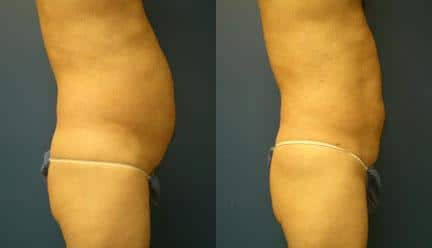
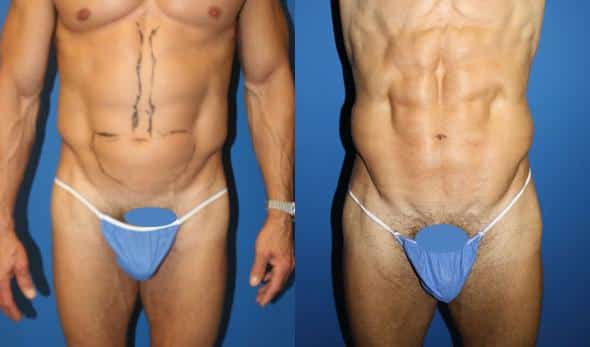
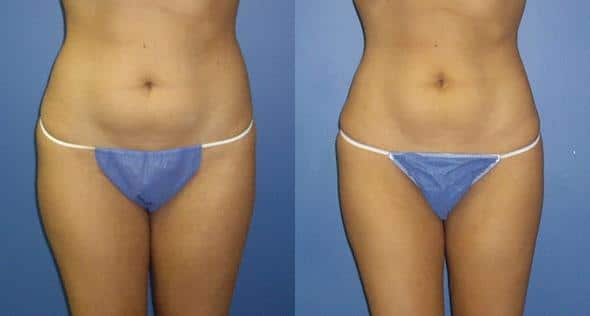
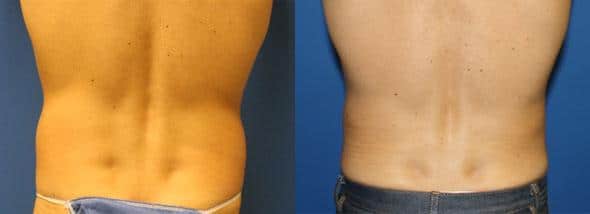
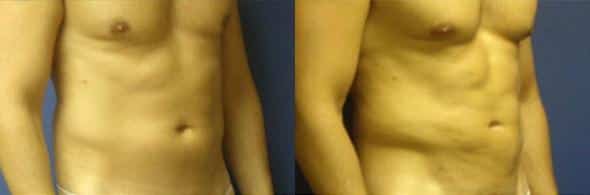
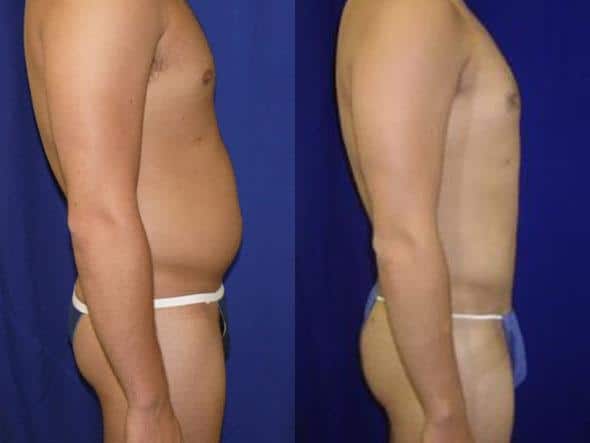
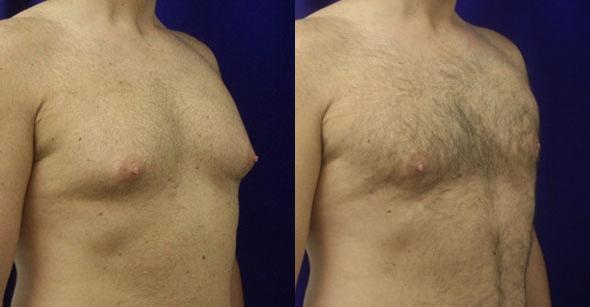
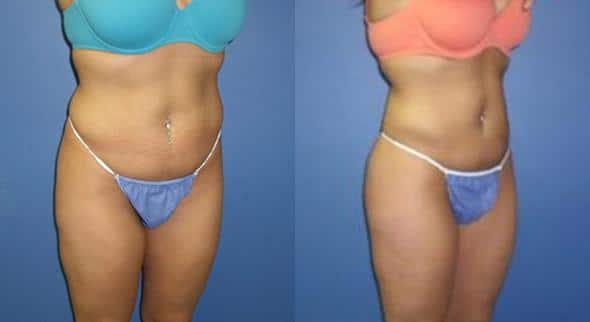
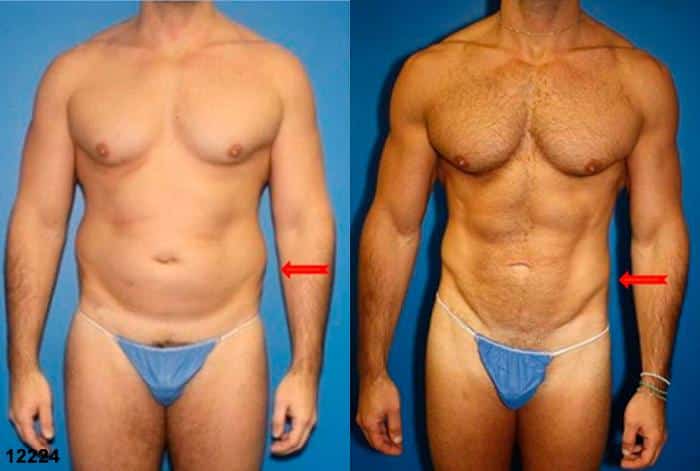
Liposuction Before and After Photos
*Individual patient results can vary
The Liposuction Consultation
For those considering a liposuction procedure, the route starts with arranging a consultation. Throughout your consultation, your whole body will be evaluated. Centered on the doctor’s discoveries and your individual wishes, it can be decided if lipoplasty only or in combination with additional procedures will best aid you in attaining your ambitions.
Lipoplasty is often done together with other plastic surgery procedures, for example, a facelift, breast reduction or augmentation, or a tummy tuck, to attain better outcomes.
Though the initial appointment for liposuction in New York will be a suitable time for you to obtain significant facts regarding the procedure and what to anticipate, it’s likewise beneficial to ask questions.
Liposuction FAQ
How often do you do liposuction surgery?
As it is the most popular procedure across the globe, it’s safe to presume that most plastic surgeons have a lot of know-how in completing this procedure. In fact, this might not always be true.
Make sure to ask your doctor detailed questions about what you should anticipate throughout your specific recovery time, such as:
- What medication will I be presented with or prescribed after surgery?
- How long will I put on the compression garment?
- When can I return to my usual activities and exercise?
Next, read revision tummy tuck.
Breast Reduction
Women think about their breast size daily, whether too big or too small. For those who have a generous breast size, it can be a blessing. But, many women who have large breasts can consider them to be too large and look for answers. For thousands of women, breast reduction surgery can be a blessing.
Breast reduction surgery, known as reduction mammoplasty, involves the removal of the unnecessary overabundance of glandular tissue and skin. Patients are able to live life with comfortable, lighter breasts that appear firmer and lighter. Our plastic surgeons expertly size the breasts to be proportionate with the patient’s entire body.
For many, breasts that are too large, not well supported and sagging cause not only physical problems, but mental anguish. Large breasts are attractive, but breasts that are too large for a woman’s body can cause health problems ranging from severe back problems to permanent indentations in the shoulders from lingerie that is unable to support the weight.
When a woman’s breasts are so large that they draw attention, they begin to suffer from loss of self-esteem and an overall sense of awareness that they are being looked at. This surgery is becoming a common option for many women that can make positive changes in every aspect of their lives.
Breast Reduction Consultation

During your initial consultation, the plastic surgeon in NYC who will be performing the procedure, you can ask questions and vice versa. Be prepared when you arrive with any questions about his credentials, about the procedure and about what to expect during and after the surgery. Our plastic surgeons will conduct an initial exam and then he will be better able to answer questions about what you can expect from the procedure. The doctor will be able to show you photographs of before and after to give you a better idea of what to expect. When you arrive prepared with questions and information, this will ensure that you have thought well about the change and are not only informed, but prepared.
*Each patient is unique and individual results may vary.
The Surgery
Because the removal of glandular tissue from the breasts involves the glands of the breast, our doctors are meticulous about the details of the surgery. The typical reduction surgery will last between two and five hours. There are many techniques for performing this surgery, but the most common one involves an incision that encircles the areola of the breast, extends below the breast and then horizontally along the crease beneath the patient’s breast.
In some less extensive cases, there are not as many incisions, but it varies from patient to patient and involves the patient’s requests and the doctor’s expert advice. Any extra skin and glandular tissue are removed through the incisions. In some cases, when breasts are extremely large and have been misplaced for a long period of time, the nipple is misplaced, so your doctor will remove the nipple and place it in a more appropriate higher area on the breast.
If this occurs, the patient will lose sensation in the nipple of the breast, but the visual appearance of the breast will be normal.
The Recovery
Depending on the patient and the extent of the surgery, some patients go home the same day. Others remain in the hospital overnight so they can be monitored. After surgery, breasts are wrapped with bandages and a surgical bra. Regular gauze is used for the first few days and, depending on the extent of glandular tissue removed, there may be a drainage tube inserted that will expel excess blood and fluids, a common occurrence. Patients usually experience mild to moderate pain after this surgery and the breasts will obviously be sore for several weeks.
The discomfort is usually tolerable with little physical exertion and patients experience immediate relief that their breasts are reduced. Most return to work in one to three weeks with no physical exertion until at least six weeks after surgery. Stitches are removed anywhere from seven to ten days after surgery. Most healing, including bruising, swelling and soreness will be gone within six months and the scars may take one to two years to fade.
Other Options
When having the breasts reduced, a patient may also opt to have the breasts lifted at the same time. Or, a less invasive surgery for patients who don’t have extremely large breasts is liposuction. Liposuction involves small incisions, much less healing time and can be performed relatively simply. Liposuction is a procedure involving removal of excess fat and glandular tissue with a small, straw-sized tube, performed under general anesthesia. A simple surgery such as this result in dramatic overall effects. Consulting about all options or visiting medlineplus.gov will allow the patient to leave feeling confident and informed of your decision.
The Ideal Candidate for Breast Reduction Surgery
A woman who suffers from macromastia, the medical term for oversized breasts in proportion to the body, can experience chronic head, neck, shoulder and back pain. Some patients have oversized breasts which are significant enough that the patient can suffer from secondary symptoms such as impaired blood circulation, difficulty breathing, skin problems around the breasts such as chaffing and rashes, indentations to the shoulders from improperly fitting lingerie and an overall sense of self-consciousness that pervades daily life.
Breast Reduction FAQ
Q. Will I be able to breastfeed after surgery?
A. Many women go on to live perfectly normal lives, including the ability to breastfeed, after breast reduction surgery. If the nipple and areola are still intact, the chances that you’ll be able to nurse are very good. For extreme cases where the nipple was completely removed and repositioned, nerve and duct damage may take a while to heal and redevelop. The nerve sensations are the most significant factor in breastfeeding; they trigger the release of necessary hormones such as prolactin and oxytocin which affect the production of breast milk.
Discuss this with your doctor prior to the surgery.
Q. When will I be able to experience the results of the surgery?
A. You will experience immediate relief from the weight of over-enlarged breasts. You will feel
relief on your back, neck and in your posture. Post-op healing will be the only distraction.
Q. What can I expect to feel post-operation?
A. After about a week to ten days, swelling and bruising will begin to subside. Doctors suggest a variety of healing techniques, including topical ointments, ingestion of a supplement called bromelain, and even drinking pineapple juice as soon as three days after surgery. All of these have been shown to increase healing and a decrease in most post-op symptoms. If you are experiencing pain beyond what you can tolerate, even after you have taken your pain medication, don’t hesitate to call your doctor’s office.
Q. What are the advantages of liposuction over mammoplasty?
A. Depending on the patient, there are many advantages of liposuction, if it is an alternative. It is less expensive, less painful, and involves less recovery time. It is less invasive and involves only a few small incisions, allowing the patient to return to normal activity much faster. However, this is also a decision to discuss with your surgeon. For some women, enlarged breasts are such an invasion of their ability to function daily that liposuction would not make enough of an improvement to actually make the patient well.
Next, read about breast augmentation.
Breast Augmentation
There are many reasons, both medical and otherwise, for a patient to seek breast augmentation. Those who are living with frustrating conditions like asymmetry or tubular breasts, as well as those who have gone through a mastectomy, will consider augmentation for obvious corrective reasons, but the fundamental reason for most women is just to bring their body more in line with their own personal ideal. Appearances are very important both socially and in terms of self-image, and augmentation can be a great tool to achieve a sexier, more feminine appearance.
With modern techniques, the old stereotype about the “bolted-on” look no longer applies. Breast implants can look perfectly natural when done by a good surgeon who knows correct sizing and placement, and fortunately, here in New York City we have some of the finest cosmetic surgeons in the world.
Breast Augmentation Consultation in New York
During your initial consultation, you’ll sit down with our plastic surgeons and discuss what you want to achieve with the augmentation and how best to do that. He will explain the sizes and types of implants and help you to choose what will work best for you as well as discussing where and how to place the implants.

Before and after of breast augmentation surgery to enlarge the breasts * Patient results may vary
In addition, you’ll discuss the steps you can take to minimize the risks of surgery, like getting a full medical screening from your regular doctor and stopping smoking for a few weeks to decrease the risk of complications like blood clotting and infection. Practical matters like recovery time will be included in the conversation, too.
Breast Implant Sizes
Despite the stereotype that women with breast implants are cartoonishly top-heavy, there is a wide range of size options available. You can certainly go for extremely busty if that’s the look you’re after, but most women choose something a little more moderate.
The simplest way to select the correct size of implant for your needs is to place various sizes in your bra and look carefully at how you look in a well-fitted shirt. Our doctors also suggests taking pictures of how various sizes look on your frame. Looking at a photo instead of a mirror offers a little psychological distance, which can make it easier to see things objectively. It also gives a good point of reference for your pre-surgery discussions.
Try to find a good middle ground in terms of size. Very large implants will look unnatural, assuming that’s something you’re worried about, and they can cause problems with finding clothes that fit. Larger implants also have a higher risk of complications. On the other hand, if you go with something too small, you might remain dissatisfied and end up back for another augmentation in a year or two, so choose carefully.
Breast Implant Options
There are two options for the contents of your implants: Silicone and saline. They differ in feel, price, and the ability to detect rupture.
Silicone Implants
Silicone implants have a bad rap because of safety problems with their earlier form, but they’ve been safely back on the market since 2006 and are becoming increasingly popular. Learn more about the safety of breast silicone implants at fda.gov. They come pre-filled with silicone gel and are lighter and longer-lasting than saline implants. Silicone feels more natural and is less likely to ripple, so they are often recommended for extremely thin patients or patients with very little natural breast tissue to mask the implant. On the negative side, rupture is harder to detect with silicone, sometimes requiring an MRI.
Saline Implants
Unlike silicone implants, saline implants are placed empty and then filled with a saline solution. Since they’re placed empty, they don’t need as big an incision as silicone, and they’re more adjustable, so size can be increased or decreased as needed during surgery. The edges of the implant are more detectable than a silicone implant, but when placed behind the muscle in a woman with sufficient breast tissue, they will feel extremely natural.
In addition to the different types of implants, there are also two main choices for placement: Above or below the muscle. While recovery is less painful if you place the implant above the muscle, our surgeons prefers to go under the muscle because it feels more natural, is less likely to interfere with mammograms, and has a greatly reduced chance of rippling.
The final option is scar placement. The most common method is called inframammary and places the scar in the fold under the breast, leaving a small scar just an inch or two long. Since it’s under the breasts, it’s well-hidden even without clothes or in a bathing suit, and it offers good access for any necessary repositioning and shaping.
Peri-areolar placement, which goes under the nipple between the areola and the breast skin, is also common but becoming less popular. While the scar typically heals well, it’s in a conspicuous location, and since it requires cutting near the nipple and through a lot of breast tissue, there is a higher risk of affecting lactation and nipple sensitivity.
Underarm placement is a relatively new option that is increasingly popular. It leaves a very small scar in the underarm that can just look like a skin crease, and since it doesn’t require cutting through breast tissue or milk ducts, it has a very low chance of interfering with breastfeeding or mammograms. It can only be done with a saline implant, however, since it uses a very small incision, and any follow-up surgeries require a different approach because of the placement.
Finally, a belly-button approach gaining popularity because it supposedly reduces scarring, but it’s fairly risky because it involves cutting through both muscle and breast tissue. It also requires pushing implants through a tube that could damage them, and it does still leave a small scar about a centimeter long.
Possible Risks or Complications of Breast Implants
Breast augmentation poses some of the same risks as any surgery: Bleeding and infection. These can be mitigated by cutting as minimally as possible, using a tumescent solution to reduce bleeding, and using antibiotics to prevent infection.
The most common of the augmentation-specific complications is capsular contracture, a hardening of the scar around the implant, which can cause pain or unnatural-looking implants. It’s generally caused by bleeding or infection, so precautions against those will guard against capsular contracture as well. There is also a chance of rippling, which can be visible or just noticeable to the touch.
This is best avoided by covering as much of the implant as possible with breast tissue or muscle. Finally, there is a chance of rupture because the lifespan of any implant is limited. Good follow-up care and quality implants can extend lifespan, but a ruptured implant will need to be removed and replaced.
Breast Augmentation FAQ
Q. Do I need implants if I just want to correct sagging?
A. While combining augmentation with a lift is popular, it is generally not necessary. For women that desire more fullness, adding implants at the same time is a great option.
Q. How long will the recovery be?
A. While most women go home a few hours after the surgery, you will need to use gauze dressings and a gentle support bra for a few days to keep everything comfortable and reduce swelling. Most women experience 1-2 days of intense recovery, followed by a few days of reduced activity and several weeks of soreness and swelling before everything feels normal again.
Q. Will I be able to breastfeed?
A. Lactation is generally not affected since dissection isn’t done in the same place that milk is produced. While you should definitely discuss this with your surgeon, generally the best bet is to go with an underarm or inframammary approach so as to disturb the nipple and milk ducts as little as possible.
Q. Will I lose sensation in my nipples?
A. The changes in nipple sensation such as numbness or hypersensitivity are among many women’s top concerns about augmentations, but these changes occur almost exclusively with the peri-areolar approach. Discuss your concerns with your surgeon, but as long as you choose a different approach, you should experience no change in sensitivity.
Q. How do you correct asymmetrical breasts?
A. Asymmetry is faced by a surprising number of women, and it can be easily fixed during an augmentation. The normal procedure is to fill one implant more than the other to correct the asymmetry, but it’s also possible to augment one while simply lifting the other or even to perform an augmentation on one side and a reduction on the other. Learn more about Breast Reduction procedures.
Feel free contact our office in New York City for a consultation today.