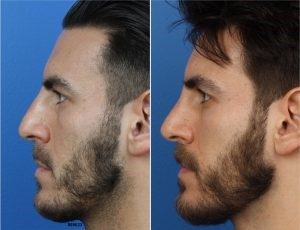
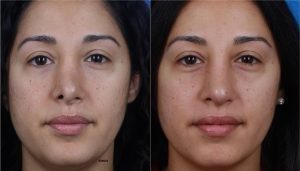
If you are uncomfortable with the size or shape of your nose, you’re in good company. Rhinoplasty is the most popular procedure performed each year. With the right doctor, rhinoplasty can yield great results for patients in NYC. We recommend these 7 rhinoplasty preparation tips to achieve the best possible results. (more…)
Steady, confident eye contact is essential to conveying both your strength and your openness to friendship, trust, and intimacy. But what if you’re not confident about your eyes themselves — because you think your eyes make you look old and tired?
Phillip J. Miller, MD, FACS, is an artist-trained, double-board certified facial plastic surgeon who knows that the benefits of looking your best go far beyond the superficial. If you feel that your eyes are showing more age than you feel, he has a number of effective surgical and nonsurgical therapies to bring the twinkle back to your confident gaze, at his convenient New York City medical center.
Reduce Squinting
There’s a reason why Botox® has been part of expert facial plastic surgeons’ toolboxes for more than 30 years. With just a few pricks of a needle, Dr. Miller delivers the neuromodulator to your forehead or around your eyes to stop your muscles from making expressions that wrinkle your skin. Within days to two weeks after receiving Botox, you’ll have a smoother, more youthful brow, and your crow’s feet will disappear. Botox allows you to make natural expressions, but you won’t be able to squint hard or frown enough to cause wrinkles again. Botox lasts from 3-4 months.
Address Eye Hollows
Even if you’re young, you may have deep, dark hollows under your eyes that make you look years to decades older. Sometimes hollows are just a sign that you need more sleep. Sometimes they’re due to your genetics. Most often, they’re caused by loss of youthful collagen and fat in your skin.
When you come for a consultation, Dr. Miller and his team analyze your tear troughs to determine the best way to remove your under-eye circles. If you’ve lost fat and collagen in your tear-trough area, Dr. Miller quickly remedies your problem with a soft, thin, hyaluronic-acid (HA) based, injectable dermal filler, such as Juvéderm Volbella or Restylane Silk. These fillers plump up your tear troughs so that your skin is smooth, silky, and even with your cheekbones again. He injects the HA filler deeply into your skin, avoiding the bluish “Tyndall effect” that inexperienced injectors sometimes cause. Well-performed HA rejuvenations under your eyes can last from 6 months to a year.
If your skin is naturally darkened under your eyes due to genetics, filling in your tear troughs may not be sufficient to make your eyes look clear, smooth and youthful. He may recommend laser therapy or other treatments to improve the quality of and lighten the skin underneath your eyes.
Lift Your Brow
Sagging brows and eyelids are almost always due to aging, and that’s how people read them when they look at you. Even if you’re full of energy and raring to go, droopy eyelids make you appear like you need a nap. Depending on how severe your sagging lids and brow are, Dr. Miller may recommend nonsurgical or surgical remedies.
If you’re in the early stages of sagging, Dr. Miller can build up your brow bone with Juvéderm, smoothing out wrinkles and pulling your eyebrows and upper lids subtly but effectively higher.He might also enhance the effect by using Botox to relax the muscles that pull your brows downward. You’ll look naturally more alert and rested with nothing more than a few injections. Dermal fillers last up to a year. Botox should be repeated every 3-4 months.
If these remedies — either singly or in combination — aren’t enough in your case, Dr. Miller may recommend a surgical brow lift. He removes and tightens weak eyelid and forehead muscles, repositions and tightens skin, and trims away the excess. He hides the incisions in your hairline so that they can’t be seen when they heal.
Dr. Miller is an expert in the anatomical differences between male and female hairlines and brows. He ensures that your hairline isn’t too high and that your brows look youthful but completely natural, too.
Open The Eyelids
When dermal fillers aren’t enough to smooth your under-eye bags, or if you also have drooping upper eyelids, Dr. Miller may recommend a surgical eyelift. With upper blepharoplasty, Dr. Miller tightens the muscle on your upper lid, then repositions and tightens the skin, trimming away the excess. He hides the incision in the crease of your eye so that the scar becomes nearly invisible.
If you need lower blepharoplasty, Dr. Miller removes just enough excess fat from your eye bags to make your tear troughs look more youthful, then tightens the underlying muscle, tightens the skin, and trims away the excess. Most of the time, he can hide the incision on the inside of your lower lid, so the scar can’t be seen. To learn more about surgical eyelifts, visit ncbi.nlm.nih.gov
Remodel your temples
The facial volume you lose in your temple area can make your eyes look older. If you’ve noticed that the side of your face has indents between your forehead and the top of your cheekbones, you’ve lost youth-giving fat and collagen in your temples. Dr. Miller restores the youthful contours of your face with Juvéderm.
Refresh Your Eyes At Our New York Surgical Center Today
To restore youth and confidence to your eyes and convey the vitality you feel, contact Dr. Miller today for an eyelid anti aging consultation. Book your consultation online.
Social media is a very visual medium –it’s a virtual place to see and be seen. Therefore, it’s no surprise how daily postings can somehow fuel our vanity or our quest for having the perfect selfie. Did you know that selfies can make your nose look about 30% larger? It’s because of how the camera on the phone distorts objects up close. Due to this, some people are convinced that no photo-editing app is good enough to make themselves and their noses look flawless and that undergoing plastic surgery is the only key to achieving social media-approved beauty. This has led to a meteoric rise in the popularity of rhinoplasty, also known as a “nose job.”
Despite the apparent popularity of rhinoplasties, you should have a keen awareness that not just any surgeon is right for the job. One of the most crucial steps in guaranteeing a satisfactory nose procedure outcome is choosing the right surgeon. Rhinoplasty is one of the most challenging cosmetic procedures to perform, so you should only trust a surgeon with rhinoplasty expertise, experience, and skill. A great surgeon is also a good listener, a compassionate and patient caregiver, and an effective communicator.
For patients in New York City who seek a nose job with reasonable expectations and their desire comes from a “healthy place”—perhaps, to improve self-esteem or to correct a functional issue – facial plastic surgeon Dr. Philip Miller will combine his expertise and skill with his artistic eye to produce impeccable results that are life-changing.
Surgical And Non-Surgical Rhinoplasty Options
Your nose is one of the most prominent features of the face as it brings balance to your facial profile. That’s why it’s often the first thing people notice on your face. If you feel that your nose detracts from your whole face, diminishing the beauty of your eyes or other facial features, and more importantly, if you have trouble breathing, you may be a candidate for a rhinoplasty.
Voted among the Best Doctors in America and Top Doctor of New York since 2007, Dr. Miller has lectured on cutting edge rhinoplasty techniques, including his innovative NatraNose procedure, and even written chapters for rhinoplasty and neck rejuvenation textbooks. He can provide custom cosmetic treatment plans that include a combination of advanced procedures and minimally-invasive techniques to help you achieve your desired results.
Which Nasal Procedure Is Right For You?
Nose shaping was the third most popular cosmetic surgical procedure performed in 2018 according to the American Society of Plastic Surgeons report, so it is important to know the facts of what rhinoplasty means and the process behind the types of procedures. Each procedure will have its own set of advantages. While a non-surgical nose job will involve no pain, no recovery time, no scarring, and will cost less than a traditional rhinoplasty, it cannot address all nasal issues. A non-surgical rhinoplasty utilizes injectables, and injectables can only be used for augmentation and not a reduction. For larger cosmetic nose concerns, surgical rhinoplasty is still the best long-term solution.
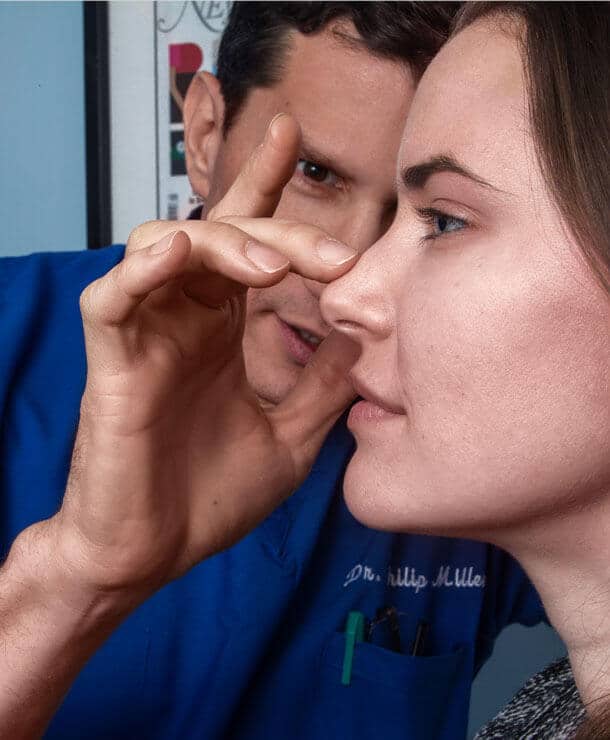
As a leading rhinoplasty surgeon who has devoted most of his career to the human nose, Dr. Miller can help recommend the best approach to achieve your aesthetic goals. He can even use virtual rhinoplasty to help you visualize nose job results from the comfort of his office. Virtual Rhinoplasty uses the latest in technology and computer imaging to provide patients with the ability to see what the results will look like even before undergoing any procedure. This gives you the opportunity to explore how different changes to your nose will impact the final results.
One major benefit of this technology is that it provides a visual tool for communication between surgeon and patient. This will help Dr. Miller understand your nose job goals as well as make the necessary recommendations that will ensure that both of you are on the same page before any procedure begins.
Rhinoplasty
A rhinoplasty can change the shape of your entire nose or just a small portion of it with the goal of making it fit more harmoniously with the rest of the face. These are the specific changes often requested during a nose job:
Improve the crooked appearance of the nose to achieve symmetry
Remove a bump or hump in the nose
Reduce the size of the nose
Increase the size of the nose
Reshape the nose
Narrow or refine the nasal tip
Alter the tip projection
Reduce Wide Nostrils
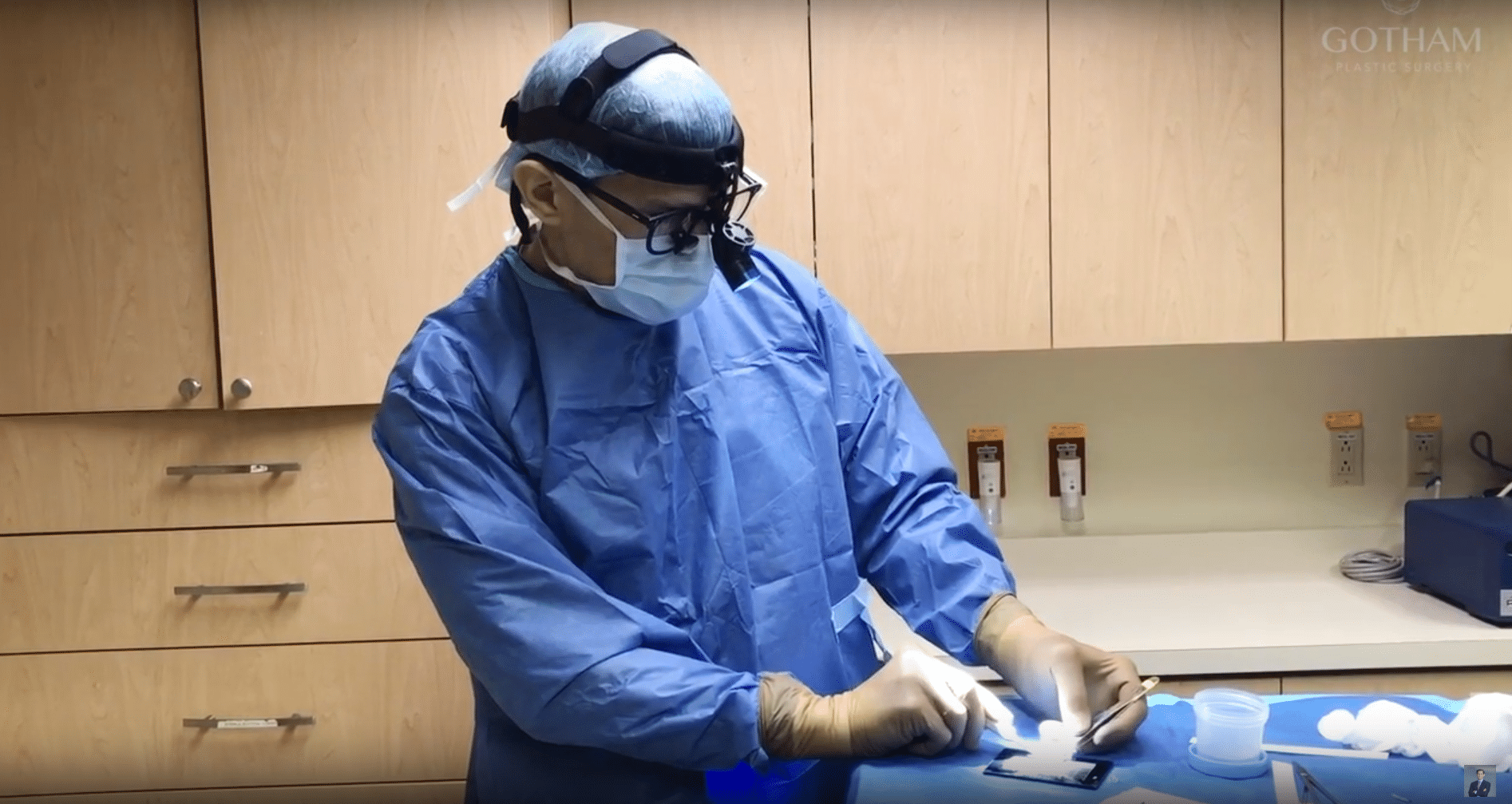
The 1 ½ – 2 ½ hour procedure may be done either under general anesthesia or under sedation. Most incisions are made inside the nostrils, or a small one made along the natural creases found on the sides or near the base of the nose.
Skin is then lifted from the underlying cartilage and bone, and the nose is recontoured and reconstructed. The incisions heal quickly and leave scars that are nearly invisible. Dr. Miller also offers variations of his nose surgery procedures depending on your age, gender, ethnicity, and desired goals. Examples are Teen Rhinoplasty, Male Rhinoplasty, MicroRhinoplasty, Ethnic Rhinoplasty, and Revision Rhinoplasty.
Non-Surgical Rhinoplasty
Not everyone will need surgical rhinoplasty. As one of New York City’s top rhinoplasty surgeons, Dr. Miller understands that not every patient who desires to alter their nose will need invasive surgery to achieve dramatic results. For patients like these, or for those not ready for surgery and would like something temporary, Dr. Miller has developed a specialized area of practice that will give you the transformation you want using non-surgical methods.
Also referred to as a liquid rhinoplasty, a non-surgical nose job allows surgeons to alter the nose’s shape, size, the position of the nasal tip, or to hide bumps. It is a quick, pain-free alternative to invasive surgeries for correcting undesirable noise characteristics.
Hyaluronic acid fillers such as Restylane, Perlane, and Juvéderm are the preferred injectables for a liquid rhinoplasty. They are the easiest to mold and shape, and can be removed within 24 hours should you wish to have the results reversed. Radiesse may also be used under certain circumstances. When injected, these fillers will smooth and contour the existing nasal structure, helping you achieve a nose that creates facial balance and harmony. Results can last up to a year before the procedure needs to be repeated to maintain optimal results.
Consult With A Rhinoplasty Expert In New York
Double board-certified in Facial Plastic and Reconstructive Surgery as well as Otolaryngology/Head & Neck Surgery, Dr. Philip Miller is one of the country’s leading experts in rhinoplasty and facial rejuvenation. As a renowned facial plastic surgeon who trained as an ear, nose, and throat specialist, Dr. Miller has extensive experience dealing with the nose. For more than two decades in Manhattan, he has dedicated his career to providing patients with customized surgical and non-surgical facial procedures. To learn more, contact Dr. Miller today.
Performed by New York City’s #1 double board-certified facial plastic surgeon with 20+ years of experience in eyelid rejuvenation and facial aesthetics.
Eyelid Surgery Photos Before and After
Refresh your appearance and look more alert with expertly performed blepharoplasty. See before and after photos of real eyelid surgery patients and envision your own transformation.
Smooth under-eye bags and puffiness with a procedure designed to create a rested, refreshed appearance.
Transconjunctival Blepharoplasty
Address under-eye puffiness without visible scarring by removing fat from inside the lower eyelid.
Laser Blepharoplasty
Enhance results and minimize downtime with laser-assisted techniques for more refined contouring and quicker healing.
Combined Eyelid and Brow Procedures
Create comprehensive rejuvenation by combining eyelid surgery with a brow lift or other facial enhancements.
Why Choose Dr. Miller?
Dr. Miller is a recognized leader in blepharoplasty and facial plastic surgery, offering expert care and innovative techniques for eyelid rejuvenation. Choosing Dr. Miller ensures:
Specialized expertise from a double board-certified facial plastic surgeon with a focus on the eyes and face
Customized eyelid surgery using the NatraLook® process to align your aesthetic goals with natural results
Access to surgical and non-surgical options for upper blepharoplasty and lower eyelid procedures
Treatment in a fully accredited, state-of-the-art surgical facility in New York City
Peace of mind from Dr. Miller’s recognition as a Castle Connolly Top Doctor for over a decade
Refresh and Rejuvenate Your Eyes
Request a consultation with Dr. Miller, and our team will respond within 24 hours
We’ll work with you to schedule a 60-minute consultation with a $400 consult fee that applies to your procedure
Dr. Miller will use his NatraLook® process to assess your eyelids and listen to your goals
You’ll receive a customized blepharoplasty plan
Once aligned on a treatment approach, we’ll schedule your eyelid surgery at your convenience
Procedures typically take 1–2 hours, depending on complexity
Our team provides attentive post-op care before you return home—with transportation assistance if needed
Frequently Asked Questions
What causes sagging or puffy eyelids?
Eyelid sagging and puffiness are often caused by aging, genetics, or the weakening of muscles and connective tissues around the eyes. Fat deposits may shift or protrude, and skin loses elasticity, leading to a tired or aged appearance. Environmental factors like sun exposure and lifestyle habits also play a role.
Who is a good candidate for blepharoplasty?
Ideal candidates are in good health and want to improve the appearance of drooping upper lids, under-eye bags, or impaired vision due to sagging skin. A consultation will help determine if upper blepharoplasty or lower eyelid surgery—or a combination—is right for you.
What is recovery like after eyelid surgery?
Most patients experience mild swelling and bruising for about 7–10 days. Discomfort is minimal and can be managed with over-the-counter medications. Stitches are typically removed within a week, and most patients return to normal routines shortly after.
How long do blepharoplasty results last?
Results from eyelid surgery are long-lasting—often 10 years or more. While no procedure can stop the aging process entirely, eyelid rejuvenation can dramatically turn back the clock and maintain a more rested, youthful look.
What are the risks of eyelid surgery?
As with any surgical procedure, there are potential risks, including temporary blurred vision, dry eyes, scarring, or asymmetry. These complications are rare, and Dr. Miller uses meticulous techniques and detailed follow-up care to minimize risks and ensure optimal results.
Can eyelid surgery be combined with other procedures?
Yes. Many patients choose to combine blepharoplasty with a brow lift, facelift, or non-surgical treatments like Botox for more comprehensive facial rejuvenation. Dr. Miller will create a personalized plan to help you achieve natural-looking, balanced results.
What should I expect during my consultation?
During your consultation in New York City, Dr. Miller will evaluate your facial structure, discuss your goals, and review treatment options. You’ll receive a detailed surgical plan and a clear understanding of what to expect before, during, and after your eyelid surgery.
How to Contact A Qualified New York Facial Plastic Surgeon
To learn more about how specialized training in facial plastic surgery can make you look like your ideal self, contact my knowledgeable and helpful team to set up a consultation. You can phone the office directly, or fill out the online message form.
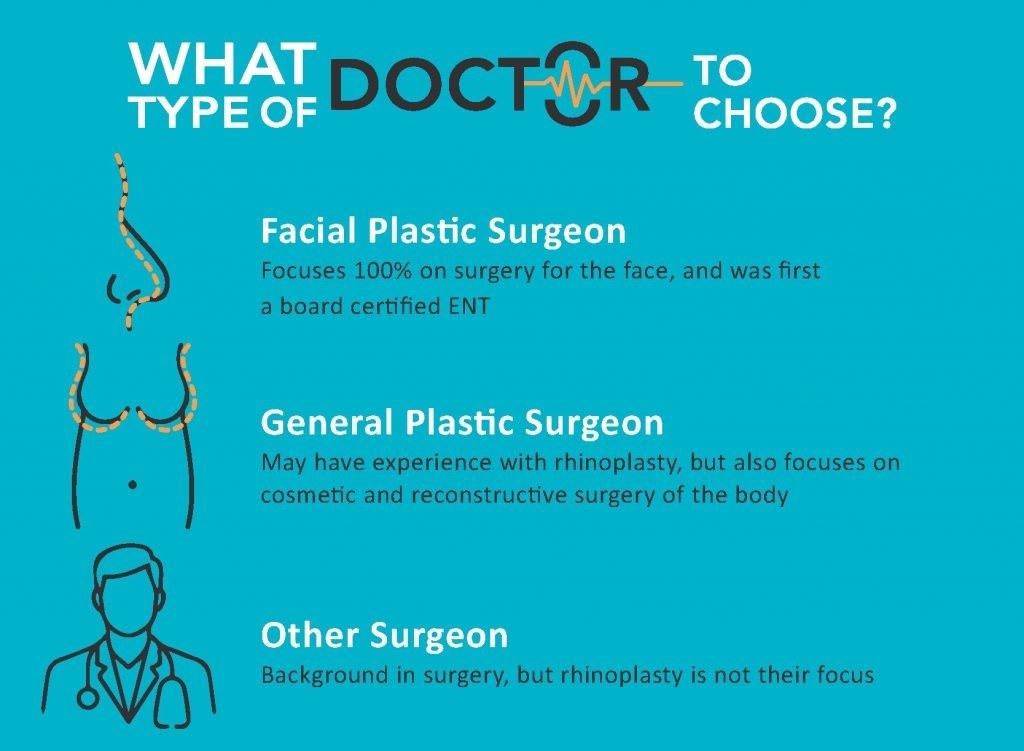
You’re ready for facial cosmetic surgery, and now you need to find the most expert and skilled surgeon in New York City to make the aesthetic improvements you want. How do you choose the most qualified expert from among all the many expert surgeons who come up on your Google search?
If you’re considering facial plastic surgery — facelift, brow lift, nose job, blepharoplasty, neck lift, or any other surgery on your face or neck — your first goal is to identify the plastic surgeons who specialize in facial plastic surgery. Ideally, they should be trained both in cosmetic facial plastic surgery and also otolaryngology, which focuses on the function of facial structures, including the jaw and nose.
What is a general plastic surgeon?
A general plastic surgeon is trained to repair physical defects and to restore function and a normal appearance to any body part that has been injured, abnormal at birth, or which could be improved aesthetically. Plastic surgeons in New York receive their training during their residency, after completing medical school.
To be board-certified in plastic surgery by the American Board of Plastic Surgery, you must be trained in six areas, one of which is devoted to cosmetic surgery. This training includes all cosmetic plastic surgery procedures, not just those devoted to the face. So a general plastic surgeon can reshape your entire body — performing procedures such as breast lifts and augmentations, tummy tucks, and liposuction — whereas a facial plastic surgeon is trained only in facial procedures.
What is a facial plastic surgeon?
A facial plastic surgeon’s training is solely focused on reconstructing and making aesthetic improvements to a patient’s face, head, and neck. We develop a deep knowledge of the anatomy of the face, including bones, muscles, tendons, cartilage, and skin.
What’s the process for becoming a facial plastic surgeon?
A doctor begins studying facial plastic surgery after they’ve earned their MD. I received my MD from Wesleyan University and then went on to complete an internship and residency in General Surgery at New York University (NYU) School of Medicine. I also completed a second residency in Otolaryngology/ Head & Neck Surgery at NYU. I then went on to a fellowship in Facial Plastic & Reconstructive Surgery at Oregon Health Science University.
Procedures that facial plastic surgeons are trained for include:
After completing hundreds of facial surgical procedures, we take our board certification exams.
What does it mean to be board certified?
Even though both general plastic surgeons and facial plastic surgeons must undergo hundreds of hours of specialized training and we’ve already earned our MDs, we must complete another series of exams in the categories in which we wish to specialize. If we pass these exams, the medical board that prepared and administered them then certifies us as qualified to perform those highly specialized procedures. I’m double-board certified, which means I passed the exams and am board-certified in both Facial Plastic & Reconstructive Surgery and Otolaryngology/Head & Neck Surgery.
You should be sure that your facial plastic surgeon clearly states that they’ve been board certified and, ideally, double-board certified. A board-certified plastic surgeon should have the abbreviation “FACS” (for Fellow of the American College of Surgeons) after their “MD.”
What other qualifications do facial plastic surgeons need?
Facial plastic surgery is a skill, but it’s also an art. When it comes to making aesthetic improvements to the face — which is, after all, a primary component of your identity — you should look for a board-certified facial plastic surgeon who has a demonstrated ability to create harmony and balance in all of their improvements.
Some facial plastic surgeons may have studied art or may paint or sculpt in their spare time. My mother was a painter. I grew up surrounded by beauty and art. From a young age, I learned the importance of harmony, subtlety, and symmetry when making any kind of aesthetic choice.
My mission when performing facial plastic surgery is to create what I call Aesthetic Confidence® for my patients. They know that their new nose is now in perfect balance with the rest of their features; their eyelids are tightened and rejuvenated to the exact degree that’s compatible with their gender identity; their chin or cheek implants create such flattering lines and planes that they look like they’d been born with them.
Even a dramatic rejuvenation, such as a facelift, should look completely natural, rather than overly tightened or lifted. With my patented NatraFace™ techniques, my patients look like a younger, more energized version of themselves.
How to Contact A Qualified New York Facial Plastic Surgeon
To learn more about how specialized training in facial plastic surgery can make you look like your ideal self, contact my knowledgeable and helpful team to set up a consultation. You can phone the office directly, or fill out the online message form.
You’re ready to reshape your nose and light up your face with an expertly performed rhinoplasty. You want to make sure you get a result that is both natural and beautiful. But you’re also concerned about the cost. Is it time to search through Groupon deals, or book a trip to another country for bargain-basement surgery?
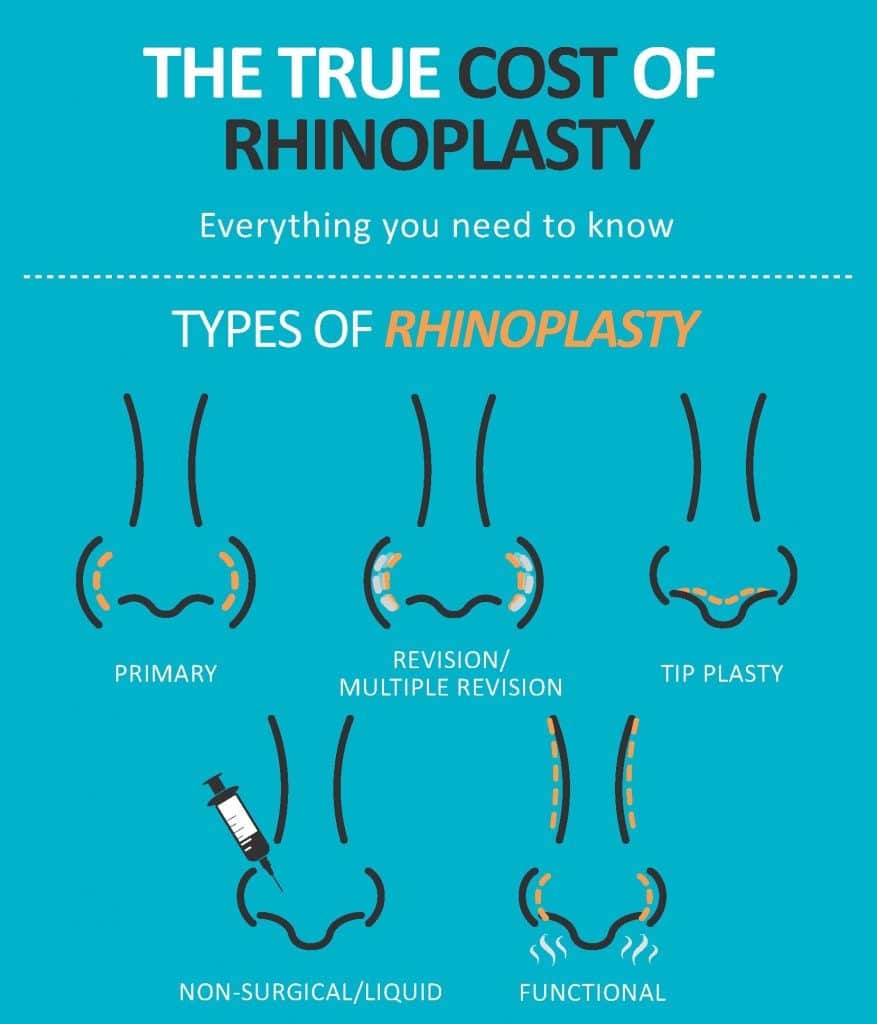
Calculating the cost for nose reshaping gets even more complicated when you consider the numerous options that fall under the rhinoplasty category:
What procedure is right for you and what will you need to pay to get the right treatment for your needs and goals? Will insurance cover any of the costs? Is there a way to get the results you want and save money at the same time?
When a Bargain isn’t a Bargain
If you’re savvy about your finances, you already know that so-called “bargains” can ultimately cost more than quality goods. That’s especially true when it comes to rhinoplasty, which is one of the most complex cosmetic facial plastic surgeries performed today.
Because your nose is the central feature of your face, you can’t hide surgical mistakes or hope that no one notices them. You need to get it right the first time, to save yourself money and emotional distress. Keep in mind that the nose is also a vital organ and an essential part of your respiratory system. It is imperative that it still functions well after surgery. Only an expert can ensure the best result.
Choosing Your Rhinoplasty Surgeon
Philip J. Miller, MD, FACS is a double board-certified facial plastic surgeon in New York City who specializes in rhinoplasty. He has lectured on innovative rhinoplasty techniques at the International Symposium of Facial Plastic Surgery, written chapters on rhinoplasty for medical textbooks, and specializes in his patented NatraNose® approach to rhinoplasty procedures.
Cost of Rhinoplasty by Type
When estimating the cost of rhinoplasty, begin by determining which type of rhinoplasty procedure will meet your needs best. To help patients interested in rhinoplasty, Dr. Miller offers the following information:
Primary Rhinoplasty
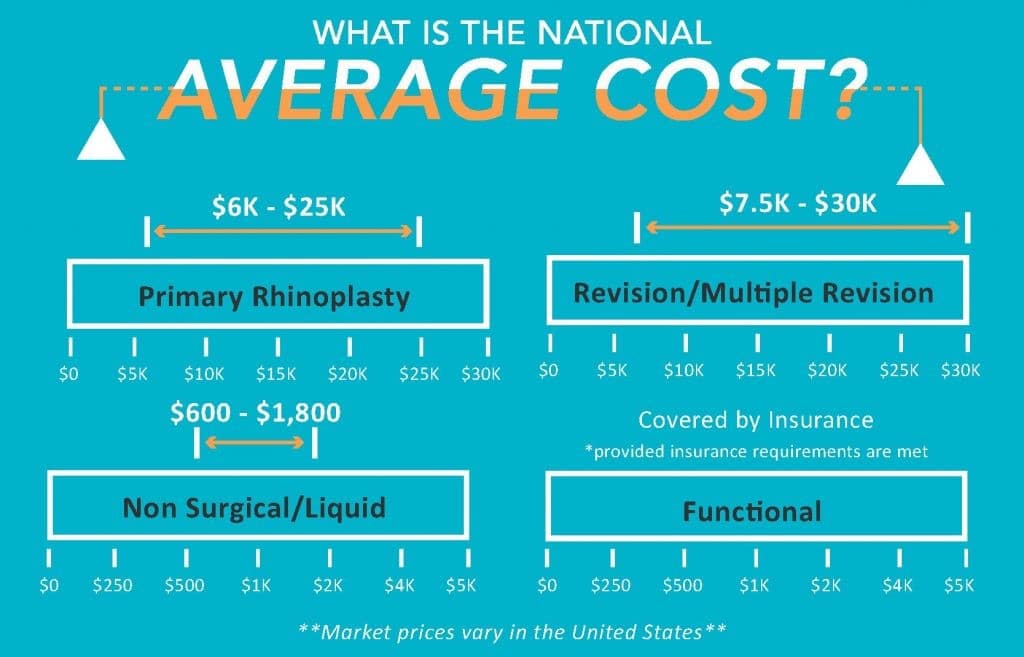
Your first nose job is considered a primary rhinoplasty. The average price can range from $6,000 to $25,000, depending on your location and the expertise of your surgeon. You might also opt for tip plasty, which is less expensive, but only improves the look, angle or shape of the nasal tip.
The nose is a highly complex, finely sculpted structure that consists of a variety of tissue types, including skin, cartilage and bone. Lack of expertise working with any of these mediums can result in a nose that heals incorrectly and calls unwanted attention to itself. However, a beautifully executed rhinoplasty corrects defects in the size, shape and angle of your nose.
With an expert facial plastic surgeon such as Dr. Miller, you can expect aesthetic improvements such as:
Shorter nose
Straighter nose
Removal of bumps
More symmetrical nostrils
Thinner or wider nostrils
Thinner nose
Larger nose
More defined tip
Nose proportionate to other facial features
Ideally, your primary rhinoplasty is so successful that after your one-year healing period, your new nose is everything you dreamed it would be. Your choice of surgeon is imperative to ensuring a positive result the first time around:
A surgeon who is not board-certified as a facial plastic surgeon, or even a plastic surgeon who doesn’t specialize in rhinoplasty, can leave you with a nose that looks worse than your original nose. Revision surgery may cost between $7,500 to $30,000 to improve your initial results.
Keep in mind that it can take up to a full year to heal after rhinoplasty and determine whether a revision is necessary. Common reasons for needing a revision rhinoplasty include:
Too much cartilage removed (collapsed nose)
Over-rotated tip (pig-like nose)
Difficulty breathing
Drooping tip
Crooked nose
Asymmetric nostrils
Nose doesn’t harmonize with facial features
Nose is inappropriate for ethnicity or gender
If your surgeon botched your primary rhinoplasty, you could require multiple revision rhinoplasties to achieve the result you want. When the mistake is minor and you are comfortable returning to your original surgeon for revision, you may not be charged, or you could pay a reduced price. If you changed your mind about what you wanted, or if the mistake is so grave that you no longer trust your surgeon, you may have to pay substantially more for a new surgeon. That’s why seeking out a bargain for your first rhinoplasty isn’t a wise choice.
Revision rhinoplasty is even more challenging than the original procedure. Even a well-executed primary rhinoplasty creates scar tissue in your nose. A nose job that is poorly done could leave a significant amount of scar tissue, while creating structural problems that may be difficult to rectify.
If you need a revision rhinoplasty, it is imperative that you find a surgeon who specializes in this procedure. The quality of your cartilage, bone, and skin have already been compromised by your first surgeon. You now require expertise to compensate for that structural damage. Dr. Miller is an expert at correcting mistakes made by other surgeons to create the best outcome for you.
Nonsurgical rhinoplasty
Nonsurgical rhinoplasty costs about 10 times less than a surgical nose job. Charges range from $400 to about $1,800, depending on your location, the expertise of your surgeon, and the amount of filler that’s required to improve your nose. The best candidate for nonsurgical rhinoplasty is a man or woman who is happy with the length and shape of the nose but would like to address bumps or asymmetries. This procedure is accomplished with the aid of hyaluronic acid- based dermal fillers.
Dr. Miller also uses liquid rhinoplasty to reshape and reposition your nasal tip. Other than some soreness and swelling directly after the injections, you won’t have any recovery time or side effects from liquid rhinoplasty. You will also see immediate results and if you don’t like them, the filler can be dissolved.
Even though nonsurgical rhinoplasty is much less complex than rhinoplasty surgery, it still requires knowledge about facial anatomy, aesthetics, and harmony. Don’t trust your liquid rhinoplasty to an inexperienced provider. Select a board-certified doctor who is qualified the produce the best possible result for you.
If you’re nervous about rhinoplasty or you want to make some improvements to your nose while saving up for primary rhinoplasty surgery, nonsurgical rhinoplasty with dermal fillers is a great place to start. Many women and men opt for a nonsurgical nose job first, as a way of “auditioning” a potential new nose shape. Others are so happy with their results that they continue touching-up their nose with fillers, without ever moving to surgery. You will need to schedule touch-up procedures periodically to maintain the results of your liquid rhinoplasty. Surgery provides permanent results.
Septoplasty (functional nose job)
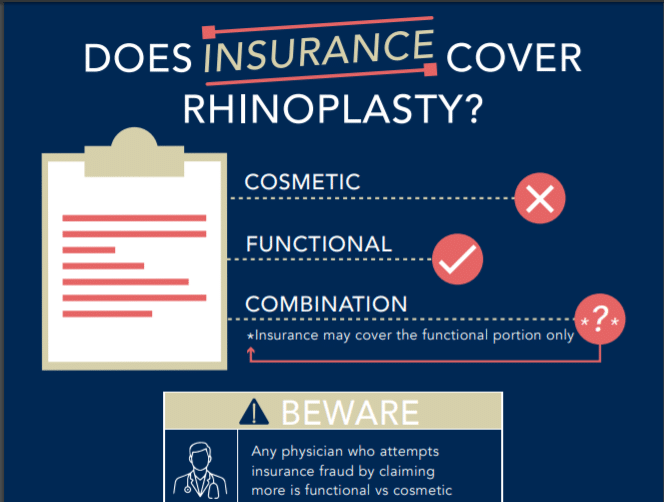
If you have a deviated septum, it means the nasal bone and cartilage that divide your nose in half is not straight. The septum can take up extra space in one of your nostrils, making it hard to breathe. Many women and men require a septoplasty to correct this problem. Since a deviated septum is a medical condition that impairs your ability to breathe easily through your nose, your septoplasty may be covered by your medical insurance:
When you combine rhinoplasty with septoplasty, only the portion of the operation that’s medically necessary is eligible for insurance coverage. Aesthetic improvements are not eligible for coverage or reimbursement. Never trust an unethical surgeon who tells you they are covered or try to manipulate the system to pay for your cosmetic surgery.
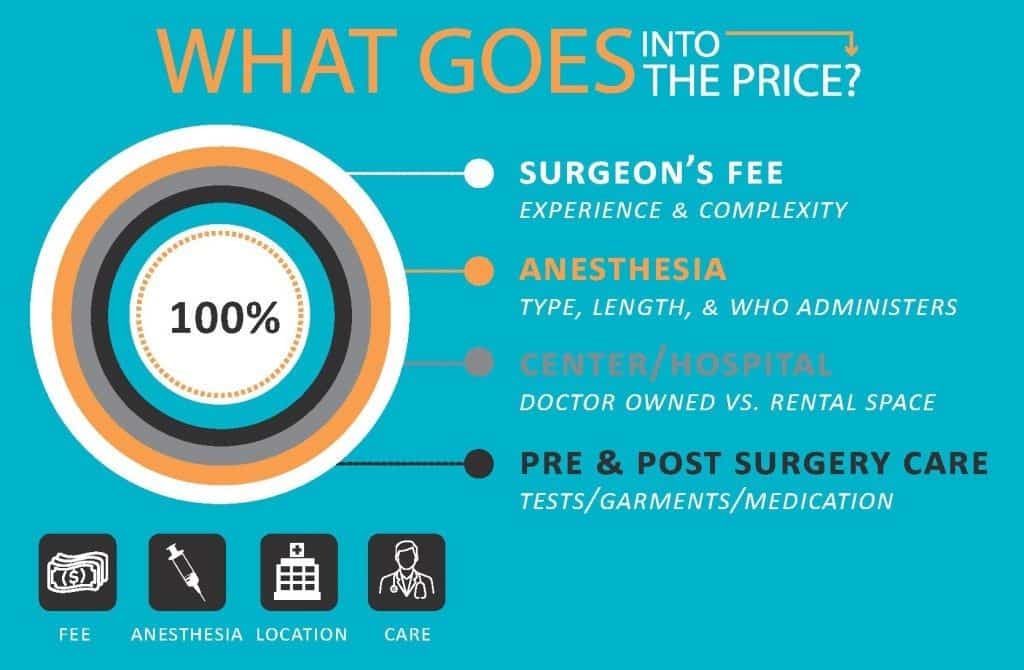
What you’re paying for
In addition to paying for the expertise and skill of your surgeon, rhinoplasty has several other expenses to consider when making a final decision based on price:
Your procedure may vary depending on how complex and difficult it is. Dr. Miller’s quotes are always all-inclusive, and include the following:
Surgeon’s fee
Anesthesiologist’s fee
Anesthesia
Surgical center
Postsurgical care (follow up visits and tests)
Medication-related to surgery
Bandages and wraps
Dr. Miller has the advantage of his own surgical suite, which helps you avoid an expensive hospital stay. When consulting with other facial plastic surgeons who specialize in rhinoplasty, always ask for a complete breakdown of their price, so you won’t be surprised by add-ons in the end.
To set up a consultation with an expert in rhinoplasty that can give you the aesthetically pleasing, well-formed nose and the Aesthetic Confidence® it inspires, contact Dr. Miller in NYC today.
The revolutionary use of stem cells in medicine is now being hailed as the latest breakthrough in the ongoing battle against the natural aging process. Stem cells are unique in that they are literally the tabular rasa, or blank slate, in cellular biology. They are known as “undifferentiated” cells, meaning they have the potential to be transformed into other types of cells – a liver or heart cell, or a skin cell – or regenerate old or damaged tissue.
This is why stem cells are frequently viewed as the body’s natural fountain of youth.
The Stem Cell Facelift is a new facial cosmetic procedure utilizing adult stem cells harvested through liposuction from a patient’s own fat tissue. The fat stem cells are then separated out and comingled with stem cell growth factors, which activate and energize the stem cells. The mixture is then injected by a qualified physician into specific areas of the patient’s face to restore lost facial volume and a youthful appearance.
The technique promises a complete facial rejuvenation, and a growing number of patients are looking into this less invasive procedure with much hope and anticipation.
The Stem Cell Facelift does indeed hold promise because of its efficient use of the body’s own rejuvenation potential to regrow or replace tissue that is lost as a result of normal aging. The use of stem cells has had remarkable results in the treatment of spinal cord injuries, for example.
The advantages associated with the use of stem cells in facial cosmetic procedures, however, should be weighed against any potential risks as the technology is still in its infancy. In one extreme case, a patient who had the procedure went back to her plastic surgeon with bone shards growing inside her eyelids.
Stem cell technology in cosmetic surgery is an exciting development that still has a long way to grow. One, therefore, should not overlook other non-invasive procedures with proven track records of success, such as Botox and injectable fillers used to remove facial lines and wrinkles, as well as time-tested surgical procedures like the traditional facelift.
Dr. Philip Miller is a board certified facial plastic surgeon with offices located at 60 East 56th, Third Floor, New York, N.Y. Call (646) 791-3025for a personal consultation.
We use cookies to enhance your browsing experience, provide personalized content, and analyze our traffic. By clicking "Accept All Cookies," you consent to our use of cookies. You can manage your cookie preferences or opt-out at any time by clicking "Cookie Settings." For more details, read our Privacy Policy.