Virtual Rhinoplasty
For anyone considering a nose job, a source of concern comes from wondering what the finished result will actually be. For anyone considering a major surgical procedure such as rhinoplasty, it is quite natural to have some reservations that your appearance after the procedure will not match the image you had in mind. Will all the effort and recovery be worth it? Will you get the improvement you hoped for? Will you like the “new” you?
The good news for today’s potential nose job patient is that these concerns are a thing of the past. With Virtual Rhinoplasty, technology has merged with medicine to provide a cutting-edge tool that allows you to visualize plastic surgery results – all from the comfort of your consultation chair.
Dr. Philip J. Miller is a leading NYC rhinoplasty surgeon with more than two decades experience devoted to the human nose. He incorporates the latest in technology using Virtual Rhinoplasty, to help patients visualize nose job results from the comfort of his NYC office.
Virtual Rhinoplasty utilizes the latest in computer imaging and technology to provide rhinoplasty patients with the ability to see what finished results will look like before ever stepping foot in the surgical suite.
How Does Virtual Rhinoplasty by Dr. Miller Work?
When you schedule a nose job consultation with Dr. Miller in NYC, one of the things you will likely do together is use Virtual Rhinoplasty software to explore how different changes to your nose will impact the final results. Dr. Miller will take pre-operative photographs of your nose from different angles and then upload them to his computer, where he will manipulate the photos with his specialized Virtual Rhinoplasty computer program.
Virtual Rhinoplasty allows you and Dr. Miller to work together to see how various changes, such as tip contours and nasal reshaping, will affect your overall appearance. With Virtual Rhinoplasty, you can “try on” a variety of changes to find the look that is best for you.
What Are the Benefits of Virtual Rhinoplasty by Dr. Miller?
The main benefits of Virtual Rhinoplasty include:
Increased Patient Confidence
When you decide on a nose job, having a window into what the final results will look like proves immeasurably helpful. Even when Dr. Miller fully explains techniques and expected outcomes, you may still have difficulty visualizing the end product. As they say, “a picture speaks a thousand words,” and that has never been truer than with Virtual Rhinoplasty.
Improved Communication Between Surgeon and Patient
Dr. Miller has decades of experience successfully working with patients to realize their nose job goals. With Virtual Rhinoplasty, Dr. Miller is able to reinforce the communication between doctor and patient in a visual way. The process ensures that both you and Dr. Miller are on the same page before the procedure begins. In fact, Virtual Rhinoplasty is so accurate, Dr. Miller can be exceptionally confident that your results will be extremely close to the computer-generated images.
FAQ
Q. Is there such a thing as 3-D Virtual Rhinoplasty?
A. Yes. Dr. Miller has incorporated 3-D technology into his practice and is capable of showing you your intended result in 3-D. A modification of the tip from the side can be viewed simultaneously in all directions.
Q. Why should I consider Virtual Rhinoplasty?
A. Never before has a rhinoplasty patient had such clarity into what to expect after a nose job procedure. If you’re on the fence about how rhinoplasty can improve your overall appearance, Virtual Rhinoplasty gives you an extremely accurate view of the “new” you.
How Do I Learn More About Virtual Rhinoplasty?
To learn more about Virtual Rhinoplasty in NYC, please contact our office to set up a consultation with Dr. Miller. You can fill out our convenient contact form or call us to get started on the journey to the new and improved you.
Next, read about wide nostril/big nostril nose job.
Jewish Rhinoplasty
Rhinoplasty surgery cannot be approached in the same way with every patient. This is especially true with ethnic nose reshaping procedures, as ethnic groups have varying features, characteristics, and areas of concern that require a specialized approach, particularly when it comes to preserving the patient’s ethnic identity.
Losing ethnic identity through nasal surgery is a common concern. Many patients feel conflicted between getting the nose they want and losing a part of their heritage. In New York City, facial plastic surgeon Dr. Miller uses specialized techniques to help such patients achieve the results they are after and facial harmony without sacrificing their ethnic identity.
Many Jewish “nose job” patients share some of these common nasal characteristics:
- An amorphous nasal tip
- An over-projected nasal tip
- A large dorsal hump
In his practice, Dr. Miller employs his own specialized techniques in order to achieve the attractive results his patients want, without taking away their ethnic identity. With more than two decades of experience in facial plastic surgery, Dr. Miller’s dedication to each of his patients gives him the ability to develop a customized treatment plan that blends change and preservation for the optimum ethnic “nose job” results.
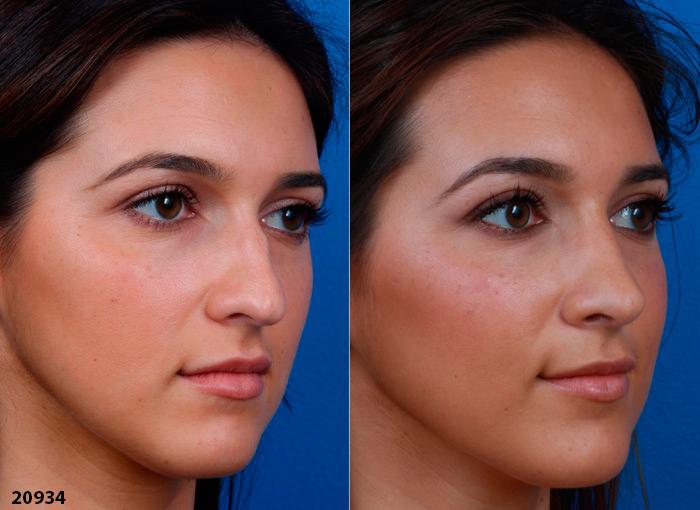
* Each patient is unique and individual results may vary.
Choosing a Rhinoplasty Surgeon
Start your search for a “nose job” surgeon in NYC by looking at your candidates’ actual experience with the procedure. You want to choose an experienced, credentialed facial plastic surgeon who is well-versed in specialized techniques. Your future surgeon should be able to demonstrate a strong knowledge of the unique characteristics that set the Jewish nose apart, as well as how to address these characteristics.
One method of understanding your surgeon’s abilities is to see his “before and after” photography portfolio. All surgeons view these photos as a testament to their work, so they will be able to provide this real evidence of their skills and expertise when asked.
Dr. Miller Answers Questions About Rhinoplasty
Are You A Good Candidate?
The best candidates for this procedure are men and women of Jewish descent who have concerns about their nose’s appearance. You should also be at least in your teens, not smoke, and be in good overall health. The only way to know for sure if you are a good candidate for this procedure is to consult with a reputable facial plastic surgeon specializing in this procedure. After a thorough examination of your nose, he can provide a recommended surgical plan to resolve your nasal concerns while preserving your nose’s ethnic features.
Learn More About Jewish “Nose Job” Surgery
If you are interested in learning more about this surgery, contact our office to schedule a consultation with Dr. Miller. Fill out the contact form or call (646) 791-3025.
Next, learn about male rhinoplasty.
Indian and Pakistani Rhinoplasty in New York
There is no one-size-fits-all approach to rhinoplasty. Among the many factors to consider is the patient’s ethnicity, as each group has unique nasal features, as well as challenges that require a different surgical technique. Indian rhinoplasty, for instance, will require ethnic nose reshaping designed to consider Indian and Pakistani noses and facial characteristics to offer the best results possible.
Typical patients of Indian descent may share some of these common nasal characteristics:
- Rounded nasal tip
- Wider nasal structure
- Thicker skin on the nose
- Nasal bridge that slopes downward
- Hump or bump on the nasal bridge
Philip J. Miller, MD, FACS, uses his own specialized techniques for Indian rhinoplasty to achieve the results patients desire by creating a nose that matches the patient’s unique facial characteristics.
When searching for a nasal plastic surgeon for Indian nose jobs in NYC, compare the experience of the doctor first and foremost. With such a complicated procedure, it is important to select an experienced and credentialed facial plastic surgeon who has substantial experience with rhinoplasty and has a strong knowledge of specialized ethnic nose job techniques and the unique characteristics of a female or male Indian nose.


Am I A Candidate for An Indian Nose Job?
Are you considering an Indian rhinoplasty. If you would like to make changes to the appearance of your nose and you are a man or woman at least 16 years old, you might be a good candidate. Patients should also be in reasonably good health and come into their procedure with realistic expectations about the outcome. Dr. Miller can help you determine whether a nose job is the right option for you at your consultation in his New York office.

Indian and Pakistani Rhinoplasty FAQ
How much does Indian rhinoplasty cost in NYC?
The price of an Indian nose job in New York City can vary widely, ranging from $9,000 to $25,000 or more. Your cost will be affected by factors like the extent of correction you need and the experience and expertise of the surgeon you choose. Keep in mind the more experienced surgeons may charge more but you are also more likely to enjoy an optimal outcome after your procedure. Your actual cost will be provided during your consultation with Dr. Miller.
How will the procedure go?
Dr. Miller typically takes 3-4 hours to perform an Indian rhinoplasty, although time will vary based on the complexity of the procedure. He may use an open or closed technique, depending on the specific details of the procedure.
During an open rhinoplasty, Dr. Miller will make a small incision in the tissue that separates the nostrils, known as the columella. This incision allows for more access and visibility of the underlying nasal anatomy, allowing Dr. Miller to make more significant alterations to the appearance of the nose. This approach does leave a small scar underneath the base of the nose that is typically almost invisible once it heals.
A closed rhinoplasty, also known as endonasal rhinoplasty, on the other hand, keeps all incisions inside the nose. During the procedure, Dr. Miller uses limited access to make changes to the nasal tip or bridge. This technique does not leave any visible scarring, but changes made using this technique tend to be more subtle.
Dr. Miller will choose the best technique for you based on your specific needs and goals.
What does recovery look like?
Desi nose job patients can typically return to their regular activities within 2-3 weeks, but Dr. Miller recommends avoiding strenuous physical exercise for 3-6 weeks. You will begin to see the swelling and bruising disappear during the initial three weeks so you can start to see your initial results. Full results usually take 6-12 weeks although some swelling can linger for up to one full year. Dr. Miller and his team will follow you through this entire process, but please be patient to see the final results.
Does it hurt?
Patients concerned about pain during and after surgery are often pleasantly surprised at how comfortable the recovery process can be. Patients may experience some discomfort in the hours immediately following plastic surgery for an Indian nose job. Dr. Miller will prescribe pain medication to alleviate these symptoms, although few find it necessary.
Concerns before surgery are completely natural and It is important to discuss all your concerns with your surgeon before your surgery. Dr. Miller will discuss your concerns and provide you with full post-operative instructions to ensure your healing process is as smooth as possible.
Will insurance cover my Indian nose job?
Insurance does not cover elective procedures done for purely cosmetic reasons. If you are undergoing an Indian or Pakistani nose job to correct breathing or other functional issues, you may be eligible for at least partial coverage of your procedure.
Schedule an Indian Nose Job Consultation in New York
Dr. Miller developed his proprietary consultation process called NatraLook. During the NatraLook consultation, he evaluates the patient’s nose and facial features while listening to their concerns and goals. This process evaluates and expands the typical plastic surgery experience into a safe, collaborative environment where patients can explore their aesthetic confidence. To learn more about Indian and Pakistani rhinoplasty, contact our office to schedule your consultation with Dr. Miller. You will be put in touch with a patient advisor who will help you get started. Fill out our contact form or give us a call at (646) 791-3025.
Middle Eastern Rhinoplasty
A Middle Eastern, or specifically, a Persian, Arab, Turkish, or Armenian “nose job” is a specific type of ethnic nose reshaping. The goal of this procedure is to consider unique features and concerns to produce aesthetically pleasing results while preserving the patient’s ethnic identity.
New York City facial plastic surgeon, Philip J. Miller, MD, FACS, often consults with patients who are concerned about losing their ethnic identity through nasal surgery. While many patients feel conflicted between getting the nose they want and appearing “too Caucasian,” Dr. Miller employs specialized techniques that address the common concerns and problem areas associated with Middle Eastern noses while maintaining ethnic identity.
Armenian, Arab, Persian, Lebanese, or Iranian noses may share some of these common nasal characteristics:
- Large nasal profiles
- A curvature (e.g., downward sloping) of the nasal bridge
- A bulbous or hanging nasal tip

Yara, Arabic, Turkish, and Middle Eastern noses in general also tend to have thicker facial skin with more fatty tissue, as well as longer noses that feature a higher bridge, droopy tip, nasal humps, imbalanced nostril tip, and wide bones. The goal of these Middle Eastern rhinoplasty patients is to create a more symmetrical and desirable nose that stays in balance with the proportions of their face while still maintaining their Middle Eastern heritage for the best results possible.
Dr. Miller’s Approach to Middle Eastern Rhinoplasty
When searching for a nasal plastic surgeon in NYC, compare the experience each candidate has with the procedure you are considering. With such a complicated procedure, it is important to select an experienced and credentialed facial plastic surgeon who is well-versed in the unique characteristics of the Middle Eastern nose. Always view a surgeon’s “before and after” portfolio to get a good idea of the surgeon’s abilities and expertise with procedures performed on Persian, Arab, or Turkish noses.
Dr. Miller is a double-board certified facial plastic surgeon in New York and is recognized as an expert in rhinoplasty and facial rejuvenation procedures. He has more than two decades of experience in facial plastic surgery. He provides personalized treatment plans that combine desired changes with the preservation of a patient’s ethnic identity.
Dr. Miller developed his proprietary consultation process called NatraLook. During the NatraLook consultation, he evaluates the patient’s nose and facial features while listening to their concerns and goals. This process evaluates and expands the typical plastic surgery experience into a safe, collaborative environment where patients can explore their aesthetic confidence. This opportunity allows patients and Dr. Miller to create a unified vision for optimal results and the most natural outcome possible.
Middle Eastern Nose Job Before and After


Am I a candidate for a Middle Eastern nose job?
The ideal candidates for Iranian nose jobs are men and women who are concerned about the appearance of their noses and are in good physical health, non-smokers, and at least 16 years old. The best way to determine if you are a candidate for this procedure is through a consultation with a qualified facial plastic surgeon who will perform an examination of your nose and provide an appropriate surgical plan.
Dr. Miller Explains Ethnic Rhinoplasty
Middle Eastern Nose Job FAQ
How much does Middle Eastern rhinoplasty cost in NYC?
A Middle Eastern nose job can cost anywhere from $9,000 to $25,000 in New York City. This is the average price for the area, but the true cost varies from patient to patient, depending on factors, such as the patient’s aesthetic goals, the length and involvement of the surgery, anesthesia and facility fees, and the surgeon’s experience. The actual cost will be provided during your consultation. For more information on the cost of rhinoplasty, please contact Dr. Miller at his Manhattan, New York plastic surgery office.
How will the procedure go?
Any type of rhinoplasty procedure is highly complex and requires meticulous attention to detail. It typically takes 3-4 hours for Dr. Miller to complete the procedure.
There are two surgical approaches to rhinoplasty: An open or closed technique. If performing an open rhinoplasty, Dr. Miller will make a small incision in the columella –the piece of tissue that separates the nostrils. Also called external rhinoplasty, this technique opens the tip of the nose to reveal its internal structures. An open rhinoplasty provides enhanced visibility when maneuvering through the bone, cartilage, and tissue that make up the nose. When performing this type of rhinoplasty, Dr. Miller can reshape the nose and repair damage without jeopardizing its structural support.
A closed or endonasal rhinoplasty is an internal procedure in which all incisions are confined to the inside of the nostrils. Patients concerned about visible scarring need not worry with a closed rhinoplasty. During the procedure, Dr. Miller carefully lifts the underlying bone, cartilage, and tissue through the nostrils, so you won’t be able to see any scarring.
Dr. Miller will choose an open or closed method depending on the patient’s goals, as well as the size and structure of the patient’s nasal passages.
What does recovery look like?
Lebanese, Iranian, and Turkish nose job patients usually return to work and normal activities within 2-3 weeks, but you should refrain from strenuous physical activity for 3-6 weeks. You will begin to see the swelling and bruising disappear within 2-3 weeks, at which time you will start to appreciate the results. Full results usually take 6-12 weeks to be seen while your healing will continue for the entire first year. Dr. Miller and his team will follow you through this entire process, but please be patient to see the final results.
Does it hurt?
You can expect to experience very minor pain in the nose and forehead region in the hours immediately following surgery. Pain medication is provided and may be taken to alleviate these symptoms, although few find it necessary because severe pain is extremely uncommon.
It is important to discuss all your concerns with your surgeon before your surgery. Dr. Miller will be able to set your expectations for your recovery and recommend specific after-care solutions to make your healing process as smooth as possible.
Will insurance cover my Middle Eastern nose job?
Depending on the reasons for having rhinoplasty, it can be covered by insurance. If the reason for your Armenian or Persian nose job is purely cosmetic, it is not covered. But if it is provided to correct breathing or other functional issues, then it may be covered by your insurance policy.
Schedule a Middle Eastern Nose Job Consultation in New York
To learn more about Middle Eastern rhinoplasty, contact our office to schedule your consultation with Dr. Miller. You will be put in touch with a patient advisor who will help you get started. Fill out our contact form or give us a call at (646) 791-3025.
Hispanic Rhinoplasty in New York
Rhinoplasty is a complex surgery that requires a unique approach for each patient. When performing this procedure on a Hispanic ethnic nose, the unique ethnic characteristics and features of the patient are essential to ensuring an optimal outcome while maintaining ethnic identity.
With more than 52 million Latinos in the United States, it is no surprise that there is high demand for the Hispanic nose job. The Latino community has a wide range of diversity, which means rhinoplasties for patients can be broken down into even smaller ethnic groups. Hispanic patients often share several common nasal characteristics and nose shapes, including thick skin and a bulbous nasal tip that is difficult to refine using traditional methods. Other areas that must be considered include:
- A large bridge (Spanish heritage)
- Wide, flat nostrils (Caribbean heritage)
- Flatter nasal tips and bridges (Central and South American heritage)
Philip J. Miller, MD, FACS, frequently meets with patients who are concerned they will lose their ethnic identity through nasal surgery. Dr. Miller has developed many techniques specific to Hispanic patients to ensure excellent results that retain their facial features and ethnic identity.

Dr. Miller’s Approach to Hispanic Rhinoplasty
When considering an ethnic rhinoplasty like a Hispanic nose job, it is essential to select an experienced facial plastic surgeon with expertise in rhinoplasty techniques and who understands the unique features of the Hispanic nose. Always view a surgeon’s “before and after” portfolio of past patients to gain a visual idea of the surgeon’s abilities and expertise.
There are three distinct types of Hispanic rhinoplasty procedures:
- Type I: A high bridge with a hump – the cartilage is shaved down, and the bone is rasped to remove the hump
- Type II: An under-projected tip – the tip is raised and projected with supplemental cartilage
- Type III: A shorter, flatter nose with a broad nasal base, thick skin, and a wide tip – the shape of the nose is refined by narrowing the base and raising the bridge

As a double-board certified facial plastic surgeon in New York with two decades of experience in facial plastic surgery, Dr. Miller is regarded as an expert in rhinoplasty techniques as well as procedures like facelifts and jawline contouring. After a rhinoplasty with Dr. Miller, you will look like yourself, only better.
Dr. Miller’s dedication to each patient led him to develop his proprietary consultation process known as NatraLook. This process allows for highly customized treatment plans that target the specific desires of the patient, while preserving ethnic identity. NatraLook goes beyond the typical plastic surgery experience to create a safe, collaborative environment where patients can explore their Aesthetic Confidence. This process ensures a unified vision for the most natural, beautiful outcome.
Hispanic Nose Job Before and After


Am I a candidate for a Hispanic nose job?
The best candidates for this procedure are men and women with concerns about the appearance of their nose (e.g., a bulbous tip or a wide nose). Candidates should be non-smokers, at least 16, and in good physical health. The best way to find out if you are a good candidate for a Latino nose job is to schedule a consultation with a reputable facial plastic surgeon who specializes in this procedure.
Hispanic Nose Job FAQ
How much does Hispanic rhinoplasty cost in NYC?
The cost of rhinoplasty may range from $9,000 to $14,000 or more in New York City. The actual cost varies considerably from patient to patient, depending on factors like the extent of correction needed, the duration of the procedure, anesthesia and facility fees, and the surgeon’s experience. Dr. Miller will provide you with an actual cost during your consultation at his Manhattan, New York plastic surgery office.
How will the procedure go?
Hispanic nose job surgery usually takes about 3-4 hours for Dr. Miller to perform. Depending on the goals of the procedure, you may undergo open or closed rhinoplasty. During open rhinoplasty or external rhinoplasty, Dr. Miller makes a small incision in the columella, which is the tissue at the base of the nose that separates the nostrils. This technique allows for greater access and visibility to the internal nasal structure to create more dramatic changes to the nose.
A closed rhinoplasty or endonasal rhinoplasty does not include any incisions on the outside of the nose – everything is done internally. While there is no visible scarring after closed rhinoplasty, it also limits the surgeon’s ability to alter the nasal structure significantly.
Dr. Miller will choose an open or closed method depending on the specific needs and goals of each patient.
What does recovery look like?
You can usually return to work and normal activities within 2-3 weeks, but you should refrain from strenuous physical activity for 3-6 weeks. You will begin to see the swelling and bruising disappear within 2-3 weeks, at which time you will start to appreciate the results. Full results usually take 6-12 weeks to be seen, while your healing will continue for the entire first year. Dr. Miller and his team will follow you through this entire process, but please be patient to see the final results.
Does it hurt?
Patients are often pleasantly surprised at how little pain there is after Mexican rhinoplasty. Pain medication is provided, although few find it necessary.
It is natural to feel some anxiety before any surgical procedure, including rhinoplasty. You can share your concerns with Dr. Miller and he will also provide you with information and instructions for your recovery to ensure your comfort and an optimal healing experience.
Will insurance cover my Mexican nose job?
When a Latin or Spanish nose job is performed for cosmetic reasons only, insurance does not typically cover the procedure. If the purpose of the surgery is also to correct breathing or other functional issues, a portion of the procedure may be covered. It is important to check with your insurance provider to determine eligibility before you undergo surgery.
Schedule a Mexican Nose Job Consultation in New York
Learn more about Hispanic, Mexican, or Puerto Rican nose reshaping in NYC by contacting us to schedule a consultation with Dr. Miller. You may fill out our contact form or contact us at (646) 791-3025. You will be put in touch with a patient advisor who will help you get started on this new path.
Korean Rhinoplasty in New York
Rhinoplasty surgery in New York must be approached in a personalized manner for each patient for successful results. This is especially true with ethnic nose reshaping, which is designed to address each ethnic group’s specific features, characteristics, and concerns. This procedure focuses on concerns specific to patients of Korean ethnicity.
Facial plastic surgeon Dr. Miller often consults with patients considering a “nose job” but who are concerned about losing their ethnic identity with final results that appear “too Caucasian.” Dr. Miller uses techniques that are developed for the nasal features of Korean patients to produce final results that both create balance with the face and address concerns while preserving ethnic identity.
Many patients of Korean descent have the following nasal characteristics:
- A slight nasal bridge
- A flatter nasal profile
- Wide nasal tip
- Wide nostrils
Dr. Miller employs specialized techniques to achieve attractive results without taking away from the patient’s ethnic identity or heritage, and he takes care to avoid over-correction common among less-skilled nose reshaping surgeons. This includes avoiding excessive narrowing of the nostrils, an overly punched tip or an over-augmented bridge.
Dr. Miller has over two decades of experience as a facial plastic surgeon and he is committed to taking the time to develop a personalized treatment plan for each patient that combines preservation with change for the best possible surgical results.
Dr. Miller Describes The Features Of An Asian Nose Reshaping Patient
Choosing a Rhinoplasty Surgeon
To find the best plastic surgeon in New York City to perform your procedure, review each surgeon’s experience with the procedure at hand. Due to the complexity of this procedure, and the fact that your nose is your most prominent facial feature, you want a surgeon who is credentialed and experienced, as well as extremely well versed in the latest techniques for patients of Korean descent. It is very important to review each surgeon’s before and after portfolio to examine past results on Korean patients and learn about the surgeon’s skills and expertise.
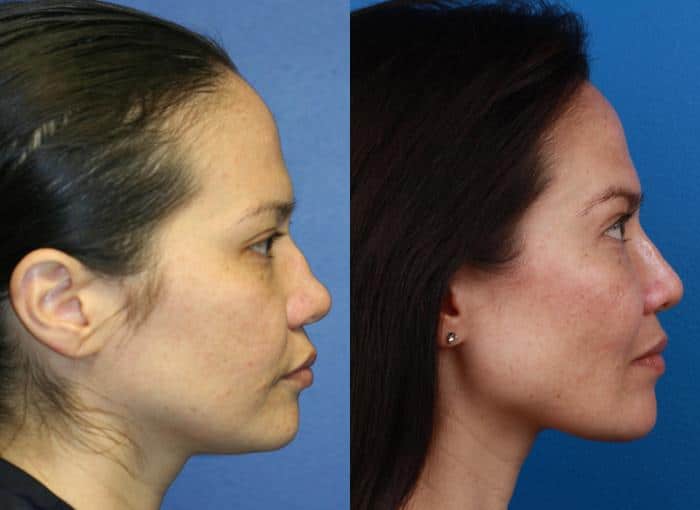
*Patient results may vary.
Are You A Good Candidate?
Ideal candidates for this procedure are men and women of Korean descent who are concerned about the appearance of their nose and are at least in their teens, non-smokers and in good physical health. Schedule a consultation with a qualified facial plastic surgeon to find out if you are a good candidate. This consultation will include a thorough evaluation of your nose and medical history, as well as a recommended plan to resolve your concerns.
Learn More About Korean Nose Reshaping Surgery in NYC
Schedule a consultation with Dr. Miller today to learn more about Korean nasal surgery. You can call us at (646) 791-3025 or fill out the contact form to be put in touch with a Patient Advisor who will answer your questions and help you on this new journey.
Next, learn about Hispanic rhinoplasty.
Asian Rhinoplasty in New York
Rhinoplasty is a surgery performed to alter the shape of the nose. Often, it is used to repair injuries to the nose related to accidents or congenital issues. It is also used to correct a drooping nose, narrow nasal tip, or other displeasing nose features.
Asian rhinoplasty, also known as an Asian nose job, is a cosmetic surgical procedure that can alter the structure and shape while maintaining the unique characteristics of an Asian nose. Due to the length, complexity, and significant components of the procedure, rhinoplasty is one of the most challenging reconstructive procedures.
Book A Consultation With Dr. Miller
Dr. Miller’s Approach to Asian Rhinoplasty
Asian nose jobs require extensive knowledge of rhinoplasty and ethnic nose characteristics for successful and natural results. The nose anatomy in Asian patients is different from other ethnicities. Philip J. Miller, MD, FACS, is skilled and experienced with the nuances of an Asian nose, such as a softer tip or thicker nostrils. Often, the focus of this surgery is to correct an Asian nose bridge with surgery or to use Asian rhinoplasty to treat a bulbous nose and refine the nasal tip.
While rhinoplasty is a highly individualized procedure, it requires even more precision and discussion for an Asian nose surgery to achieve balanced and natural results. Dr. Miller uses the NatraLook® process, which focuses on aesthetic confidence and empowerment for natural results. The method provides a safe, supportive, and positive environment to discuss personal desires and challenges to create a unified vision and treatment plan.
Asian Rhinoplasty Before and After


Am I a candidate for an Asian nose job?
Any healthy Asian adult who desires to alter the shape, size, or function of the nose can be a candidate for Asian rhinoplasty in NYC. Dr. Miller works closely with patients to identify their concerns and resolve undesirable nose characteristics while preserving a natural look. From extensive alterations and restructuring to minor changes, Asian nose plastic surgery can bring harmony and balance to the face.
Asian Nose Job FAQ
How much does Asian rhinoplasty cost in NYC?
The average cost for an Asian rhinoplasty procedure performed by a certified and skilled plastic surgeon in New York City is anywhere from $10,000-$20,000. This price is not exact, and the actual cost varies by person depending on the experience of the surgeon and the extent of the surgery. It is essential to find the best Asian rhinoplasty surgeon in your area, rather than going with the lowest price, to ensure the best possible results. Patients can learn more about the price of their procedure during their consultation with Dr. Miller.
How will the procedure go?
General anesthesia is typically recommended for surgical rhinoplasty to ensure a safe and comfortable experience. Dr. Miller offers open and closed rhinoplasty techniques that he can customize to the precise needs of each patient.
An open procedure requires an incision that separates the nostrils and provides access to remove and reshape the cartilage and bone. Dr. Miller might suggest an implant or graft to add volume in some instances. A closed procedure only requires a small incision inside the nose, resulting in less visible scars and a shorter recovery. An Asian nose rhinoplasty procedure takes about 2-3 hours, depending on the extent of alteration.
What does recovery look like?
Asian rhinoplasty is an outpatient procedure. Patients can return home on the day of surgery but will need someone else to drive them home and stay with them for the first 24-48 hours. A splint or taping may be applied to the nose for several days up to one week after surgery. Patients are advised to stay home and relax for one week before resuming most activities. Some patients experience swelling, bruising, and tenderness, which can last up to three months after surgery. Dr. Miller provides patients with individual recovery and aftercare instructions to ensure a quick recovery and seamless results.
Does it hurt?
Surgical rhinoplasty typically requires general anesthesia to make it a comfortable and painless procedure. After surgery, the nose can feel tender and sore for several weeks.
Will insurance cover my Asian rhinoplasty?
Cosmetic surgeries are considered elective procedures and not covered by health insurance. If there is a functional or medical aspect to the rhinoplasty, all or a portion of the surgery may be covered by insurance. It is important to speak with your insurance and our billing department after your consultation to understand the cost and responsibility of payment.
Schedule Your Consultation with a Rhinoplasty Expert in NYC
Dr. Miller is a renowned, double board-certified plastic surgeon with more than 20 years of experience in custom cosmetic treatment plans. As an innovative surgeon in Manhattan and an expert in rhinoplasty and facial rejuvenation, he provides unmatched treatments and natural results. Contact us to schedule a consultation and learn more about how to get the best Asian nose job in Manhattan today.
Book A Consultation With Dr. Miller
African American Rhinoplasty in New York
There is no one-size-fits-all approach to rhinoplasty. Each nose job must be tailored specifically to the individual, achieving natural-looking results that are in harmony with the patient’s face and ethnicity. African American ethnic rhinoplasty is a procedure designed to consider the specific and unique characteristics and concerns of African American patients.
African American nose jobs are a specialized area of facial plastic surgery. Dr. Miller understands that many patients wish to improve specific areas of their nose while maintaining their distinct ethnic features. His goal is to blend the patient’s overall facial features while achieving their specific aesthetic goals.
Although nasal shape and size vary widely from one individual to another, African nose types tend to be wide with a low bridge and a bulbous, under-projected tip. Patients seeking black rhinoplasty usually want to narrow and raise the bridge, define the tip, and narrow the base. African American noses fall into three groups based on ethnic heritage.
- The African nose: A short, wide African American nose with a concave bridge, under-projected and less defined tip, short columella (the skin between the nostrils), and wide, flared nostrils
- The Afro-Caucasian nose: A longer nose, with a high, straight bridge, more nasal tip definition, and less flared nostrils
- The Afro-Indian nose: A longer, larger nose, with a high, wide bridge that may have an irregularity like a hump, flared nostrils, and a less defined tip
Recognizing the nuances of African-American nasal anatomy is essential to preserve the patient’s ethnic heritage and avoid complications like keloid scar formation (raised scars more common in African-American patients).
Dr. Miller’s Approach to Black Rhinoplasty
You want the best African American rhinoplasty surgeon for your nose surgery – someone credentialed and experienced in the unique characteristics of the different types of black noses. Dr. Miller employs specialized techniques to perform African American nose jobs to achieve the desired results for patients while preserving their ethnic identity.
- Dr. Philip Miller is a world-renowned facial plastic surgeon operating out of his Manhattan, NY medical practice.
- He is double-board certified in both facial plastic and reconstructive surgery along with head and neck surgery.
- He has over 20 years of experience within the facial plastic surgery industry and has completed over 5,000 successful surgeries.
- He takes pride in blending art and science together to create beautiful, natural-looking results for his patients.
- He begins each procedure by first creating a customized treatment plan for the best possible results.
African American Rhinoplasty Before and After


Am I a Candidate for an African American Nose Job?
If you are at least 16 years old, a non-smoker, and in good physical health, you may be a candidate for African American rhinoplasty. The best way to determine your eligibility is to have a consultation with an experienced facial plastic surgeon who specializes in black nose jobs. After examining your nose, your surgeon will create an appropriate surgical plan to resolve your concerns while preserving the ethnic features of your nose and producing a natural, beautiful result.
African American Nose Job FAQ
How Much Does African American Rhinoplasty Cost in NYC?
Nose jobs for African Americans can cost anywhere from $6,000 to $25,000 in New York City. This is the average price for the area, but the true cost varies from patient to patient, depending on factors like the patient’s aesthetic goals, the length and involvement of the surgery, the surgeon’s experience, etc. The actual cost will be provided during your consultation. For more information on the cost of African American rhinoplasty, please contact Dr. Miller at his Manhattan, New York plastic surgery office.
What Should I Expect from my African American Rhinoplasty Procedure?
African American rhinoplasty involves manipulating and resetting nasal cartilage and bone to reshape and refine the nasal structure. Because the surgery is highly complex and requires meticulous attention to detail, it will typically take 3-4 hours for Dr. Miller to complete the procedure.
Before your surgery, Dr. Miller will determine whether an open or closed surgical approach will meet your needs best. If performing an open rhinoplasty, Dr. Miller makes a small incision in the columella –the piece of tissue that separates the nostrils. Also called external rhinoplasty, this technique opens the tip of the nose to reveal its internal structures.
An open nose job for African American patients provides enhanced visibility when maneuvering through the bone, cartilage, and tissue that make up the nose. When performing this highly common type of rhinoplasty, Dr. Miller can reshape the nose and repair damage without jeopardizing its structural support.
A closed rhinoplasty or endonasal rhinoplasty is an internal procedure in which all incisions are confined to the inside of the nostrils. Patients concerned about visible scarring might prefer a closed rhinoplasty. During the procedure, Dr. Miller carefully lifts the underlying bone, cartilage, and tissue through the nostrils, so you won’t be able to see any scarring.
Dr. Miller will choose an open or closed method depending on the patient’s goals, as well as the size and structure of the patient’s nasal passages.
What Does Recovery from Rhinoplasty on a Black Nose Look Like?
You can usually return to work and normal activities within three weeks, but you should refrain from strenuous physical activity for 3-6 weeks. You will begin to see the swelling and bruising disappear within 2-3 weeks, at which time you will start to appreciate the results. Full results usually take 6-12 weeks to be seen while your healing will continue for the entire first year. Dr. Miller and his team will follow you through this entire process, but please be patient to see the final results.
Does it Hurt?
In the hours immediately following your black nose job, you can expect to experience very minor pain in the nose and forehead region. Severe pain is extremely uncommon. Pain medication is provided and may be taken to alleviate these symptoms, although few find it necessary.
It is important to talk with your surgeon before your surgery. Dr. Miller will be able to set your expectations for your recovery and recommend specific after-care solutions to make your healing process as smooth as possible.
Dr. Miller will alleviate your concerns during your consultation. He developed his proprietary consultation process called NatraLook to enhance the patient experience and results. During the NatraLook consultation, he evaluates the patient’s nose and facial features while listening to their concerns and goals. This process expands the typical plastic surgery experience into a safe, collaborative environment where patients can explore their aesthetic confidence. This opportunity allows patients and Dr. Miller to create a unified vision for optimal results and the most natural outcome possible.
Will Insurance Cover My African American Rhinoplasty?
Depending on the reasons for having a nose job on a black nose, some or all of the procedures could be covered by insurance. If the reason is purely cosmetic, it is not covered, but if it is recommended to correct breathing issues, you may have some coverage for your procedure.
Schedule A Black Rhinoplasty Consultation in New York
To set up a consultation with one of the top African American rhinoplasty surgeons in NYC or New Orleans, LA, contact Dr. Miller today. We are happy to answer all your questions and help you determine whether black nose surgery is the right choice for you.
Dr. Miller’s Nasal Surgery Research and Scientific Papers
Structural Approach to Endonasal Rhinoplasty (view here)
Anil R. Shah, MD and Philip J. Miller, MD, FACS
New Developments in Nasal Valve Analysis and Functional Nasal Surgery (view here)
Philip J. Miller, MD, FACS and Dr. Minas Constantinides, MD, FACS
A Simple and Reliable Method of Patient Evaluation in the Surgical Treatment of Nasal Obstruction (view here)
Philip J. Miller, MD, FACS, Dr. Minas Constantinides, MD, and Dr. Susanne K. Doud Galli, MD, PhD
Book A Consultation With Dr. Miller
Ethnic Rhinoplasty
Revision Rhinoplasty in New York
An unfortunate reality of facial plastic surgery is that patients are not always satisfied with the final aesthetic outcome of an elective procedure. An inexperienced surgeon, the use of outdated techniques, a lack of doctor-patient communication, and complications that arise during the procedure or subsequent healing process can all impact the rhinoplasty result and become reasons for revision rhinoplasty.
When a nose job is performed to only create facial harmony by refining the size and shape of the nose, it can disrupt the pattern of airflow. Conversely, improvements in breathing may affect the look of the nose. Because of the intricacies of the nasal structure and the sometimes unexpected course of tissue recovery, rhinoplasty may produce unexpected or undesirable results.
Revision rhinoplasty is usually performed about a year after the surgery, and the costs of a secondary (or tertiary) procedure are higher than other types of rhinoplasty because of the increased difficulty (with every additional surgery, the tissues of the body become thicker and more difficult to work with, which makes obtaining the desired results is more of a challenge).
It is estimated that approximately 10-15% of patients who undergo cosmetic nose surgery will request a secondary procedure at some point. It is important to note that only a facial plastic surgeon should perform revision rhinoplasty. Manhattan New York facial plastic surgeon Dr. Philip Miller is known for his ability to produce the most natural and aesthetically appealing rhinoplasty results. He is also a skilled expert, with a high success rate, in correcting work performed by other plastic surgeons during revision rhinoplasty.
When is Revision Rhinoplasty the Right Solution?
During any facial cosmetic enhancement, patients may be presented with surgical limitations. Anatomy can impose parameters that might not be adjustable within the confines of the nose. In such cases where only less extensive improvements are possible, rhinoplasty patients may benefit from non-surgical rhinoplasty, where dermal injections enhance the appearance of the nose, or complementary procedures like mentoplasty (chin implant surgery).
Due to the lengthy healing process following rhinoplasty, patients should not undergo corrective surgery at our New York City surgery suite until the final results of the first procedure are fully visible. There are a number of solutions available for individual needs, but in the cases mentioned above, revision rhinoplasty may not be a viable option.
Revision rhinoplasty is, however, the best choice for patients who have remaining tissue that can be successfully modified through surgery. The procedure can also offer a permanent solution for nasal function issues, in cases of a deviated septum, nasal valve collapse, or irregular nostril shape. Dr. Miller may request patient records and X-rays from the former rhinoplasty surgeon to ensure a complete understanding of revision rhinoplasty cases.
Find out if revision rhinoplasty is right for you
Top Issues Corrected by Revision Rhinoplasty
While individual cases will differ, generally speaking, secondary cosmetic nose surgery can alter the shape, size, and function of the nose. A patient’s first plastic surgeon may not have removed enough tissue, and the nose may still appear too broad or over-projected. This follow-up surgery can also address a nose that is too wide. The first rhinoplasty may have produced unwanted side effects, like the build-up of scar tissue that must be surgically treated.
In results where too much tissue has been excised from the nose, the doctor may elect to use nasal implants or grafting techniques (commonly synthetic, animal-produced, or patient-derived) to rebuild the feature. In patients who suffer from nasal breathing issues, the doctor may opt to perform a septoplasty (deviated septum repair) or other reconstructive techniques to address anatomical concerns.
Issues that warrant revision rhinoplasty might include pinched nostrils, a progressive nasal obstruction, or scar tissue formation during the healing process. Sometimes additional surgery is required if the initial surgery did not achieve the patient’s goals.

Pinched Tip
A “pinched tip” is a frequent complaint of rhinoplasty patients, where the end of the nose appears compressed or “pinched,” resulting in less-than-ideal facial aesthetics and impaired breathing. The “pinch” is due to too much cartilage being removed from the tip of the nose. Over time, the tip loses support resulting in the “pinched nose” appearance, a collapse of the nostrils’ shape, and the illusion of a persistent bump.
Short Nose
Following rhinoplasty, some patients experience a “short nose” trait due to the removal of too much cartilage. This condition is often corrected by reinstating cartilage to establish support, and by using specialized grafts to restore a more natural-looking shape.
Crooked Nose
The “crooked” or “twisted nose” is typically derived from a nasal trauma and can sometimes persist even after the first rhinoplasty procedure. Revision rhinoplasty will rearrange the cartilage and bone to create an aesthetically pleasing, symmetrical look. Dr. Miller owns a unique technique for correcting the crooked nose problem that he has presented at rhinoplasty conferences around the United States


NatraNose®
Dr. Miller’s approach to rhinoplasty encompasses the NatraLook® Process, which optimizes the patient experience and strives to ensure the most rewarding results. The goal of this process is for patients to find new aesthetic confidence, or empowerment, after their surgery. It all starts at the consultation, when Dr. Miller will reassure and support your opinions in a positive way, creating a collaborative environment that keeps you involved in your procedure.
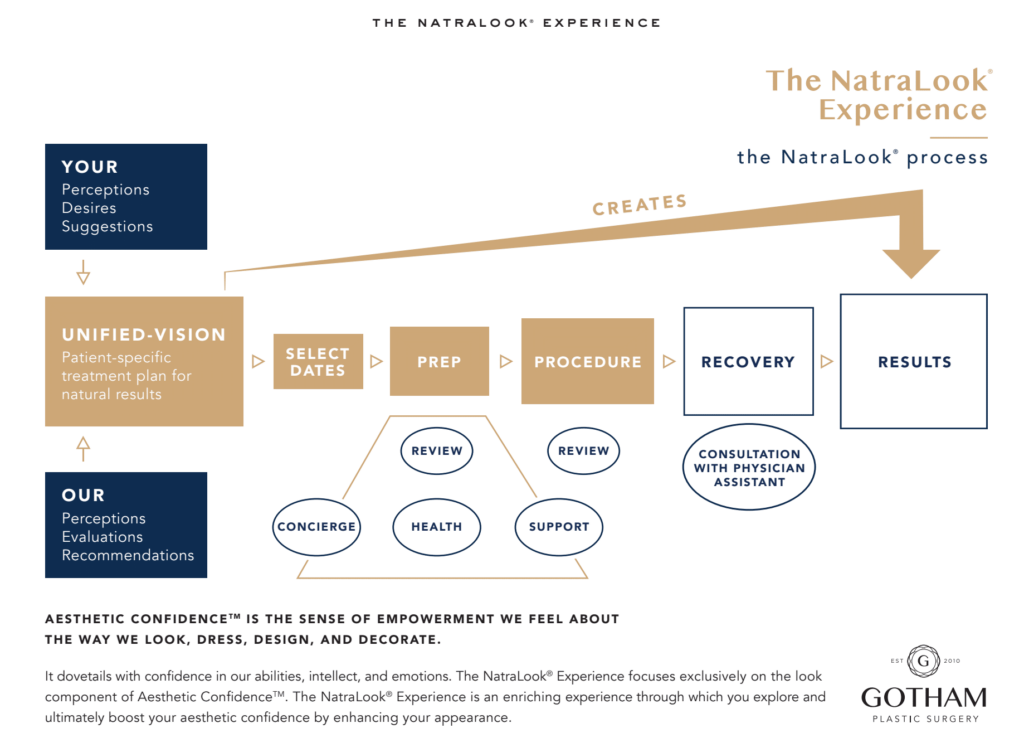
The consultation, at Dr. Miller’s rhinoplasty clinic in New York City, is the most important step in your rhinoplasty journey and the factor that will lead to nose surgery satisfaction. It is an excellent time to discuss your expectations and concerns, address any questions, and figure out what you want to take away from your surgery.
Additionally, Dr. Miller will examine and assess your nose and how it relates to your other facial features. He will also evaluate the thickness and quality of your skin. Computer imaging may also be used to help give you an idea of the changes that can be made to your nose and what you can expect from surgery. He will also review your medical history and overall health.
All details of the procedure will be reviewed, including the available options and rhinoplasty techniques, the facility, the anesthesia, the recovery, the risks and benefits, and the costs. Together, you and Dr. Miller can come up with a realistic goal for surgery with his NatraNose approach.
The Revision Rhinoplasty Surgery in New York City
Revision rhinoplasty is performed through an open or closed surgical approach here at our Manhattan facility, similar to primary rhinoplasty. In the closed approach, minimal additional scarring will be visible since the incision is created inside the nose and the work takes place through nostril access. When correcting the results of prior surgeries, it may be necessary to use an open approach with the incision created on the exterior of the nose between the two nostrils. This technique allows for better visibility so the surgeon can see and access the existing issues.
Revision rhinoplasty specialist, Dr. Miller will discuss more specific fixes with patients during a consultation at his New York City office. Some common changes are the removal of bone and cartilage when treating a nasal hump formation, and rebuilding tissues with cartilage when depressions form in the skin.
In instances where the requested fixes are relatively minor, a local anesthesia may be utilized for revision rhinoplasty, while general anesthesia or sedation is typically reserved for more extensive corrections. At the close of the surgery, a protective splint will be placed over the patient’s nose to protect it from damage and help maintain the shape during the critical first week in healing. Both bridge and septum splints will be removed one week postoperatively. Sutures will be taken out several days after the procedure.
Revision Rhinoplasty Recovery: Be Careful
Secondary nose job patients may experience some difficulty breathing during the first 1-2 weeks of the recovery period, which is largely due to swelling. Both inflammation and bruising typically occur around the eyes as well. Prescription pain medications can control any pain or discomfort that may be present during healing.
Normal activity is resumed by most patients at around the 10-day mark, though exercise and heavy lifting should be avoided for about 3 weeks. Contact sports, or any activity that could cause trauma to the nose, should be avoided until after the bones have fully healed in 6 weeks.
Revision Rhinoplasty Following a Healed Rhinoplasty
Most doctors will request that patients wait about 12-18 months before undergoing secondary nose surgery. The healing process after the initial rhinoplasty is lengthy and the duration can vary. In addition, the nose will not take on its final form or function for some time. Swelling can take many months to subside, causing the nose to appear larger or of a different shape than it will truly be.
A revision surgery that is performed too soon can result in further disappointment in the look of the nose. Added trauma to an already healing nose and an incomplete recovery can negatively impact the outcome of future facial plastic surgery. Patience is vital during the healing process.

Revision Rhinoplasty Alternatives
Revision rhinoplasty is common when a surgeon makes an error during the procedure or unexpected complications arise. At times, due to the extensive nature of a reconstruction or repair, a patient may understand that revision rhinoplasty is highly likely. When the nose is affected by genetics, disease, or trauma, a patient may require multiple procedures to restore or improve their looks. Often times, reconstructive procedures occur in stages, and it is possible that some patients may undergo one or more revision rhinoplasties to obtain the best cosmetic results.
Revision Rhinoplasty Detailed FAQ
Q: Is revision rhinoplasty painful?
A: Dr. Miller will prescribe pain medication to patients as a precautionary measure, but most report very little discomfort associated with the procedure. There may be some nasal congestion or sinus pressure that can be relieved by non-narcotic medications. More information can be found here.
Q: How many revision rhinoplasty surgeries can be completed on a patient’s nose?
A: While there is technically no limit because the tissue will be manipulated and sometimes removed during each surgery, each case will vary. Revision rhinoplasty becomes more complicated with each procedure, and patients should choose a board-certified facial plastic surgeon who specializes in these cases. The nose is a delicate feature and even small changes by the millimeter will create significant changes. Dr. Miller has a high success rate and should be able to revise the nose during a single surgery.
Q: Who are the best candidates for reliable revision rhinoplasty?
A: Prospective patients seeking to undergo a secondary nose surgery should have a fully developed nose, which will have typically stopped growing in a person’s mid to late teen years. The individual should be healthy and fully healed from the initial procedure. Candidates should have realistic expectations about the changes Dr. Miller can create.
Q: How long will the exact surgery last?
A: Revision rhinoplasty cases in NYC often require 2-3 hours to complete. In more complicated cases, there may be additional time needed for the surgery.
Q: Is the recovery different from the first rhinoplasty procedure?
A: As with the initial procedure, revision rhinoplasty will require approximately 12-18 months for a full recovery. In cases where Dr. Miller has harvested a patient’s own cartilage (sources may be the ears or ribs), there may be some discomfort at these sites as they heal too. There may be additional swelling with the addition of nasal implants or the removal of extra material, especially if the first surgeon took a very conservative approach.
Q: Will insurance cover revision rhinoplasty?
A: When the facial plastic surgery, or a portion of the surgery, is performed to improve nasal breathing, insurance may pay for those specific costs. Dr. Miller’s office can contact the patient’s insurance company for an estimate of care to determine what the patient’s responsibility will be.
To learn more about revision rhinoplasty, visit med.stanford.edu.
The Best Revision Rhinoplasty Surgeon in NYC: Philip Miller, MD, FACS
Revision rhinoplasty specialist, Dr. Philip Miller has over two decades of experience in cosmetic medicine, a high success rate of facial plastic surgery procedures, and has been voted among the Best Doctors in America for the past 10 years and Top Doctor of New York City. Dr. Miller is sought after for his innovative techniques in both rhinoplasty and revision rhinoplasty, which he has lectured and written textbook chapters on. Contact Dr. Miller’s Manhattan office to schedule a revision rhinoplasty consultation.