Tips for Choosing Your Facelift Surgeon

Where to Start Looking
Sure, you can Google it, but looking for a reputable facial plastic surgeon is a lot easier when you focus in your efforts. Go to the websites of the American Board of Plastic Surgery or the American Academy of Facial Plastic and Reconstructive Surgery, for example, to find specific results about the credentialed surgeons in your area who are licensed to perform facelifts. Not only does this take out much of the guesswork for you, but it will also save you a whole lot of time. Search by zip code or by name to locate facial plastic surgeons and then narrow your results from there. Make sure that the surgeons you look up are specifically facial plastic surgeons instead of general surgeons.
Certifications, Education, and Training
Before you step foot in your facial plastic surgeon’s office, you need to verify that he (or she) has all of the right qualifications to perform your surgery. If you’ve found your surgeon through the specialized websites above, you’re halfway there. Now, you can visit the American Board of Plastic Surgery to check the doctor’s board certification records and other documents. Contact your state to confirm that your intended surgeon’s medical license is still valid.
Finally, visit the doctor’s website as well to gather more personal information about him, where he comes from, where he was education, in what specialty he performed his residency, etc. If you’re comparing several potential facial plastic surgeons, you may discover something about one doctor that really speaks to you, helping you to make your decision.
Patient Satisfaction and Results
Through websites like RealSelf, you should be able to read real patient reviews about your intended facial plastic surgeon’s work. Many surgeons also post reviews to their own websites, as well as before and after photos of actual surgeries. You might ask around to learn more about this specific doctor or check in with your own physician to learn more about his reputation, if possible. There’s rarely anything better than patient reviews to speak for a facial plastic surgeon’s real abilities, so get as much information as you can.
Meet for a Consultation
Sitting down for a one-on-one facelift consultation is both the final step in choosing your facial plastic surgeon and the first step toward your facelift surgery. During this meeting, you will have an open conversation about the procedure, how it could benefit you, and also why you should work with this surgeon for the procedure. You will have a chance to ask your facial plastic surgeon questions about his background, patient history, and specific training, if you so desire. For many prospective patients, hearing the answers from their doctor can help to put them at ease and agree to move forward. If you still have unanswered questions, don’t be afraid to bring the list to your consultation and start asking away!
Make Dr. Miller Your Top Choice
Choosing the right facial plastic surgeon to perform your facelift procedure will both maximize your results and minimize your risks as a patient. Dr. Philip Miller in NYC has specialized exclusively in facial plastic surgery, offering over 20 years of experience and knowledge to his patients.
A recognized expert in facial rejuvenation procedures, Dr. Miller has been frequently invited to share his specific techniques with his peers at various national facial plastic surgery meetings. He has been voted among the Best Doctors in America each year since 2007 and has also been named a Top Doctor of New York. To schedule a consultation with Dr. Miller, contact his office located at 60 East 56th Street, Third Floor in New York City, by calling (646) 791-3025.
Next, read our blog, Keeping Your Nose Job a Secret.
Keeping Your Nose Job a Secret
Plan It Right
If you don’t want anyone to see you with your nose cast and your bruises, you’re going to need a good strategy for when to have your surgery. Sit down with your facial plastic surgeon and lay out your schedule. If you’re trying to keep the surgery a secret, then you need to plan around all of the big events you’re supposed to attend. You don’t want to miss something important; that always looks suspicious. Instead, try to work around your busy calendar. Choose a date for your surgery that is at least three weeks out from a special event, six weeks out if it’s an athletic event where you’ll be expected to participate. That should give you enough time to heal so people won’t immediately notice the changes to your nose. Instead, they might wonder, “What looks different about you today?” And that’s good enough!
Keep It Subtle
Of course, the more dramatic changes you make to your nose, the harder it will be to keep it a secret. If your surgical changes are more subtle, like a slight widening of the nostrils or rounding of the tip, it’s a lot easier to leave people wondering. On the other hand, if you walk into a room for the first time in six weeks with an entirely different nose, people are going to start talking about the “work” you’ve had done. Obviously, if drastic changes are necessary, you’ll have to work around this. Your happiness should always come before what other people will think of you. It’s really none of their business anyway, right?
Change Something Else
The ultimate rhinoplasty-hiding tactic is to distract your audience with something more dramatic. After all, a successful plastic surgery is something to celebrate. It’s a time of great change, a time to embrace that change. Why not get a daring new haircut? Unveil your weight loss in a stunning new outfit. Maybe just try a new lipstick out for the first time. When you make your debut with your new nose, have something else prepared to draw the attention away from your rhinoplasty. By the time the night is over, no one will even remember what they were going to ask you about.
Plan Your New York Rhinoplasty the Right Way
Get the dramatic or subtle results you want from a facial plastic surgeon who can guide you along the way from your consultation to your first post-rhinoplasty event. Dr. Philip Miller has specialized exclusively in facial plastic surgery, offering over 20 years of experience and knowledge to his patients.
A recognized expert in rhinoplasty, Dr. Miller has been frequently invited to share his specific techniques with his peers at various national facial plastic surgery meetings. He has been voted among the Best Doctors in America each year since 2007 and has also been named a Top Doctor of New York. To schedule a consultation with Dr. Miller, contact his office located at 60 East 56th Street, Third Floor in New York City, by calling (646) 791-3025.
Next, here’s What to Expect from your Rhinoplasty Consultation
Rhinoplasty, chin implant, and fat grafting for facial enhancement by Dr. Miller
Tips to Minimize Your Post-Op Facelift Risks

Risk #1 – Reaction to Anesthesia
Facelift surgeries are most often performed under general anesthesia, which can carry some mild risks for patients. There is a potential for an adverse reaction to anesthesia, but this is typically very short-lasting in nature. Facelift patients who do react most often experience some nausea and sickness as the drug wears off. The whole process should last only a few hours.
While there’s not much you can do to prevent a mild reaction to the anesthetics used during your facelift, you should communicate any serious concerns you have about it to your surgeon. If you have had a more serious reaction in the past, speak up. You should also disclose all of your current medications, vitamins, supplements, tobacco use, and alcohol consumption to your facial plastic surgeon ahead of time. Any of these could negatively interact with your anesthesia and expose you to more serious risks.
Risk #2 – Bleeding Issues and Hematoma
It is common for facelift patients to experience some bleeding after their procedure, but sometimes this normal side effect becomes more serious. Rarely, excess bleeding may occur after facelift surgery. If untreated, this can lead to a hematoma, a more complicated type of bleeding that occurs beneath the skin.
Avoiding this dangerous post-operative complication begins with an open dialogue between patient and surgeon. You may be at an increased risk of hematoma if you:
- Have high blood pressure or hypertension.
- Use blood thinners.
- Are taking herbal medications.
- Are taking ibuprofen, aspirin, or a similar form of pain medication.
- Smoke.
Talk about your risk factors for bleeding and hematoma with your doctor so you can work together to develop an appropriate surgical plan that will keep you safe and healthy. After your facelift, alert your surgeon if you experience nausea and vomiting at all, as this increases pressure on the incision site and can lead to bleeding complications later. Finally, follow your doctor’s post-operative instructions carefully to be sure you have minimized your risk factors for this complication.
Risk #3 – Post-Operative Infection
An infection is a risk following any surgical procedure and can be caused when bacteria is transferred from the skin’s surface, through the incision, and inside the body. Since you can’t be awake to supervise your own facelift surgery, you want to work with a facial plastic surgeon you trust to take every measure necessary to prevent a potential infection.
Surgeons have many ways to cut down on the risk of infection before, during and after your procedure. First, he may opt to administer a single dose of antibiotics to be proactive against any potential bacteria transfer. The area around your incision sites will be cleaned thoroughly with an antibacterial agent in order to eliminate potential threats. Your surgeon and all those assisting with the procedure should wear proper surgical gloves, masks, and clothing at all times while in the operating room. All of the tools used should be sterilized as well to prevent the passing of infection between patients. Finally, when your facelift is complete and your incisions sutured shut, your face will be bandaged appropriately with clean dressings to protect the area from outside contaminants while it heals.
Choose a surgeon with a proven history of success with his facelift patients and who has also demonstrated a good working knowledge of safe techniques and methods for preventing infection. During your consultation, ask your surgeon directly what steps he will take to clear up any of your worry.
Find the Right Surgeon for Your Facelift
Of course, there are other minor risks associated with the facelift procedure, including nerve damage, healing problems, and scarring. By choosing a credentialed, experienced plastic surgeon, you can minimize all of the risks associated with a facelift procedure. Dr. Philip Miller has specialized exclusively in facial plastic surgery, offering over 20 years of experience and knowledge to his patients.
A recognized expert in facial rejuvenation procedures, Dr. Miller has been frequently invited to share his specific techniques with his peers at various national facial plastic surgery meetings. He has been voted among the Best Doctors in America each year since 2007 and has also been named a Top Doctor of New York. To schedule a consultation with Dr. Miller, contact his office located at 60 East 56th Street, Third Floor in New York City, by calling (646) 791-3025.
Facelifts and Neck Lifts Fight Tech Neck

What’s Causing Tech Neck?
Tech neck is officially defined as a condition involving loose skin, lines and wrinkles, skin folds, and a double chin. Take a look at someone who is staring down at a smartphone in his hand and observe the concessions the skin and tissue make in this position. Now, imagine the creases of that tissue arrangement becoming permanent. Tech neck only adds to whatever existing concerns you may have about your aging appearance.
This strange beauty phenomenon is starting to spread as more and more people discover that their addiction to technology is taking its toll. Newly formed double chins, neck creases, and jawline folds have all begun as a result of bending over your smartphone or tablet. The position is much different from that used at a laptop or desktop computer, since the screens are flat and often lying on a surface below eye level. Reading your tablet on the surface of a desk requires a unique positioning of your face and neck. If you spend a lot of time in this position, you’ve probably started to notice some new creases here and there.
How Can You Reverse Tech Neck?
Not a fan of that new wrinkle pattern? While giving up your tech devices forever might sound extreme enough to make a difference, it can’t fix any damage that has already been done. Looking ahead, you might try to make an effort to read your smartphone and tablet screens when they are at eye-level or elevated above you, but even that won’t erase those creases.
A combination facelift and neck lift procedure might be the best way to undo what’s been done by your prized technology. The dual surgery is a great way to address loosening skin, creases, and even double chins. The objective is to diminish the appearance of wrinkles, add smoothness and tautness to the skin, and create a more youthful profile. Tech neck symptoms will be banished by this procedure, leaving you with the clean slate you need to help you change your screen-reading habits.
What Is Facelift Surgery Like?
A facelift in NYC is performed in order to enhance the contour and appearance of the lower portion of the face. Typically, the surgery is performed under general anesthesia and lasts about three hours. During a traditional facelift, incisions are made along the hairline, extending in front of and behind each ear, then continuing to the lower scalp. If you’re having a limited facelift, the incisions will be shorter and concentrated just around the ear. Your surgeon will discuss his recommendation for either a traditional or limited facelift approach for your surgery during your consultation together.
Once the incisions are made, the two procedures continue in the same way. The underlying sheet of facial tissue will be tightened for more support. Excess fat cells will be collected from the lower portion of the face and then redistributed or removed, as needed. The skin is then re-draped, the excess skin is trimmed away, and the incisions are sutured closed. The end result of the procedure is a profile that is more refined and more youthful, as well as free of some of the signs of Tech Neck.
What Is Neck Lift Surgery Like?
To completely eliminate the effects of Tech Neck, you will likely need to add a neck lift onto your facelift procedure. This surgery will address the extra folds and sagging skin that has occurred beneath the chin and jaw. This surgical pairing is an ideal way to attack the folding and skin sagging that can occur above and below the jawline.
During a neck lift procedure, your incisions will be placed behind your ears, with an optional extra incision sometimes used beneath the chin. The skin, muscles, and underlying tissue of the neck will all be manipulated to have an improved shape and contour. Any deposits of excess fat will also be suctioned away for a smoother overall look. Your double chin, skin folds, and other unwanted side effects of Tech Neck will be gone once and for all. Well, provided you are able to read your smartphone in a different, less problem-causing position, that is.
Where Can I Get More Information?
Don’t let your bad tech habits ruin your good looks with extra wrinkles and skin folds. Plan a surgical procedure that will combat these unwanted effects by consulting with an experienced facial plastic surgeon. Throughout his career, Dr. Philip Miller has specialized exclusively in facial plastic surgery, offering over 20 years of experience and knowledge to his patients.
A recognized expert in facial rejuvenation procedures, Dr. Miller has been frequently invited to share his specific techniques with his peers at various national facial plastic surgery meetings. He has been voted among the Best Doctors in America each year since 2007 and has also been named a Top Doctor of New York. To schedule a consultation with Dr. Miller, contact his office located at 60 East 56th Street, Third Floor in New York City, by calling (646) 791-3025.
Next, learn How to Guarantee the Best Facelift Results
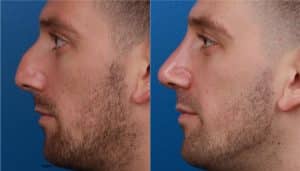
Rhinoplasty to enhance nose three months post-op by Dr. Miller.
What to Expect From Your Rhinoplasty Consultation

Answering the Tough Personal Questions
There is no such thing as a reputable plastic surgeon willing to perform surgery on a patient who hasn’t provided a complete medical history. While your latest dental work might not seem relevant to you, it might make a difference to your surgeon. Remember that you’re not the expert here, so it’s better to provide too much information rather than too little. You never know which of the tiniest details might make the difference that gets you the results you really want from your rhinoplasty.
Before your consultation, take some time to reflect upon and list out your medical history. Start by including your current and past medical conditions, any known drug allergies you have, and all of your previous medical treatments. Any of these could increase your risk factors during rhinoplasty or cause delayed healing. Make a list as well of all your current medications, the vitamins and herbal supplements you take, and your usage of alcohol, tobacco, and other drugs. Previous surgeries will also be a key discussion point during your consultation, so include even minor operations on other parts of the body. Your surgeon will get a better idea of how your body responds to surgeries based on what you are able to tell him.
With all of this new information, your surgeon will evaluate you to determine your general health, any risk factors you may have, and your eligibility for the procedure. If you are able to receive the surgery, the consultation will continue. If not, your surgeon will be able to discuss any potential issues and advise you on the best course of action. To learn more about how to prepare for your rhinoplasty, click here.
Talking About the Rhinoplasty Results
Your plastic surgeon wants your input about the nose you’d like to have when your rhinoplasty is finished. The only way to guarantee successful results in line with your own desires is to be prepared to talk about it with your surgeon. By sharing honestly your thoughts about your nose and what you’d like to see changed, you will communicate with your surgeon about the areas that are most important to you. From these expectations, he can design the best surgical plan for your nose to create a more pleasing, proportional, and appropriate shape. He will make these recommendations to you, sometimes presenting you with options for your nasal surgery.
In addition to discussing your expected results and plans for surgery, the surgeon will take measurements of your face and nose for more specific information. He will examine the nose and face, take photographs, and project the results he expects to see from your surgery. In many cases, the surgeon will be able to use before-and-after photos of previous patients to create a visual of what’s to come for your new nose shape.
Asking the Tough Questions
While the focus of the consultation will be on you and your nose, this meeting time is also an important way for you to make the final decision about whether this surgeon will be the right choice for your surgery. Before your consultation, write down a list of questions you have about the doctor’s training and experience, the procedure itself, what will be asked of you, and what you can expect from the entire process. As the surgeon talks, you may find answers to this questions right away. Feel free to ask any of the remaining questions on your list when the time is right. Any experienced plastic surgeon will be expecting you to be thinking critically about this important choice, so you won’t be seen as rude or offensive. Keep your questions direct and tactful to encourage a dialogue between you and the surgeon and you’ll get all the answers you need to set your mind at ease.
Once you have decided that rhinoplasty and this surgeon are right for you, it’s time to begin the real planning for your surgery. You’ll set a date together that allows enough recovery time for you. Then, before you leave, you’ll be given information on what you can do to prepare for surgery, minimize your risk of complications, and experience the smoothest and quickest recovery possible. Together you and your surgeon will design the perfect plan to help you achieve the nose you’ve always wanted. To learn more about rhinoplasty, visit medlineplus.gov
Go Ahead and Book Your Consultation
For a pleasant consultation experience and the best rhinoplasty results possible, choose a facial plastic surgeon with a proven history of satisfied patients and successful surgeries. Dr. Philip Miller has specialized exclusively in facial plastic surgery and offers over 20 years of experience and knowledge to his patients.
A recognized expert in rhinoplasty, Dr. Miller has been frequently invited to share his specific techniques with his peers at various national facial plastic surgery meetings. He has been voted among the Best Doctors in America each year since 2007 and has also been named a Top Doctor of New York. To schedule a consultation with Dr. Miller, contact his office, located at 60 East 56th Street, Third Floor, in New York City, by calling (646) 791-3025.
Next, learn about The Many Benefits of Rhinoplasty
How to Guarantee Your Best Facelift Results

Tip No. 1 – Understand Your Motivation and Expectations
When you want a facelift, you might be thinking “I just want a facelift.” Going into detail on why you want, or perhaps think you need, that facelift can help you to clarify your procedure and your goals. Study your face in the mirror to pinpoint just what it is that concerns you the most. Is it the fine lines around your mouth or the excess skin at your jaw? Do you have jowls forming? Has fat shifted downward, collecting around your chin? Take a look at your face and note the specific offenders. When you meet with your surgeon, you’ll have very specific areas to discuss with him. This helps you to have a clearer idea of your ideal results; it also helps the surgeon to develop a plan for addressing your concerns.
Tip No. 2 – Evaluate Your Emotional State
Entering into any cosmetic surgery without thinking long-term about your emotions can be detrimental. Sometimes people jump into surgeries like a facelift when they’ve just been delivered tough news, like divorce papers or a recent death in the family. Sometimes it’s a knee-jerk reaction forpeople to seek dramatic changes, but doing so surgically can have terrible effects long-term for your emotional health. If you must make a change, try something impermanent like a haircut until you’re a bit removed from the life event. Never enter into any surgery unless you know you’re emotionally fit to make big decisions; this can save you costly do-overs in the future and lots of anguish in the meantime.
Tip No. 3 – Build Your Supporting Cast
Especially if you have the added responsibilities of a family and pets, taking the time to rest after a surgery can be difficult. If you’re going to achieve your best facelift results, you have to be wholly committed to the healing process from beginning to end. Make close friends and family members aware of your surgical intentions and your need for help throughout the process. You may be surprised how many will be willing to help you by babysitting, pet-sitting, running basic errands, or keeping you company while you’re relegated to the couch. Don’t be afraid to ask for help when you need it. These supporting cast members might be the difference you need to get your ideal facelift results.
Tip No. 4 – Know the Risks and How to Minimize Them
All surgeries carry some degree of risk along with them. This is unavoidable, but opening yourself up to these potential complications can definitely be avoided. Talk with your plastic surgeon during your consultation about what specific risks you may be facing following your procedure, from infection to excess scarring or anything else. He will be able to give you specific advice on how to keep yourself as safe and healthy as possible, while the face heals after surgery. Just by choosing a reputable facial plastic surgeon with extensive experience in the field you have already lowered your risk of facelift complications. To learn more about facelift, visit medlineplus.gov
Tip No. 5 – Choose the Right Surgeon
As mentioned above, the proper plastic surgeon can make a tremendous difference in the success and safety of your facelift procedure. Don’t be afraid to ask questions during your consultation to determine if the surgeon in question meets your qualifications. If he or she feels like a bad fit, don’t shy away from choosing a different surgeon to consult with about your procedure. You will eventually find the right surgeon for you.
When it comes to choosing a facelift surgeon, it helps to start with a recognized expert in the field. Dr. Philip Miller has specialized exclusively in facial plastic surgery, offering over 20 years of experience and knowledge to his patients. He has been voted among the Best Doctors in America each year since 2007 and has also been named a Top Doctor of New York. To schedule a consultation with Dr. Miller, contact his office located at 60 East 56th Street, Third Floor in New York City, by calling (646) 791-3025.
Next, learn Why you Should Fix a Broken Nose
The Many Amazing Benefits of Rhinoplasty

Physical Benefits of Rhinoplasty
There are various reasons why rhinoplasty is one of the top-performed plastic surgery procedures today. Men and women looking for cosmetic enhancement might choose rhinoplasty if they are concerned about one or more of the following:
- Nose Reduction: A large nose can overpower your other facial features, while a small nose can make your other features look too prominent. Size correction brings all the features into balance, creating a more aesthetically-pleasing appearance.
- Alar Tip: Whether your tip is bulbous, drooping, or pinched, these issues can detract from the overall beauty of the face. Tip refinement is a common reason Dr. Miller performs rhinoplasty, whether it is a single concern or combined with other types of correction. Tips can be reshaped, resized, and rotated to create the best possible result.
- Nasal Dorsal Humps: A hump or bump on the dorsal bridge affects your profile and your confidence. These dorsal humps can make the nose look bigger than it is and even affect the nasal tip. Trimming away a dorsal hump can dramatically improve the look of the nose.
- Wide Nostrils: Even the size and shape of the nostrils can impact the look of the nose. Rhinoplasty can also make adjustments here to create better proportion between the bridge and base of the nose. In some cases, surgery that focuses solely on the nostrils (alarplasty) is all that is needed to achieve the desired effect.
- Pollybeak Deformity: A pollybeak deformity is a type of deformity where the tip of the nose has a drooping downward curve. This combined with a large supratip at the bridge of the nose creates a similar appearance to that of the beak of a bird, hence the name pollybeak deformity. However, with the expertise of a skilled rhinoplasty surgeon, this can be fixed through a well performed nose surgery.
- Saddlenose Deformity: A saddlenose deformity is a nasal condition that is most noticeably characterized by a lack of height or depth at the nasal dorsal. Through a rhinoplasty, an expert surgeon such as Dr. Philip Miller can reshape the nose and reduce the amount of depression in the nose.
- Hanging Columella: A hanging columella is characterized by the skin between the two nostrils hanging below the nose. There are varying degrees of how far the columella sags below the nostrils, but through a rhinoplasty, this can be treated by an expert facial plastic surgeon.
- Asymmetrical Nose: Crooked noses, uneven nostrils, or other minor imperfections can have a significant effect on the overall appearance of the nose. In some cases, these asymmetries can also affect your nasal function. Both form and function can be addressed in a single procedure, boosting your confidence and helping you breathe more easily.
If you don’t see your complaint about your nose on this list, that doesn’t mean it can’t be corrected by rhinoplasty surgery. Consult with a facial plastic surgeon, such as Dr. Philip Miller in New York, about your specific nasal issue to get started on the road to correcting it.
Health Benefits of Rhinoplasty
Many people want to breathe a little easier in life and that’s not just an expression anymore. In fact, your local pharmacy is probably chocked full of different products that can improve your breathing, from nose strips to humidifiers to saline nasal sprays. We all want to find an easier way to improve our own oxygen flow. For many patients, rhinoplasty can accomplish this goal just by making changes to the airways. Correcting a deviated septum and widening the nostrils are just some of the ways that a surgeon can take steps to your easier breathing.
Obviously, breathing better can cause a ripple effect on your health, even leading toward a better night’s sleep. If you’ve been suffering from breathing problems, then you know how troublesome they can be. When sleep apnea is caused by some kind of nasal issue, rhinoplasty can both improve your breathing and your sleeping patterns by eliminating the problem surgically. To determine if rhinoplasty could help you sleep more easily, talk to your primary care physician and facial plastic surgeon for a complete look at your health issues and the right solution to them. To learn more about rhinoplasty, visit medlineplus.gov
Emotional Benefits of Rhinoplasty
Whether you’re choosing rhinoplasty to correct the form or function of your nose, you’re going to notice the amazing change this surgery will cause for your emotional health as well. In fact, rhinoplasty can touch many parts of your life, leading to an improvement in self-confidence and ending negative talk you have about yourself. Of course, all rhinoplasty patients should enter into their surgery with realistic goals for their surgery and a full understanding of the implications of surgery. No procedure can fix emotional damage unless you are open to the healing process yourself, but rhinoplasty could give you the tools you need to begin. Look for your rhinoplasty results to impact you in several ways:
- Changing your personal view of yourself. If you’ve centered a lot of your negative energy toward a nose you can’t stand, rhinoplasty can give you some relief and allow you to shift your attitude.
- Better self-confidence and self-esteem. Once you start to feel good about the way you look after your rhinoplasty heals, these good feelings start to shine through you.
- Workplace success. Especially if you’ve gained some new confidence from your new nose, your career outlook might start to improve. Your attitude drives how others perceive you, especially your coworkers and your boss.
- End bullying. Especially for teens, rhinoplasty can help correct a nasal issue that has attracted negative attention from school bullies. While the behavior is wrong to begin with, it can be very painful for a teen to endure. Rhinoplasty could provide a solution under extreme circumstances.
Rhinoplasty is certainly not a magic cure for the bad feelings you might have about your appearance, but with realistic expectations, the support of your friends and family, and the right facial plastic surgeon, it could be the beginning of your road to better emotional health.
Start Benefiting From Your Own Rhinoplasty
If you want your nose job results to give you these amazing benefits, start by consulting with a facial plastic surgeon experienced with rhinoplasty surgeries and different types of patients. Dr. Philip Miller has specialized exclusively in facial plastic surgery, offering over 20 years of experience and knowledge to his patients.
A recognized expert in rhinoplasty, Dr. Miller has been frequently invited to share his specific techniques with his peers at various national facial plastic surgery meetings. He has been voted among the Best Doctors in America each year since 2007 and has also been named a Top Doctor of New York. To schedule a consultation with Dr. Miller, contact his office located at 60 East 56th Street, Third Floor in New York City, by calling (646) 791-3025.
Can You Be Addicted to Rhinoplasty?

Specific Reasons for Rhinoplasty
The reason for your very first rhinoplasty can set the tone for your attitude afterward. Many patients are able to voice specific concerns about their noses, such as a humped bridge, nostrils that are too wide, or a bulbous tip. Being able to discuss specific aspects of your nose with your facial plastic surgeon is a very healthy sign. It means that you have certain, hopefully attainable, goals for your surgery. Once you know your goals, you can talk directly about them with your surgeon and eliminate any chance of miscommunication. When you get the results you want from your first surgery, you are less likely to start looking for a second surgery.
Body Image and Rhinoplasty
When addiction to rhinoplasty, or any cosmetic procedure, occurs, the number one problem is the patient’s negative body image. When patients have a harder time explaining what they want to improve, or can’t seem to find positive aspects of their look, this could be a sign of a larger problem. A condition known as body dysmorphic disorder could be at play, which ultimately means that no change can really make him or her happy. With this disorder, patients focus on the negative aspects and often cannot find satisfaction from anywhere. Despite achieving the exact rhinoplasty results they discussed during a consultation with a facial plastic surgeon, patients with this disorder will find something to be unhappy about. Addiction can result if these patients don’t seek therapy or talk about their problem openly with their surgeon.
While having body dysmorphic disorder (BDD) does not guarantee that you will have addictive tendencies to plastic surgery, it can certainly help these patients to be aware of their condition. Some of the symptoms common to BDD include:
- Engaging in obsessive grooming rituals
- Constant examination and picking at the skin
- A need to stare at self-reflection
- Missing social gatherings because of self-consciousness
- Negative self-talk about being ugly, worthless, or flawed
- Thinking of plastic surgery as the only solution to personal problems
If you suspect that you or someone you know suffers from BDD, plastic surgery procedures like rhinoplasty could take you or them down a dangerous path. Be proactive about your condition and seek the help you need to improve your own self-esteem and boost your self-image. Plastic surgery is a much safer option for individuals who are prepared to manage the changes psychologically.
Looking Perfect
One of the early warning signs of body dysmorphic disorder is a strong desire to look perfect. When a patient starts focusing on perfection, rather than the realistic results projected for them by their surgeon, an addiction to rhinoplasty can result. Of course, there are other roads to addiction that are much more specific, like an obsession with a too-wide nose that must be narrowed and narrowed again. Looking flawless isn’t an end goal and shouldn’t be the focus of any plastic surgery procedure. Again, this could be a sign of BDD and shouldn’t go unaddressed.
Good Reasons for a Revision Rhinoplasty
In some cases, multiple rhinoplasty surgeries do become necessary for good reasons. An injury to the nose following a first surgery will almost always lead to a second surgery, especially if the nose is broken. In this instance, a surgeon will attempt to make the corrections to the injury while preserving the initial changes of the first nasal surgery.
In other cases, a revision rhinoplasty can help when the results of the first surgery fell short of the mark. Poor technique, a lack of surgical experience, miscommunications, poor healing, and complications like infection can all threaten the results of a rhinoplasty surgery. When something doesn’t go as planned, the patient may opt to make corrections through a second surgery.
When to Stop the Surgeries
While it’s uncommon for third, fourth, and fifth surgeries to result from the reasons mentioned above, it certainly can happen. With every subsequent surgery, however, the techniques must change slightly and the chances for success get slimmer. Remember that your surgeon will be hindered slightly by the changes that are already in place, the presence of scar tissue, and distorted or lost structures. Over time, it can get difficult to maneuver effectively within the nose and deliver the right results.
There really is no set rule for how many rhinoplasty procedures are allowed for any patient. It really must be determined after a thorough examination and a consultation with your facial plastic surgeon. Some patients develop more scar tissue than others, making every surgery a challenge. In other cases, the changes that have been made might interfere with additional alterations. Take your facial plastic surgeon’s recommendations to heart and make sure that your motivations for surgery are coming from the right place. It’s healthier and safer for you in the long run.
Get an Opinion You Can Trust
If you’re looking at a third, fourth, fifth, or later rhinoplasty surgery, it’s important to contact the right facial plastic surgeon to handle your unique case. Dr. Philip Miller has specialized exclusively in facial plastic surgery, offering over 20 years of experience and knowledge to his patients.
A recognized expert in rhinoplasty, Dr. Miller has been frequently invited to share his specific techniques with his peers at various national facial plastic surgery meetings. He has been voted among the Best Doctors in America each year since 2007 and has also been named a Top Doctor of New York. To schedule a consultation with Dr. Miller, contact his office located at 60 East 56th Street, Third Floor in New York City, by calling (646) 791-3025.