Upturned Nose Correction: Refine Your Profile for Natural Facial Harmony
Performed by New York City’s #1 double board-certified facial plastic surgeon with 20+ years of experience in rhinoplasty and facial contouring.
What is an Upturned Nose and Can It be Corrected?
An upturned nose, also called a piggy nose, is a nasal tip that rotates upward, causing excessive nostril show when viewed from the front. It can be a natural facial feature or the result of over-correction during a previous rhinoplasty. Surgical correction through rhinoplasty or nose tip surgery repositions and lengthens the nasal tip using cartilage grafts, reducing nostril show and restoring natural facial proportion.
Upturned Nose Correction Photos Before and After
Transform your appearance and achieve a more balanced profile with expertly performed upturned nose correction. See before and after photos of real patients and envision your own transformation.


How Can an Upturned Nose be Corrected?
Achieve comprehensive nasal refinement through precise surgical techniques that reshape cartilage and bone structure, creating a more balanced nasal tip angle and improved facial harmony. This procedure addresses the underlying structural causes of an upturned nose by lengthening the nasal tip and reducing nostril show for natural-looking results.
Correct complications from previous nasal surgery that may have resulted in an overly upturned appearance, restoring natural nasal positioning and improving both function and aesthetics. Dr. Miller specializes in complex revision cases, using advanced techniques to address scar tissue and structural challenges from prior procedures.
Focus specifically on tip refinement and projection to address upturned positioning while maintaining nasal harmony and creating natural-looking results with targeted precision. This specialized approach allows for focused correction of tip rotation and projection without affecting other areas of the nose.
Why Choose Dr. Miller?
Dr. Miller is a recognized leader in rhinoplasty and upturned nose correction, offering expert care and innovative techniques for nasal refinement. Choosing Dr. Miller ensures:
Specialized expertise from a double board-certified facial plastic surgeon with a focus on nasal harmony and facial proportion
Customized treatment plans using the NatraLook® process to align your specific anatomy and aesthetic goals with natural results
Treatment in a fully accredited, state-of-the-art surgical facility in New York City
Peace of mind from Dr. Miller’s recognition as a Castle Connolly Top Doctor for over a decade

Refine and Balance Your Profile
- Request a consultation with Dr. Miller, and our team will respond within 24 hours
- We’ll work with you to schedule a 60-minute consultation with a $400 consult fee that applies to your procedure
- Dr. Miller will use his NatraLook® process to assess your nasal structure and listen to your goals
- You’ll receive a customized upturned nose correction plan
- Once aligned on a treatment approach, we’ll schedule your procedure at your convenience
- Procedures typically take 1-3 hours, depending on complexity and surgical technique
- Our team provides attentive post-op care before you return home with transportation assistance if needed
Frequently Asked Questions
What causes an upturned nose?
Upturned noses can result from genetics, birth defects, nasal trauma or injury, or complications from previous rhinoplasty procedures. The nasal tip appears angled upward, making the nose look short and the nostrils more prominent. This creates an imbalanced facial profile that many patients wish to refine.
Who is a good candidate for upturned nose correction?
Ideal candidates are in good health and want to improve their nasal profile by reducing the upturned appearance of their nose tip. Candidates should have realistic expectations about results. A consultation will help determine if surgical rhinoplasty or revision surgery is right for you.
What is recovery like after upturned nose correction?
Recovery varies by procedure. Surgical rhinoplasty typically requires 1-2 weeks before returning to normal activities, with swelling and bruising subsiding within 2-3 weeks. Full results are visible after 6-12 months as healing progresses.
How long do upturned nose correction results last?
Results from surgical rhinoplasty are permanent, though natural aging continues. Maintaining a healthy lifestyle and following post-operative instructions helps preserve your refined nasal profile.
What are the risks of upturned nose correction?
As with any cosmetic procedure, there are potential risks including temporary numbness, bruising, swelling, asymmetry, or scarring. These complications are rare, and Dr. Miller uses meticulous techniques and detailed follow-up care to minimize risks and ensure optimal results.
Can upturned nose correction be combined with other procedures?
Yes. Many patients choose to combine nasal correction with chin augmentation, facelift, or other facial procedures for comprehensive facial harmony. Dr. Miller will create a personalized plan to help you achieve natural-looking, balanced results that enhance your entire facial profile.
What should I expect during my consultation?
During your consultation, Dr. Miller will evaluate your nasal structure, discuss your goals, and review treatment options. You’ll receive a detailed surgical plan and a clear understanding of what to expect before, during, and after your upturned nose correction procedure. The NatraLook process ensures natural-looking results that complement your facial features.
Droopy Nose Correction: How to Lift a Downturned Nose Tip
A droopy or downturned nasal tip can often be corrected with rhinoplasty by improving the support, position, and rotation of the nasal tip. Depending on the anatomy involved, surgery may focus primarily on the tip or address additional structures of the nose to create a more balanced profile.
Some people naturally have a nasal tip that points downward, while others notice the drooping becoming more pronounced with age. A downturned tip can also make the nose appear longer or less defined from the side. Philip J. Miller, MD, evaluates the cartilage, tip support, projection, and overall nasal structure to determine the surgical approach that can provide the most appropriate correction.
How to Fix a Droopy Nose
A droopy nose is commonly corrected with rhinoplasty, which can lift and refine the nasal tip for a more balanced profile. During surgery, the nasal structure can be adjusted to improve tip support, enhance the angle between the nose and upper lip, and create a more defined appearance. This approach is often best for patients who notice their nasal tip points downward at rest or become more pronounced when smiling or speaking.
What is Droopy Nose Tip?
Droopy nose tip is when the tip of the nose appears to droop downwards, often referred to as a downturned nose or a ptotic tip. The appearance of this drooping nose tip is often bothersome to patients, leading them to seek cosmetic treatments or surgery. Apart from its bothersome appearance, a down turned nose can also lead to breathing issues if the droopy nasal tip is so severe that it blocks the air passage.
What Causes a Droopy Nose?
The most common causes of a droopy nose tip are:
- Genetics. An elongated septum and excessive cartilage in the tip of the nose are inherited characteristics that can run in some families. Or the very opposite, cartilage that supports the tip from the bottom are too short.
- Age. The cartilage and connective tissues in the nose weaken with age, causing the tip of the nose to droop downwards over time.
- Accidents or Previous Surgery. Traumatic accidents or poorly performed nasal surgery can leave the nose with insufficient nasal tip support, eventually leading to drooping that may require revision rhinoplasty.
Droopy Nose Tip When Smiling
Patients often experience a more pronounced droopy nose tip when smiling. While it appears the nose points further down during a smile, it’s more likely the result of the surrounding facial muscles contracting and pulling the surrounding tissue upwards during a smile—creating a more prominent droop. Nevertheless, this can make patients feel uncomfortable about their smile and seek corrective procedures.
What Age Does the Nose Start to Droop?
You can notice a droopy tip as early as your teenage years, but if the problem is due to aging, you’ll notice it around the age of 40. At that age, we start to notice the effects of the breakdown of collagen and connective tissue associated with aging. We often attribute this to wrinkles, sagging of the skin around the chin and jawline, and baggy eyes.
Another facial feature impacted by aging can be the nose. We might begin to notice the dreaded droopy nose as collagen and elastin is lost in the tip of the nose and surrounding tissue. Although we can’t stop the hands of time, there are many treatment options to correct the tip of nose drooping due to the effects of aging.

Droopy Nose Treatment Options in New York
Wondering how to reshape your sagging nose or ptotic tip in New York? There are fortunately many treatment options to achieve that lifted nose tip you’re looking for. A rhinoplasty or injectable procedures are the most common methods of correcting a droopy nose. The best treatment for you depends on both your comfort level and how severe your case of drooping tip nose is. Regardless of the treatment you choose, you want a surgeon in Manhattan, New York, or New Orleans, Louisiana that is more than qualified to create your ideal nose.
Droopy Nose Tip Rhinoplasty in NYC
A surgical rhinoplasty certainly creates the most dramatic, long-lasting results to correct the nose slope and lift the tip of the nose. There are many surgeons in Manhattan, New York, and New Orleans, Louisiana that perform these procedures for their patients. However, rhinoplasties aren’t one-size-fits-all. There are many techniques for surgical reconstruction of the tip of the nose and it’s important to find a skilled, experienced surgeon that will perform the best surgical technique for your unique nose.
Learn more about rhinoplasty here.

How Does Dr. Miller Correct a Droopy Nasal Tip?
If you’re looking for a highly regarded facial plastic surgeon with a track record of amazing nose tip surgery results, meet Philip J. Miller, MD, FACS. Dr. Miller will perform a close examination of your nose to determine the best technique to correct your droopy nasal tip.
In mild cases, or when the patient wants to avoid a surgical procedure, Dr. Miller may recommend a non-surgical rhinoplasty with injectable fillers. Hyaluronic acid fillers such as Restylane®, Perlane®, and Juvéderm® can alter the shape of the nose to create a more upturned appearance. These fillers produce immediate results with exceptionally short recovery time. If your droopy nose is mild or you’re not comfortable with rhinoplasty surgery, a non-surgical nose job with the use of fillers may be your solution.
If the droopiness is only present when you smile, an injectable treatment using a neuromodulator like Botox may be another option. These treatments target the muscles that lead to concerns like a drooping nasal tip. As the muscle relaxes, the nose no longer droops when a smile forms.

While injectable treatments can provide immediate – albeit temporary – results, surgical rhinoplasty is the best solution for a severe nose droopy tip or for those who desire nasal reduction. Surgical rhinoplasty corrects the droopy nose with upward nasal tip rotation. If you’re considering rhinoplasty surgery in Manhattan, New York, or New Orleans, Louisiana, Dr. Miller can achieve the results you desire within the NatraLook® Experience, which empathizes with the patient experience and strives to achieve the most natural results.
Droopy Tip Before & After Photos


View our full gallery here.
Let Dr. Miller Help You with Your Droopy Nasal Tip
At his plastic surgery clinic in Manhattan, New York acclaimed double board-certified facial plastic surgeon Dr. Miller performs cosmetic procedures that achieve dramatic and long-lasting results. If you’re looking for how to lift the nose tip or how to get a pointy nose, schedule a consultation for rhinoplasty by calling (646) 791-3025, or filling out our online contact form.
Deep Plane Facelift in New York
Facelift in New York
Microsurgery Procedures: Minimally Invasive Facial Rejuvenation
Elevate your natural beauty with our renowned microsurgery techniques. Dr. Philip Miller’s specialized microsurgery procedures are designed to revitalize your appearance, delivering transformative results with a gentle, minimally invasive approach.
Our Microsurgery Procedures
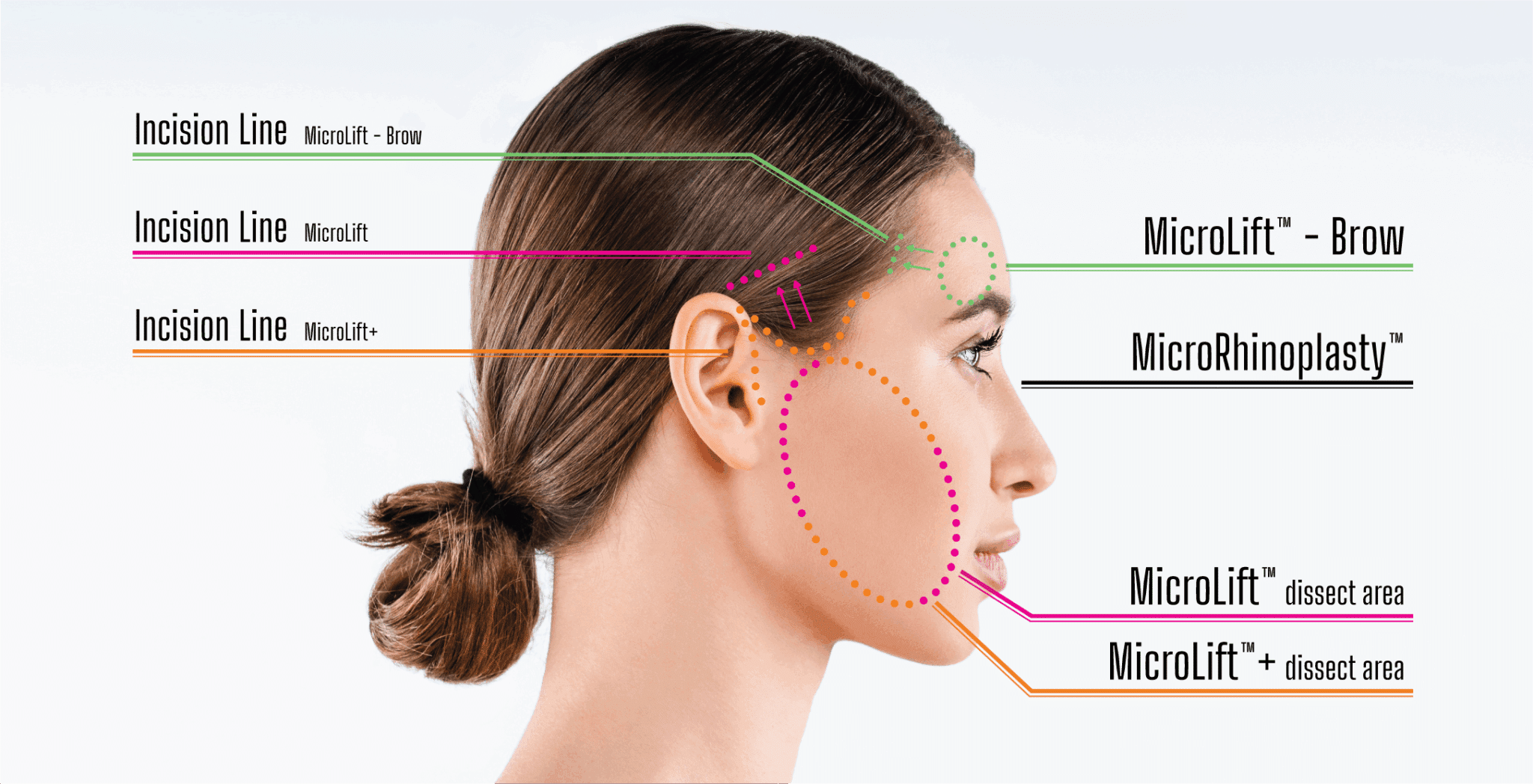
MicroLift and MicroLift+
Dr. Miller’s signature MicroLift procedures improve cheek position, early jowling, and jawline definition through minimally invasive facial surgery with limited visible scarring.
MicroLift is designed for patients with earlier signs of aging and repositions facial skin and tissue through a small hairline incision. MicroLift+ uses a modified incision that also allows excess skin to be removed, making it appropriate for patients with more noticeable laxity.
Experience subtle facial rejuvenation and jawline contouring for a more youthful, sculpted appearance with our signature MicroLift procedure. This minimally invasive procedure is perfect for those seeking a refreshed look without major surgery, the MicroLift addresses early signs of aging in the mid and lower face as well as your jawline.
Key Benefits:
• Improves cheek and jawline definition
• Reduces early jowling
• Softens facial folds and lines
• Addresses mild to moderate skin laxity
• Limits visible scarring
• Offers natural looking rejuvenation
• Requires less recovery than more extensive facial surgery


MicroLift – Brow
The Microlift-Brow is a minimally invasive procedure designed to elevate the corner of the brow and rejuvenate the upper face. By subtly lifting and increasing the height of the outer brows, this treatment restores a more youthful, awake, and energetic appearance—without the need for traditional surgery.
Key Benefits:
- Gently lifts the outer corner of the brow for a more youthful, refreshed look
- Opens the eye area, enhancing natural facial expressions
- Creates a more alert, energized appearance
- Improves eyebrow symmetry and positioning
- Minimally invasive with little to no visible scarring
- Short recovery time with long-lasting results
- Complements other facial rejuvenation procedures for optimal results


MicroRhinoplasty
Refine and enhance your nose with our innovative MicroRhinoplasty procedure. This advanced technique allows for precise nasal refinements with minimal invasion and recovery time.
Key Benefits:
- Subtle nasal refinements
- Improved nasal function
- Minimal visible scarring
- Quicker return to daily activities

Why Choose Microsurgery?
- Minimal Scarring and Downtime: Our microsurgery techniques allow for smaller incisions, resulting in less visible scarring and faster recovery times.
- Natural-Looking Results: We focus on enhancing your natural features, ensuring results that look refreshed and rejuvenated, not overdone.
- Customized Approach: Each procedure is tailored to your unique facial structure and aesthetic goals, ensuring personalized results.
- Advanced Techniques: Dr. Miller utilizes the latest technology and techniques for optimal precision and safety.
- Subtle Enhancement: Ideal for those seeking improvement without dramatic changes, our microsurgeries offer noticeable yet natural results
Learn More About Our Procedures
Curious about how microsurgery can benefit you? Watch our informative webinar where Dr. Miller explains these innovative procedures in detail:
In this comprehensive presentation, Dr. Miller covers:
- Comparison with traditional surgical methods
- The science behind microsurgery techniques
- Before and after results
- Patient experiences and testimonials
Your Journey to Rejuvenation Starts Here
Ready to explore how microsurgery can enhance your natural beauty? Take the first step towards a refreshed, confident you.
- Schedule a Consultation: Meet with Dr. Miller to discuss your goals and determine the best procedure for you.
- Personalized Treatment Plan: Receive a customized plan tailored to your unique facial structure and desired outcomes.
- Expert Care: Experience the precision and artistry of Dr. Miller’s microsurgery techniques.
- Enjoy Your Results: Reveal a refreshed, natural-looking you with minimal downtime.
Contact us today to schedule your personalized consultation with Dr. Philip Miller. Discover how our microsurgery procedures can help you look and feel your best.
Philip Miller, MD, is a double board-certified facial plastic surgeon in Manhattan, NYC, renowned for his expertise in minimally invasive techniques. With years of experience and a commitment to natural-looking results, Dr. Miller has helped countless patients achieve their aesthetic goals with confidence.
Non-Surgical Rhinoplasty in New York City
Ethnic Rhinoplasty
Preservation Rhinoplasty in New York: A New Solution To an Old Problem
Preservation rhinoplasty is one of the latest trends in the world of cosmetic nose surgery. The surgical procedure offers a different approach to reduce a dorsal hump while preserving the original components. This technique produces a natural result and provides an alternative to the traditional structural rhinoplasty technique for the right patient.
Preservation rhinoplasty utilizes a different technique for enhancing the aesthetic appearance of the nose. The main goal of this nose reshaping procedure is to retain as much of the patient’s original dorsum, tissue, and cartilage as possible while improving the nasal appearance and facial harmony. Changes are made deeper within the nasal structure, and the upper portion of the nose is eased downward to smooth out the dorsal hump.
Philip J. Miller, MD, FACS, has experience and expertise in performing all types of rhinoplasty procedures. He will help you determine the best procedure to meet your goals.
With his NatraLook process, you participate in a collaborative partnership with Dr. Miller to ensure your rhinoplasty delivers all the benefits the surgery offers and the results you desire.
How is preservation rhinoplasty different from traditional rhinoplasty?
Traditional rhinoplasty directly removes the cartilage and bone components of the bump. The procedure reduces nose size by shaving down the bump, but it can also leave an “open roof deformity,” much like taking the roof off of a house. When this occurs, the surgeon must address the issue using techniques like cartilage grafting.
With preservation rhinoplasty, the surgeon alters the height of the nasal bridge beneath the overlying bone and cartilage, using tissue resections underneath the bump and letting the bump stretch out and fall backward to create a straight line. Though changing the shape of the bridge, preservation rhinoplasty maintains the natural components of the nasal dorsum so it does not need to be rebuilt.
Preservation rhinoplasty offers an optional rhinoplasty technique to preserve the existing bone-cartilage junction along the dorsum that is sacrificed when doing a hump resection. This approach remodels the existing nasal anatomy, targeting precise, small sections of the underlying bone and cartilage and rearranging them like a jigsaw puzzle. By remodeling the base of the nose, we can let the bump fall back without significantly altering the appearance of the nasal bridge.
In the hands of an experienced, board-certified facial plastic surgeon, both preservation and structural rhinoplasty techniques can produce excellent results. However, not every surgeon offers the preservation option at this time, which could limit a patient’s options depending on the surgeon they choose.
What can preservation rhinoplasty fix?
In the right hands, preservation rhinoplasty can help:
- Straighten a crooked nose
- Correct breathing issues
- Deproject a disproportionately large nose
- Smooth bumps on the nasal bridge
- Reshape the nasal bridge
Benefits of Preservation Rhinoplasty
Preservation rhinoplasty provides the following advantages:
- Improves facial harmony and balance while maintaining your unique look
- Ensures a long-term positive outcome
- Maintains or improves breathing function
- Provides another technique for patients interested in addressing a dorsal hump
- Creates a very natural result without the need for reconstructing the bridge of the nose
While the techniques for preservation rhinoplasty are still improving, its philosophy remains –to reshape and preserve existing structures of the nose –making preservation rhinoplasty a viable option for patients wishing to reduce a dorsal hump without the need for a graft or reshaping of the nasal tip.
Is preservation rhinoplasty the right choice for me?
The type of rhinoplasty you choose depends on your individual goals and expectations, including your reasons for pursuing the surgery. The best way to determine if preservation rhinoplasty is right for you is to consult with a qualified surgeon.
Dr. Miller is a double board-certified facial plastic surgeon who specializes exclusively in facial plastic surgery. With more than 20 years of experience performing rhinoplasty and other facial rejuvenation procedures, he is an expert in the field, offering in-depth knowledge and the most advanced techniques to his patients.
To learn more, contact Dr. Miller to schedule a consultation.
Revision Rhinoplasty in New York
An unfortunate reality of facial plastic surgery is that patients are not always satisfied with the final aesthetic outcome of an elective procedure. An inexperienced surgeon, the use of outdated techniques, a lack of doctor-patient communication, and complications that arise during the procedure or subsequent healing process can all impact the rhinoplasty result and become reasons for revision rhinoplasty.
When a nose job is performed to only create facial harmony by refining the size and shape of the nose, it can disrupt the pattern of airflow. Conversely, improvements in breathing may affect the look of the nose. Because of the intricacies of the nasal structure and the sometimes unexpected course of tissue recovery, rhinoplasty may produce unexpected or undesirable results.
Revision rhinoplasty is usually performed about a year after the surgery, and the costs of a secondary (or tertiary) procedure are higher than other types of rhinoplasty because of the increased difficulty (with every additional surgery, the tissues of the body become thicker and more difficult to work with, which makes obtaining the desired results is more of a challenge).
It is estimated that approximately 10-15% of patients who undergo cosmetic nose surgery will request a secondary procedure at some point. It is important to note that only a facial plastic surgeon should perform revision rhinoplasty. Manhattan New York facial plastic surgeon Dr. Philip Miller is known for his ability to produce the most natural and aesthetically appealing rhinoplasty results. He is also a skilled expert, with a high success rate, in correcting work performed by other plastic surgeons during revision rhinoplasty.
When is Revision Rhinoplasty the Right Solution?
During any facial cosmetic enhancement, patients may be presented with surgical limitations. Anatomy can impose parameters that might not be adjustable within the confines of the nose. In such cases where only less extensive improvements are possible, rhinoplasty patients may benefit from non-surgical rhinoplasty, where dermal injections enhance the appearance of the nose, or complementary procedures like mentoplasty (chin implant surgery).
Due to the lengthy healing process following rhinoplasty, patients should not undergo corrective surgery at our New York City surgery suite until the final results of the first procedure are fully visible. There are a number of solutions available for individual needs, but in the cases mentioned above, revision rhinoplasty may not be a viable option.
Revision rhinoplasty is, however, the best choice for patients who have remaining tissue that can be successfully modified through surgery. The procedure can also offer a permanent solution for nasal function issues, in cases of a deviated septum, nasal valve collapse, or irregular nostril shape. Dr. Miller may request patient records and X-rays from the former rhinoplasty surgeon to ensure a complete understanding of revision rhinoplasty cases.
Find out if revision rhinoplasty is right for you
Top Issues Corrected by Revision Rhinoplasty
While individual cases will differ, generally speaking, secondary cosmetic nose surgery can alter the shape, size, and function of the nose. A patient’s first plastic surgeon may not have removed enough tissue, and the nose may still appear too broad or over-projected. This follow-up surgery can also address a nose that is too wide. The first rhinoplasty may have produced unwanted side effects, like the build-up of scar tissue that must be surgically treated.
In results where too much tissue has been excised from the nose, the doctor may elect to use nasal implants or grafting techniques (commonly synthetic, animal-produced, or patient-derived) to rebuild the feature. In patients who suffer from nasal breathing issues, the doctor may opt to perform a septoplasty (deviated septum repair) or other reconstructive techniques to address anatomical concerns.
Issues that warrant revision rhinoplasty might include pinched nostrils, a progressive nasal obstruction, or scar tissue formation during the healing process. Sometimes additional surgery is required if the initial surgery did not achieve the patient’s goals.

Pinched Tip
A “pinched tip” is a frequent complaint of rhinoplasty patients, where the end of the nose appears compressed or “pinched,” resulting in less-than-ideal facial aesthetics and impaired breathing. The “pinch” is due to too much cartilage being removed from the tip of the nose. Over time, the tip loses support resulting in the “pinched nose” appearance, a collapse of the nostrils’ shape, and the illusion of a persistent bump.
Short Nose
Following rhinoplasty, some patients experience a “short nose” trait due to the removal of too much cartilage. This condition is often corrected by reinstating cartilage to establish support, and by using specialized grafts to restore a more natural-looking shape.
Crooked Nose
The “crooked” or “twisted nose” is typically derived from a nasal trauma and can sometimes persist even after the first rhinoplasty procedure. Revision rhinoplasty will rearrange the cartilage and bone to create an aesthetically pleasing, symmetrical look. Dr. Miller owns a unique technique for correcting the crooked nose problem that he has presented at rhinoplasty conferences around the United States


NatraNose®
Dr. Miller’s approach to rhinoplasty encompasses the NatraLook® Process, which optimizes the patient experience and strives to ensure the most rewarding results. The goal of this process is for patients to find new aesthetic confidence, or empowerment, after their surgery. It all starts at the consultation, when Dr. Miller will reassure and support your opinions in a positive way, creating a collaborative environment that keeps you involved in your procedure.
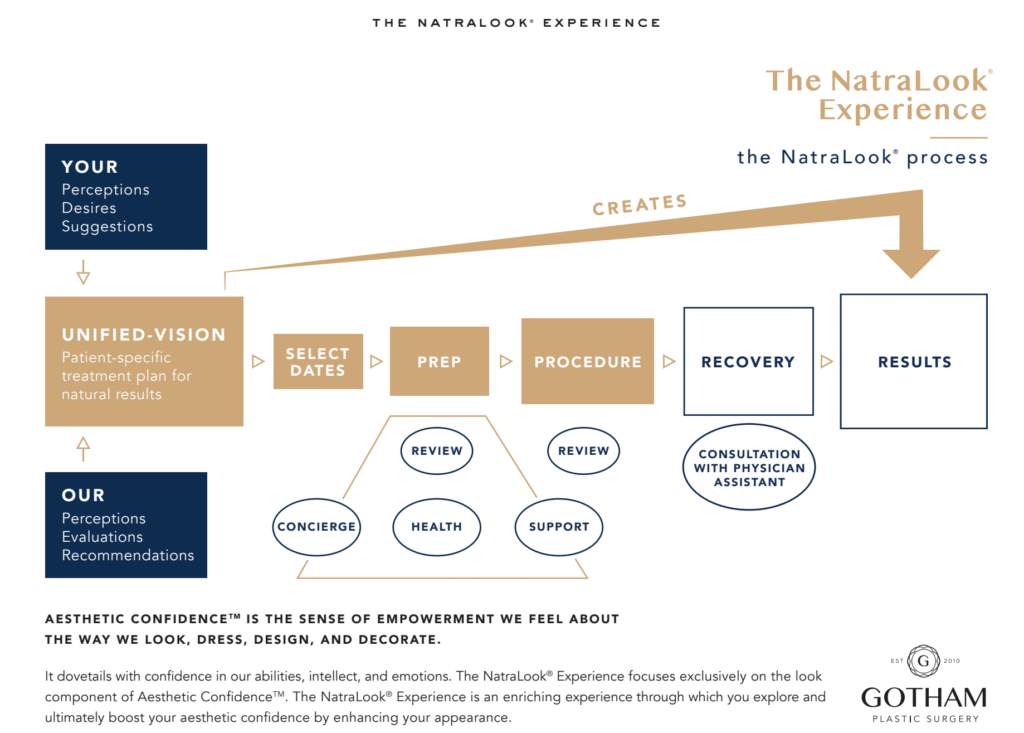
The consultation, at Dr. Miller’s rhinoplasty clinic in New York City, is the most important step in your rhinoplasty journey and the factor that will lead to nose surgery satisfaction. It is an excellent time to discuss your expectations and concerns, address any questions, and figure out what you want to take away from your surgery.
Additionally, Dr. Miller will examine and assess your nose and how it relates to your other facial features. He will also evaluate the thickness and quality of your skin. Computer imaging may also be used to help give you an idea of the changes that can be made to your nose and what you can expect from surgery. He will also review your medical history and overall health.
All details of the procedure will be reviewed, including the available options and rhinoplasty techniques, the facility, the anesthesia, the recovery, the risks and benefits, and the costs. Together, you and Dr. Miller can come up with a realistic goal for surgery with his NatraNose approach.
The Revision Rhinoplasty Surgery in New York City
Revision rhinoplasty is performed through an open or closed surgical approach here at our Manhattan facility, similar to primary rhinoplasty. In the closed approach, minimal additional scarring will be visible since the incision is created inside the nose and the work takes place through nostril access. When correcting the results of prior surgeries, it may be necessary to use an open approach with the incision created on the exterior of the nose between the two nostrils. This technique allows for better visibility so the surgeon can see and access the existing issues.
Revision rhinoplasty specialist, Dr. Miller will discuss more specific fixes with patients during a consultation at his New York City office. Some common changes are the removal of bone and cartilage when treating a nasal hump formation, and rebuilding tissues with cartilage when depressions form in the skin.
In instances where the requested fixes are relatively minor, a local anesthesia may be utilized for revision rhinoplasty, while general anesthesia or sedation is typically reserved for more extensive corrections. At the close of the surgery, a protective splint will be placed over the patient’s nose to protect it from damage and help maintain the shape during the critical first week in healing. Both bridge and septum splints will be removed one week postoperatively. Sutures will be taken out several days after the procedure.
Revision Rhinoplasty Recovery: Be Careful
Secondary nose job patients may experience some difficulty breathing during the first 1-2 weeks of the recovery period, which is largely due to swelling. Both inflammation and bruising typically occur around the eyes as well. Prescription pain medications can control any pain or discomfort that may be present during healing.
Normal activity is resumed by most patients at around the 10-day mark, though exercise and heavy lifting should be avoided for about 3 weeks. Contact sports, or any activity that could cause trauma to the nose, should be avoided until after the bones have fully healed in 6 weeks.
Revision Rhinoplasty Following a Healed Rhinoplasty
Most doctors will request that patients wait about 12-18 months before undergoing secondary nose surgery. The healing process after the initial rhinoplasty is lengthy and the duration can vary. In addition, the nose will not take on its final form or function for some time. Swelling can take many months to subside, causing the nose to appear larger or of a different shape than it will truly be.
A revision surgery that is performed too soon can result in further disappointment in the look of the nose. Added trauma to an already healing nose and an incomplete recovery can negatively impact the outcome of future facial plastic surgery. Patience is vital during the healing process.

Revision Rhinoplasty Alternatives
Revision rhinoplasty is common when a surgeon makes an error during the procedure or unexpected complications arise. At times, due to the extensive nature of a reconstruction or repair, a patient may understand that revision rhinoplasty is highly likely. When the nose is affected by genetics, disease, or trauma, a patient may require multiple procedures to restore or improve their looks. Often times, reconstructive procedures occur in stages, and it is possible that some patients may undergo one or more revision rhinoplasties to obtain the best cosmetic results.
Revision Rhinoplasty Detailed FAQ
Q: Is revision rhinoplasty painful?
A: Dr. Miller will prescribe pain medication to patients as a precautionary measure, but most report very little discomfort associated with the procedure. There may be some nasal congestion or sinus pressure that can be relieved by non-narcotic medications. More information can be found here.
Q: How many revision rhinoplasty surgeries can be completed on a patient’s nose?
A: While there is technically no limit because the tissue will be manipulated and sometimes removed during each surgery, each case will vary. Revision rhinoplasty becomes more complicated with each procedure, and patients should choose a board-certified facial plastic surgeon who specializes in these cases. The nose is a delicate feature and even small changes by the millimeter will create significant changes. Dr. Miller has a high success rate and should be able to revise the nose during a single surgery.
Q: Who are the best candidates for reliable revision rhinoplasty?
A: Prospective patients seeking to undergo a secondary nose surgery should have a fully developed nose, which will have typically stopped growing in a person’s mid to late teen years. The individual should be healthy and fully healed from the initial procedure. Candidates should have realistic expectations about the changes Dr. Miller can create.
Q: How long will the exact surgery last?
A: Revision rhinoplasty cases in NYC often require 2-3 hours to complete. In more complicated cases, there may be additional time needed for the surgery.
Q: Is the recovery different from the first rhinoplasty procedure?
A: As with the initial procedure, revision rhinoplasty will require approximately 12-18 months for a full recovery. In cases where Dr. Miller has harvested a patient’s own cartilage (sources may be the ears or ribs), there may be some discomfort at these sites as they heal too. There may be additional swelling with the addition of nasal implants or the removal of extra material, especially if the first surgeon took a very conservative approach.
Q: Will insurance cover revision rhinoplasty?
A: When the facial plastic surgery, or a portion of the surgery, is performed to improve nasal breathing, insurance may pay for those specific costs. Dr. Miller’s office can contact the patient’s insurance company for an estimate of care to determine what the patient’s responsibility will be.
To learn more about revision rhinoplasty, visit med.stanford.edu.
The Best Revision Rhinoplasty Surgeon in NYC: Philip Miller, MD, FACS
Revision rhinoplasty specialist, Dr. Philip Miller has over two decades of experience in cosmetic medicine, a high success rate of facial plastic surgery procedures, and has been voted among the Best Doctors in America for the past 10 years and Top Doctor of New York City. Dr. Miller is sought after for his innovative techniques in both rhinoplasty and revision rhinoplasty, which he has lectured and written textbook chapters on. Contact Dr. Miller’s Manhattan office to schedule a revision rhinoplasty consultation.
Rhinoplasty and Nose Jobs in New York
Your nose: is it too large, too small, too flat, and too pointed? Is it crooked? Do you have trouble breathing from one or both nostrils from a deviated septum? If so, you are in good company. Many people feel their nose detracts from their whole face, taking away from the natural beauty of their eyes, hair, or other facial features. These cosmetic concerns with their appearance are why they choose to get a rhinoplasty.
Book Your Rhinoplasty Consultation
Rhinoplasty surgery, also known as a “nose job,” can change the shape of the whole nose or of just a small part, making it fit more harmoniously with the rest of the face. Board-certified facial plastic surgeon, Dr. Miller in New York City, is skilled in making these changes during nose surgery while preserving, or if need be enhancing, the function of the nose so that breathing is free and comfortable.
Careful and extensive preoperative discussions and planning will take place before your nose surgery. We will consider the prominence of your cheeks, your jawline, your skin thickness and quality, and the overall dimensions of your nose before advising you of how not only to achieve the changes you want but also to achieve overall facial balance. NY’s top facial plastic surgeon, Dr. Miller, can perform rhinoplasty on your current nose that detracts from your overall facial aesthetics.
If breathing through your nose is a problem, Dr. Miller will conduct a detailed examination and advise you as to how this can be greatly improved with rhinoplasty. Sometimes, special tests to measure your degree of obstruction or to evaluate your sinuses may be required. If you suffer from sinus problems, these can be improved at the same time as nasal surgery during your nose job.
Rhinoplasty Patient Before and After Results
*Patient results may vary

Female Rhinoplasty Patient 1: This patient wanted to diminish the hump on her nasal bridge and lift the droopy tip of her nose. Dr. Miller was able to provide the patient’s ideal nose job results with no scarring and little to no swelling.

Female Rhinoplasty Patient 2: This young patient wanted to reduce the nasal hump to create a smoother shape of the nose. Dr. Philip Miller performed a rhinoplasty and left no scarring with little to no swelling.

Female Rhinoplasty Patient 3: This patient wanted to remove the hump on her nose and improve her tip definition. Dr. Philip Miller was able to achieve this through a rhinoplasty with no scarring and minimal swelling.

Book Your Rhinoplasty Consultation
Rhinoplasty Patient Testimonials
Male Rhinoplasty Patient 1: This patient wanted to fix his bulbous, long nose and straighten the tip. Dr. Philip Miller performed a rhinoplasty with an inconspicuous incision line, resulting in no scarring and minimal swelling shortly after taking off the cast.
“I had a rhinoplasty and septoplasty performed by Dr. Miller and his team just 4 weeks ago and I am feeling great! The entire process went so well, and I always felt comfortable and informed. His team provides top-level care to their patients and are always willing to answer any questions you may have.”
– Adam – Google Review (September 2020) *
“The outcome of the surgery is exactly what I wanted. My nose is more dainty and looks natural. No one has suspected I had a rhinoplasty but I have received several compliments that I look great from people that knew me beforehand but they couldn’t quite pin their finger on what I had had done. I would highly recommend Dr. Miller.”
– Emily – Google Review (October 2020) *
“I have been a patient with Gotham for 2 years and this was my first rhinoplasty work with Dr. Miller. I can’t express how happy I am not only with the end result of his work, but also his professionalism along the way. An attentive and caring man, Dr. Miller truly listened to me and was with me every step of the way. As I told him after the post-op visit, I placed 100% trust and faith in his work and he delivered top-notch results. I am a lifelong patient of Gotham and cannot recommend him enough.”
– B.L. – Yelp Review (November 2020) *
NYC’s Top Rhinoplasty Surgeon – Dr. Philip Miller
Although nose surgery is one of the most common surgical procedures performed by facial plastic surgeons, it is considered one of the most complex operations. The complexity of nose reshaping means selecting an experienced, board certified plastic surgeon is essential.
Ideally, you will want to partner with a physician who has a deep understanding of rhinoplasty and has executed thousands of cosmetic and reconstructive nasal surgeries across a wide variety of patients from different backgrounds.

Why Choose Dr. Miller For Your Nose Surgery?
- Dr. Miller is a world-renowned facial plastic surgeon
- He has over 20 years of experience within the facial plastic surgery industry
- He has completed over 5,000 successful surgeries
- He takes pride in blending art and science together to create beautiful, natural looking results for his patients

Dr. Miller’s Nasal Surgery Research and Scientific Papers
Structural Approach to Endonasal Rhinoplasty (view here)
Anil R. Shah, MD and Philip J. Miller, MD, FACS
New Developments in Nasal Valve Analysis and Functional Nasal Surgery (view here)
Philip J. Miller, MD, FACS and Dr. Minas Constantinides, MD, FACS
A Simple and Reliable Method of Patient Evaluation in the Surgical Treatment of Nasal Obstruction (view here)
Philip J. Miller, MD, FACS, Dr. Minas Constantinides, MD, and Dr. Susanne K. Doud Galli, MD, PhD
What is Rhinoplasty?
Rhinoplasty, also known as a nose job, is a surgical procedure on the nose for either cosmetic or reconstructive purposes. Aesthetic rhinoplasty can greatly improve the cosmetic appearance of the nose by reshaping, reducing, augmenting the tissue, removing a hump, or by adjusting the angle between the nose and the mouth.
On the other hand, functional rhinoplasty can also improve the functionality of the nose by correcting any injuries such as a deviated septum, or birth defects that might make it difficult for the patient to breath. Learn more about rhinoplasty by reading Dr. Miller’s rhinoplasty booklet.
Benefits of Rhinoplasty
There are many different reasons for men and women to seek rhinoplasty to correct the form of their nose. Benefits of nose surgery may include:
- Reduce / increase the size of the nose
- Changing the shape of the nasal tip (i.e. too round or too pointy)
- Reduce wide nostrils or widen the nostrils
- Change the angle of the tip of the nose
- Create a larger or smaller gap between the nose and upper lip
- Correct a hooked or crooked nose
- Correct a deviated septum
- Remove a hump or bump from the bridge of the nose
- Improve the proportion of the nose to the other facial features
One of the greatest benefits of rhinoplasty is that it is typically a one-and-done procedure. Once the nose job surgery is completed and the nose has fully healed (which can take up to one full year), patients can enjoy the improvements to their nose over a lifetime.
Even a slight alteration to the nose with a nose job can have a profound impact on the balance and harmony of the entire face. Through this single surgical procedure, Dr. Miller can improve the facial profile, create proportion with all the facial features, and produce a central feature that blends in with the rest of the face rather than standing out. Patients typically experience a substantial boost to their self-confidence and their self image with a well-executed rhinoplasty.
Who is a Good Candidate for Rhinoplasty Surgery in NYC?

Rhinoplasty is one of the most popular and best facial plastic surgery procedures as indicated in this study by the University of California Irvine, but not everyone is an appropriate candidate for nose job surgery in NYC. As with all elective surgeries, good candidates should be in good health and have realistic expectations for improvement.
If you are in good health and are are interested in changing the appearance of your nose with nose reshaping, you may very well be a good candidate for a rhinoplasty procedure or a nose job.
Some patients seek a rhinoplasty to improve an inherited characteristic such as a bump on the nose or to address deformities or breathing complications related to a nasal fracture. If you are looking to improve a particular area of your nose and your overall facial balance, you can consider rhinoplasty in New York City.
When you decide to undergo nose surgery, this can also the time to highlight any breathing problems that bother you. Weeks prior he may perform your nose surgery, Dr. Miller will comprehensively examine the nose during his initial consultation to identify functional issues and, if necessary, order additional tests to better understand the degree of obstruction. From a thorough examination, he will create a surgical plan that addresses both the form and function of the nose.
Diversity in Rhinoplasty
Rhinoplasty can be for patients of all ages and ethnicities. As one of Manhattan’s best rhinoplasty surgeons, Dr. Miller brings both expertise and experience to the operating table for all of his patients:
- Rhinoplasty for Teens
- Rhinoplasty for Men
- Rhinoplasty for Asians
- Rhinoplasty for Latinos
- Rhinoplasty for African Americans
- Rhinoplasty for Mediterranean and Middle East Ethnicities
What to Expect During Your NYC Rhinoplasty Consultation
Dr. Miller’s approach to rhinoplasty encompasses the NatraLook® Experience, which empathizes the patient experience and strives to ensure the most rewarding and natural results. The goal of this process is for patients to find a new confidence, or empowerment, after their procedure. It all starts at the initial consultation when Dr. Miller will reassure and support your opinions in a positive way, creating a collaborative environment that keeps you involved in your procedure.
Meeting Dr. Miller
Dr. Miller believes that the initial consultation at his NYC plastic surgery clinic is the most important step in your rhinoplasty journey. It is an excellent time to discuss your procedure expectations and concerns, address any questions, discuss your aesthetic goals and exactly what you want to take away from your nose surgery.
During your consultation with Dr. Miller, he will examine and assess your nose and how it relates to your other facial features, as well as the thickness and quality of your skin. Computer imaging may also be used to help give you an idea of the changes that can be made to your nose and what you can expect from surgery.
By viewing a digital reconstruction of your face from the front and profile, you can see how certain alterations to your nose change your appearance—this is the easiest and safest way to ensure your nose after rhinoplasty will be in harmony with the rest of your face. Much like you would try on a new dress before buying it, computer imagining allows you to “try on” a new face without making any commitments.
At your consultation with Dr. Miller, he will also review your overall health and medical history such as any prior surgery that may affect your rhinoplasty. All details of the surgical plan will be reviewed, including the available options and advanced surgical techniques for the procedure, the facility, the local or general anesthesia, post-op recovery, the risks and benefits, and the costs.
Together, you and Dr. Miller can come up with realistic expectations for your rhinoplasty surgery. As indicated by this study, the outcome of your procedure can heavily impact your body image and quality of life.
How to Schedule a Rhinoplasty Consultation in New York City
If you are interested in making any cosmetic or functional adjustments to your nose through a surgical or non-surgical nose job, it is important that you find one of the best rhinoplasty surgeons available. Dr. Philip Miller has over two decades in the facial plastic surgeon industry, and rhinoplasties are his specialty. Dr. Philip Miller’s plastic surgery clinic in NY, NY is a top destination for both locals and foreigners looking to get a rhinoplasty surgery. To schedule a consultation for rhinoplasty, feel free to call us at (646) 791-3025, or fill out our online contact form.
Schedule A Consultation With Dr. Miller
Rhinoplasty Recovery Timeline & Process
Rhinoplasty recovery is an extended process that requires some patience before the final result becomes evident. Here is a timeline of what you can expect after your rhinoplasty procedure:
The Day of your Nose Surgery

Cosmetic or functional rhinoplasty surgery of the nose usually takes 1½ hours to 2½ hours to perform and may be done either with you asleep under general anesthesia or awake under local anesthesia. Most incisions are placed inside the nostrils, but in some cases, a small incision may be made in the natural creases along the sides or near the base of the nose. These heal quickly and leave scars that are nearly invisible.
At the end of the nose surgery, a cast will be placed on your nose to help you heal during the post-op recovery process. If there is any bleeding, a light dressing may be placed inside the nostrils and removed the same day or the next day.
Since rhinoplasty is completed under general anesthesia, you will need someone to drive you home and remain with you for the first 24 hours. Rest is essential immediately post-op, but keep your head elevated to reduce swelling.
One Week After Surgery
At the end of your first week post-op, Dr. Miller will likely remove the cast and any sutures that were placed. You will likely be experiencing significant bruising and swelling at this point with mild discomfort, and your nose may feel extremely congested. These side effects will subside soon.
Two Weeks
At the end of the second week, you should begin to notice improvement in how you feel and how you look. Much of the bruising should be gone at this point, and inflammation will subside. However, you will continue to see some residual swelling up to one year after your procedure. At this point, you may start to feel confident enough to venture out with your new and improved nose.
One Month
By the end of the first month, the improvements should be sufficient to allow you to socialize with confidence. Residual swelling is likely to remain, but the nose will look much better and the inflammation may not be easily noticeable to anyone but you. Keep in mind it will still be some time before the complete effects of your rhinoplasty become evident.
Three Months
At this point, you should be able to resume all of your activities, including strenuous exercise. It is still a good idea to protect your nose from any type of impact, however. You will likely see more evidence of what the final improvement will look like.
One Year
By now, swelling should be completely gone and your actual results are fully evident. If you have any following concerns about your nose job, now is the time to address them with Dr. Miller. Rest assured you will be able to enjoy the improvements for a lifetime!
The Classic Nose Job Post-Op Recovery Process

Most people are amazed by how little pain there is after rhinoplasty surgery. The most uncomfortable part of the post-op recovery is experiencing difficulty with nasal breathing for several days due to swelling. This usually improves within one or two weeks. Expect some swelling around your eyes for several weeks, and as it subsides, you will start to see the improvements from your surgery.
A few special precautions are required during your post-op recovery period. Bending or lifting can prolong swelling, so this is not recommended for three weeks after surgery. Strenuous activity such as running, cycling or aerobics should not resume for three weeks. Contact sports should be avoided for six weeks, as it takes that long for the bones to fully heal. You may drive when the swelling subsides enough not to interfere with vision, and you may fly two to three weeks after surgery.
Minimizing Surgery Risk
While every risk cannot be eliminated, there are some things you can do to minimize certain risks. For helpful tips and best practices for your rhinoplasty post-op recovery, please read our blog here.
Post-Operative Nose Job Instructions
This is by far the most effective way to help ensure a smooth post-op recovery process and reduce the chance for certain risks. Dr. Miller will provide you with an extensive list of rhinoplasty post-op instructions. He is giving you these for a reason. Please carefully follow them after your rhinoplasty to ensure a great outcome.
Common Nose Job Terms Explained by a NYC Plastic Surgeon
What Can be Achieved Through a Rhinoplasty?
A rhinoplasty in Manhattan can treat a variety of concerns involving the nose, such as the size, shape, and functionality. Below are the most popular conditions that can be treated with a rhinoplasty.
- Deprojection: An over-projected tip is corrected by deprojection.
- Projection: An under-projected tip is corrected by projection.
- Counter-Rotation: An overly rotated tip is corrected by counter-rotation (rotated down).
- Upward Rotation: A droopy tip is corrected by upward rotation.

- Reduction of taking down the bump: A dorsal hump/bump is corrected by reduction or taking down the bump.
- Filling or augmentation: A scoop is corrected by filling or augmentation.
- Raising the columella: Columella show is corrected by raising the columella.
- Lowering the columella: Columella retraction is corrected by lowering the columella.

- Widening at the Dorsum (Bridge): A narrow dorsal (bridge) width is corrected by widening at the dorsum (bridge).
- Narrowing at the dorsal plan: A wide dorsal width is corrected by narrowing at the dorsal plan.
- Widening at the facial plane: A narrow facial width is corrected by widening at the facial plane.
- Narrowing at the dorsal plan: A wide facial width is corrected by narrowing at the facial plane.

- Shortening: A long nose is corrected by shortening its length.
- Lengthening: A short nose is corrected by lengthening its length.
- Filling: A collapse or depression is corrected with filling.
- Straightening: A twisted nose is corrected by straightening.

Learning more about your rhinoplasty with Dr.Philip Miller
What is the Cost of Rhinoplasty?
The cost of rhinoplasty varies from patient to patient, but based on what you are trying to achieve, an estimate may be given upon your consultation. Below are some guidelines that potential patients can refer to when trying to determine how much a rhinoplasty or a nose job might cost based on what type of rhinoplasty they will be choosing. For more information on the cost of rhinoplasty, please contact Dr. Miller at his Manhattan, New York plastic surgery office.
Primary Rhinoplasty
$3.5K – $25K
Revision Rhinoplasty
$3K – $30K
Non-Surgical Rhinoplasty
$400 – $2500
Functional Rhinoplasty
Can be submitted to insurance for reimbursement.
More Options at Our Plastic Surgery Clinic

Rhinoplasty FAQ’s
Q: What are some of the risks associated with a Nose Job?
A: Bleeding, Infection, nasal obstruction, undesired result. Speak to a rhinoplasty surgeon specifically about these surgical complications and how they can occur. For patients interested in making subtle changes to the shape of the nose without surgery, Dr. Miller offers a non-surgical nose job option.
Q: What should I ask my surgeon before my rhinoplasty procedure? And how can I best prepare myself prior to the nose job surgery?
A: During your rhinoplasty consultation, it is best to ask your plastic surgeon the following questions:
- Are you Board Certified?
- How many rhinoplasties do you do a year?
- Will you make any incisions on the outside of my nose?
- Do you pack my nose and for how long?
- When is the cast removed?
On the day of your rhinoplasty you’ll want consider the following:
- Wear clothing that fastens in the front or back.
- Avoid slipover sweaters, T-shirts, and turtlenecks.
- Do not eat or drink anything, including water, the morning of your nose surgery.
- Leave your valuables at home; do not wear jewelry. Do not wear any facial or eye make-up, or nail polish.
- You may wear your glasses; do not wear contact lenses. If you wear dentures, keep them in.
Q: How much does the best rhinoplasty procedure cost? Is it different at a clinic vs. a hospital?
A: Depending on the reasons for having rhinoplasty, it can be covered by insurance. If the reason is purely cosmetic, it is not covered, but if is it provided to correct breathing issues, then it may be partially covered by your insurance policy. The exact cost you rhinoplasty will be based on what you are trying to achieve and an estimate may be given upon your consultation.
Q: What is the difference between male rhinoplasty vs. female rhinoplasty?
A: Rhinoplasty is one of the most common cosmetic procedures requested by men. While women typically want a reduction rhinoplasty for a more narrow and feminine nose, men usually want to erase unappealing features but maintain a strong and structured nose. Therefore, for a male rhinoplasty, Dr. Miller can use a variety of rhinoplasty techniques, including strengthening the dorsum and increasing the projection of the nasal tip. In the end, the main goal of both a male and female rhinoplasty is for the nose to work in harmony with other facial features and enhance confidence.
Q: Could weight loss affect my rhinoplasty results?
A: The nose is made of bone, cartilage, and skin, so fat cells aren’t present in its makeup. Because there are no fat cells, gaining or losing weight does not have a direct impact on the shape of your nose and the results of your rhinoplasty surgery. While many patients worry that they can gain weight in their noses, this just isn’t possible.
More Rhinoplasty Before and After Results & Video Testimonials
*Patient results may vary

Female Rhinoplasty: This female patient wanted to reduce the dorsal hump on her nose and reduce the overall size. Dr. Philip Miller performed a rhinoplasty to smoothen the shape of her nose and reduce the size of her nose. This procedure resulted in no scarring and minimal swelling.

Male Rhinoplasty: This patient wanted to fix the wide shape of his nose, reduce the dorsal hump, and straighten the tip. Dr. Philip Miller successfully gave him the nose that he wanted through a rhinoplasty, and the procedure resulted in no scarring with little to no swelling.

Female Rhinoplasty: This patient wanted to reduce a minor dorsal hump on the top of her nose. Dr. Philip Miller successfully managed to do so through a rhinoplasty which resulted in no scarring and little to no swelling.

Female Rhinoplasty: This patient wanted to have the bump on her nose reduced and the tip straightened. Dr. Miller successfully removed the bump through a rhinoplasty, and after the nose fully healed, there was no swelling or scarring.

Female Rhinoplasty: Dr. Philip Miller straightened the tip on this patient’s nose and removed the bump.
Last Updated: 1/24/2023
*Patient results may vary