Dr. Philip J. Miller Recognized as a Castle Connolly Top Doctor for 15 Years
When searching for a plastic surgeon in New York City, experience and peer recognition can significantly influence both confidence and outcomes. For this reason, the Castle Connolly Top Doctor distinction stands apart.
Philip J. Miller, MD, has earned this respected honor every year since 2012, marking 15 consecutive years of excellence in facial plastic surgery. His continued recognition reflects a career defined by precision, consistency, and trusted results.
In addition to his Castle Connolly distinction, Dr. Miller is board-certified in Facial Plastic & Reconstructive Surgery and Otolaryngology Head & Neck Surgery. He serves as a Clinical Professor at NYU Grossman School of Medicine and maintains hospital affiliations with NYU Langone Health Tisch Hospital and Manhattan Eye, Ear & Throat Hospital.
With more than 20 years of experience and expertise in rhinoplasty, facial rejuvenation, eyelid surgery, and advanced aesthetic procedures, he continues to deliver comprehensive facial plastic surgery care to patients throughout New York City.
What Castle Connolly Recognition Represents
Castle Connolly Top Doctors are nominated by fellow physicians and selected through a rigorous evaluation process. The distinction highlights clinical excellence, ethical standards, leadership, and dedication to patient outcomes.
In addition to his Castle Connolly recognition, Dr. Miller has been repeatedly featured in New York Magazine Top Doctors and included in the Top Doctors New York Metro Area guide across multiple editions. This sustained acknowledgment underscores the respect he has earned among both peers and patients.
Two Decades of Surgical Experience and Refinement
With more than 20 years of experience, Dr. Miller has performed thousands of facial plastic and cosmetic procedures. Facial plastic surgery is not simply his specialty. It is his lifelong focus.
He is particularly recognized for his expertise in rhinoplasty and revision rhinoplasty, procedures that demand technical accuracy and aesthetic judgment. In addition, he specializes in facial rejuvenation procedures such as facelift and eyelid surgery. His practice also includes facial implants, brow lift surgery, ear reshaping, injectables, and advanced laser resurfacing.
Because every face is unique, achieving natural-looking results requires thoughtful balance. Dr. Miller approaches each procedure with meticulous attention to structure, proportion, and harmony while maintaining each patient’s individual identity.
Advanced Training and Academic Leadership
Dr. Miller is board-certified in both Facial Plastic & Reconstructive Surgery and Otolaryngology Head & Neck Surgery. This dual certification reflects extensive surgical training and comprehensive expertise.
His medical education includes residency training at NYU Medical Center, followed by fellowship training in Facial Plastic Surgery. He also serves as a Clinical Professor of Otolaryngology at NYU Grossman School of Medicine, demonstrating his ongoing commitment to education and innovation.
Additionally, Dr. Miller maintains hospital affiliations with NYU Langone Health Tisch Hospital and Manhattan Eye, Ear & Throat Hospital. His academic involvement ensures he remains current with evolving techniques and advances in facial plastic surgery.
National Recognition and Professional Contribution
Beyond his clinical work, Dr. Miller is frequently invited to speak at national facial plastic surgery meetings, where he shares surgical techniques and insights with colleagues. His contributions support continued advancement within the specialty.
He is a Fellow of the American Academy of Facial Plastic & Reconstructive Surgery, the American Academy of Otolaryngology Head & Neck Surgery, and the American College of Surgeons. These distinctions further reinforce the professional respect he has earned throughout his career.
Fifteen consecutive years as a Castle Connolly Top Doctor is not a singular accomplishment. Rather, it reflects sustained excellence, consistent patient satisfaction, and a commitment to delivering the highest standard of care.
Personalized Care in New York
Dr. Miller provides a comprehensive range of surgical and non-surgical facial aesthetic procedures in New York. From rhinoplasty and facelift surgery to eyelid procedures and advanced injectables, each treatment plan is developed with careful consideration of the patient’s anatomy and goals.
Consultations focus on education, transparency, and realistic expectations. Telemedicine appointments are also available, offering convenience for patients seeking initial evaluations or follow-up care.
Every step of the process is guided by precision, artistry, and a dedication to achieving refined, natural results.
A Trusted Facial Plastic Surgeon in New York
Selecting a facial plastic surgeon is an important decision. Recognition, such as Castle Connolly Top Doctor, provides reassurance that a physician has been thoroughly vetted and respected by peers year after year.
Dr. Philip J. Miller’s 15 years of Castle Connolly recognition, combined with his board certifications, academic leadership, and national presence, define a career built on excellence.
For individuals seeking advanced facial plastic surgery in New York, his continued distinction offers confidence and clarity in choosing an experienced and highly regarded surgeon.
Submandibular Gland Excision for Refined Neck Contour and Jawline Definition
Persistent fullness beneath the jawline can soften the neck and cover definition, even in patients who maintain a healthy weight or have already pursued aesthetic treatments. For many individuals, this concern is not solely about excess fat or loose skin. Instead, it is often associated with enlarged submandibular glands, which sit just below the jaw.
Fortunately, submandibular gland excision offers a precise surgical solution for patients seeking sharper definition and more refined neck contours. Under the expert care of Philip J Miller, MD, FACS, this advanced approach plays an important role in comprehensive neck contouring surgery.
Today, we will explore why gland-related fullness occurs, when submandibular gland removal is appropriate, and how it enhances modern neck rejuvenation surgery.
Why Fullness Under the Jawline Persists Despite a Healthy Lifestyle
Many patients assume fullness beneath the jawline is caused by weight gain or aging skin. However, the anatomy of the neck is complex, and multiple structures influence its appearance.
In some cases, the issue stems from:
- Enlarged submandibular glands
- Natural changes in tissue support with age
- Genetics that influence gland prominence
As a result, even patients with excellent skin tone may notice a rounded or bulky appearance under the jaw. This is precisely where traditional fat reduction techniques may fall short, making surgical evaluation essential.
The Submandibular Glands and Their Impact on Neck Appearance
The submandibular glands are salivary glands located beneath the jawbone on each side of the neck. While their function is essential, their size and position can influence external contour.
Over time, these glands may become more visible due to age-related tissue changes or natural anatomy. When this occurs, the jawline loses definition, and the neck appears heavier, particularly in profile views. Submandibular gland removal addresses the underlying cause rather than masking it, allowing for a smoother, more sculpted neck contour.

When Submandibular Gland Excision Becomes Part of the Plan
Submandibular gland excision is not recommended for every patient. Instead, it is carefully considered when gland prominence clearly contributes to neck fullness.
This procedure may be appropriate when
- Fullness persists after weight stabilization
- Liposuction alone would not improve contour
- A patient desires sharper jawline definition
Through a detailed consultation, Dr. Miller evaluates anatomy, skin quality, and overall balance before recommending submandibular gland excision as part of a customized surgical approach.
How Submandibular Gland Removal Elevates Neck Contouring Surgery
Neck contouring surgery aims to restore clean lines and natural definition. When enlarged glands are left untreated, even well-performed procedures may appear incomplete.
By incorporating submandibular gland removal, the neck gains
- Improved jawline clarity
- A smoother transition from chin to neck
- Enhanced profile balance
As a result, the neck appears slimmer, more youthful, and better aligned with the lower face. This strategic refinement allows neck rejuvenation surgery to reach its full potential.
Combining Submandibular Gland Excision with Neck Lift Surgery and Micro Lift Techniques
For many patients, optimal results come from combining procedures rather than relying on a single solution. Submandibular gland excision is often performed alongside neck lift surgery or a micro lift to address multiple aging concerns simultaneously.
Common combinations include
- Neck lift surgery to tighten loose skin
- Micro lift techniques for subtle lower face support
- Conservative fat removal when appropriate
When thoughtfully combined, these techniques enhance contour while preserving a natural appearance.
Key Benefits of Submandibular Gland Excision
Patients considering this advanced procedure often appreciate its targeted impact on neck definition.
Benefits include:
- Reduced fullness beneath the jaw
- More defined jawline and neck angle
- Enhanced results from neck contouring surgery
- Natural-looking refinement without exaggerated changes
By addressing the structural cause of fullness, results appear balanced and proportionate.

Recovery and Healing After Submandibular Gland Removal
Recovery following submandibular gland excision is gradual and progressive. Initially, patients may experience swelling and firmness, which steadily improve over time.
Most individuals notice continued refinement over several weeks as tissues settle and contours sharpen. When performed as part of neck rejuvenation surgery, healing timelines are coordinated to ensure a smooth, comfortable recovery. Clear postoperative guidance ensures patients know what to expect at each stage.
Why Surgical Expertise Matters in Advanced Neck Rejuvenation Surgery
Submandibular gland excision requires an advanced understanding of facial and neck anatomy. Precision is essential to avoid overcorrection and to maintain natural contours.
Dr. Miller’s experience in facial plastic surgery allows for:
- Conservative gland reduction
- Meticulous attention to symmetry
- Results that complement the patient’s natural structure
This level of expertise is critical for performing complex neck rejuvenation surgery, which demands both technical skill and aesthetic judgment.
Precision That Redefines the Neck and Jawline
Submandibular gland excision offers a powerful solution for patients frustrated by persistent fullness under the jawline. When thoughtfully integrated into neck lift surgery or comprehensive neck contouring surgery, it delivers refined definition and lasting improvement.
Refined contours begin with expert precision.
If you are exploring submandibular gland removal or advanced neck rejuvenation surgery, schedule a personalized consultation with Philip J Miller, MD, FACS, in New York City. This one-on-one evaluation is the first step toward a more sculpted neck, a sharper jawline, and renewed confidence.
What Is the Best Age for a Nose Job?
The best age for a nose job will depend on a variety of factors, including the patient’s reason for seeking the procedure. Although there are no concrete age guidelines, this overview can help you determine whether now is the right time to pursue nose surgery.
Rhinoplasty is the surgical reconstruction of the nose. In nose surgery, doctors reshape the nose by removing excess tissue, correcting crooked cartilage, and augmenting the nose to improve its appearance. The type of rhinoplasty procedure performed depends on the results you hope to achieve and the unique characteristics of your nose.

There are also medical reasons an individual may choose to have a nose job. The nose is a complex structure that plays an important role in the health and well-being of the body. The nose is responsible for airflow into and out of the mouth, which is essential for breathing, eating, and talking. The nose also plays a critical role in the sense of smell.
The nose has both cosmetic and medical functions that require surgical corrections. Many young patients feel insecure about their noses and seek rhinoplasty for cosmetic reasons. But how young is too young for a rhinoplasty procedure?
At what age can you get a nose job?
There are no concrete age requirements for a rhinoplasty procedure, but many surgeons suggest waiting until around 18 years old for a nose job to ensure facial features are fully developed.
Facial features mature at different rates and patients have different reasons for a rhinoplasty procedure. This is why speaking with a board-certified expert rhinoplasty surgeon who can evaluate your nose and give you a personal recommendation is so important.

Can I get a nose job at 14, 15, 16, or 17?
Yes, teenage patients can get a nose job between the ages of 14-17 in some circumstances. However, a cosmetic rhinoplasty procedure for 14-17 year-olds is less common because their facial features may still be changing. In the younger age group, a medical rhinoplasty is more common to fix issues like a cleft palate or breathing problems.
A rhinoplasty procedure for young patients should be an open discussion between the patient, parents, and the plastic surgeon. Outside of facial maturity for the process, it is essential to consider emotional maturity to understand the life-changing effects of a nose job. Rhinoplasty surgeries are complex procedures that require significant recovery. Final results can take up to one year and requires patients to follow careful post-operative instructions to ensure an optimal outcome.
Boys and girls reach facial maturity at different ages. Girls typically have full development around 14-15, while boys don’t tend to fully mature until around 16-18. It is a very individualized decision that is less about age and more about developmental and emotional maturity.

Philip J. Miller, MD, FACS, is double board-certified facial plastic surgeon specializing in rhinoplasty procedures and facial rejuvenation. With more than two decades of experience, Dr. Miller provides customized and innovative care to all patients. When it comes to teenage rhinoplasty patients, he is very conservative in his approach to evaluating candidates. Expectations are critical when determining if a young patient is ready for the procedure.
Dr. Miller assumes professional responsibility for involving parents in a thorough assessment of psychological and developmental maturity. In some cases, Dr. Miller asks trusted psychologists to help during the process to ensure a comprehensive evaluation of each patient. Teens that move forward with surgery can expect many benefits from working with an expert, including:
- Improved self-confidence
- Better health and structural harmony
- Comfortable breathing
- Natural results
Dr. Miller uses the Natralook® procedure to help patients explore their aesthetic confidence. It is an enriching process that provides a safe and supportive space to discuss personal challenges and desires. For any patient, regardless of age, it is essential to work with a surgeon that has a unified vision and experience creating natural results.
Are you thinking about rhinoplasty? Contact us to schedule a consultation and learn more about teenage rhinoplasty procedures.
Popular Plastic Surgery Procedures: A look at the Real Housewives
Plastic surgery helps individuals achieve the aesthetic beauty and confidence they desire. Bravo’s Real Housewives are open about and supportive of plastic surgery to enhance or change facial and body features. The women had a wide range of treatments in 2021 and spoke candidly on their shows and social media platforms.
Philip J. Miller, MD, FACS, a distinguished double board-certified facial plastic surgeon with more than 20 years of experience, offers these procedures in Manhattan, New York. He is recognized as an expert in rhinoplasty and facial rejuvenation procedures and is known for his innovative techniques and focus on natural-looking results. Dr. Miller and his team of experts can perform the procedures the Real Housewives had done this year; take a look at some highlights:

The Nose Craze
Rhinoplasty was a big hit among the Real Housewives in 2021. Teresa Giudice and Raquel Leviss—to name two—both had rhinoplasty procedures. Many patients feel their nose detracts from other facial features and choose rhinoplasty to adjust the shape or size to fit harmoniously with the rest of their facial features.
Rhinoplasty is a complex procedure that requires a skilled and experienced surgeon, as well as extensive preoperative discussions and planning. Dr. Miller considers facial structure, the prominence of features, and skin quality and thickness when advising patients on how to achieve their cosmetic goals and overall facial balance.


In the case of Real Housewife Raquel Leviss, she felt disappointed with her results and thought her fiancé bumping into her nose may have contributed to unwanted results. While finding an expert surgeon is important, sometimes results can be different from what a patient envisioned. Dr. Miller offers revision rhinoplasty for patients disappointed in results, or that suffered a nose injury or trauma after the initial procedure.
Rhinoplasty can tackle a small problem area or completely reshape or resize your nose. Teresa Giudice felt her nose was too round on the top and turned to rhinoplasty to feel more confident. Whatever the reason, whatever the concern, Dr. Miller can work with you to find a solution and create natural, beautiful results for you.
Combining Procedures
Many plastic surgery combinations are safe and provide maximum results. By combining procedures, patients can reduce recovery time, limit the use of anesthetics, and eliminate multiple surgeries. Some procedures make sense to perform together, such as a facelift and fillers, or chin augmentation and rhinoplasty.
Combination procedures have been popular with many of the Real Housewives, as the convenience of scheduling multiple treatments at one time can save both time and money.

Dr. Miller works closely with patients to identify their cosmetic goals and create a custom plan with combination treatments to meet those goals quickly and efficiently. Like Jennifer’s case, sometimes balance can only be achieved when multiple areas are addressed with different procedures. Seeing satisfying results from combination procedures can boost your confidence and comfort.
Getting a Lift
Facelifts—and other major plastic surgeries—are most common in the fall and winter to avoid heat and sun exposure and see results before summer months or holiday events. A facelift is a popular procedure that tightens sagging skin from aging and weak muscles. Loose skin can be moved or removed to create a natural look and a more youthful appearance.
Dolores Catania and Emily Simpson are two Real Housewives that have undergone a facelift. There are different types of facelifts that produce various levels of results. Emily had a mini lower facelift which is less invasive and targets more minor areas of wrinkles or loose skin. Dr. Miller offers different types of facelifts in his Manhattan office, including:
- Traditional Facelift: Incisions are made at the hairline, continue in front and behind the ears, and extend to the lower scalp. Muscles and skin are lifted and tightened, and closed with sutures.
- Mini Facelift: This procedure uses shorter incisions and targets areas that are just beginning to wrinkle or sag. This minor outpatient treatment can be accomplished in less than 90 minutes.
- Thread Lift: A unique thread with tiny barbs is used to pull the skin up and back. This thread latches onto the skin and remains in place to keep the skin smooth.
- Micro Lift: This minimally invasive procedure creates the look one achieves with pulled-back hair. It is a quick and safe procedure with little downtime.

Fast and Fabulous
Dermal fillers and Botox ® Cosmetic are popular, especially among Real Housewives. Botox treats frown lines and other dynamic wrinkles by blocking nerve impulses to facial muscles, while dermal fillers target static wrinkles and restore youthful volume. Knowing the right product, treatment area, and limit is key to achieving your best possible results.

Real Housewife Shannon Storms Beador admitted to overdoing it on fillers. When too many facial fillers are used, it can dramatically alter an appearance and create disproportionate features and an unnatural look. Dr. Miller uses the unique NatraLook® approach to aesthetic beauty. The NatraLook process empowers individuals to explore aesthetic confidence safely and naturally. Dr. Miller and his team strive for natural-looking results to provide patients with an extraordinary experience.
Dr. Miller can suggest which Botox and filler treatments are right for you to create the customized approach that produces the most natural improvement.
Your Best Choice for Facial Plastic Surgery in New York City
Many plastic surgery procedures help you look and feel your best. Whether you want a single treatment, combination procedure, or a total makeover, Dr. Miller can help you achieve your aesthetic goals. NYC #1 facial plastic surgeon, Dr. Miller, uses minimally-invasive techniques, innovative technology, and advanced surgical methods to help patients boost their confidence and achieve their aesthetic goals.
Contact us today to learn more about our procedures and schedule a consultation.
Your Most Beautiful Nose: Understanding Your Nose Type
Manhattan, New York, is a diverse city representing many ethnicities. While everyone has a unique nose shape, common ethnic features impact rhinoplasty concerns and ideal outcomes. Rhinoplasty, better known as a nose job, is a surgical procedure that improves the appearance of the nose by:
- Reshaping
- Reducing
- Straightening
- Removing a hump
- Refining the tip
Customizable rhinoplasty solutions are essential to achieve the most natural results, especially for ethnic rhinoplasty patients. Ethnic rhinoplasty is a procedure performed on patients of different ethnicities and can improve the nose while preserving ethnic identity.
Philip J. Miller, MD, FACS, is a double board-certified facial plastic surgeon surgeon with skill, expertise, and an artistic eye. He achieves impeccable and life-changing results for his patients and is highly qualified to perform even the most complex rhinoplasty procedures. He uses a unique approach with ethnic patients as their goals and concerns typically vary from Caucasian patients.
Dr. Miller’s Manhattan office works with many different nose types, including:
African American Noses
African American rhinoplasty is an ethnic reshaping procedure designed with specific and unique characteristics and concerns of African American patients. African Americans tend to have:
- Wide, low bridge
- Bulbous, under-projected tip
- Wide alar base
- The goal for many African American rhinoplasty procedures is to:
- Low bridge

Dr. Miller recognizes the differences in nasal anatomy and can improve the nose while maintaining harmony with other facial features and ethnic heritage. As a skilled and experienced surgeon, Dr. Miller creates natural outcomes and avoids complications common in African American patients, such as keloid scar formation.
Asian Noses
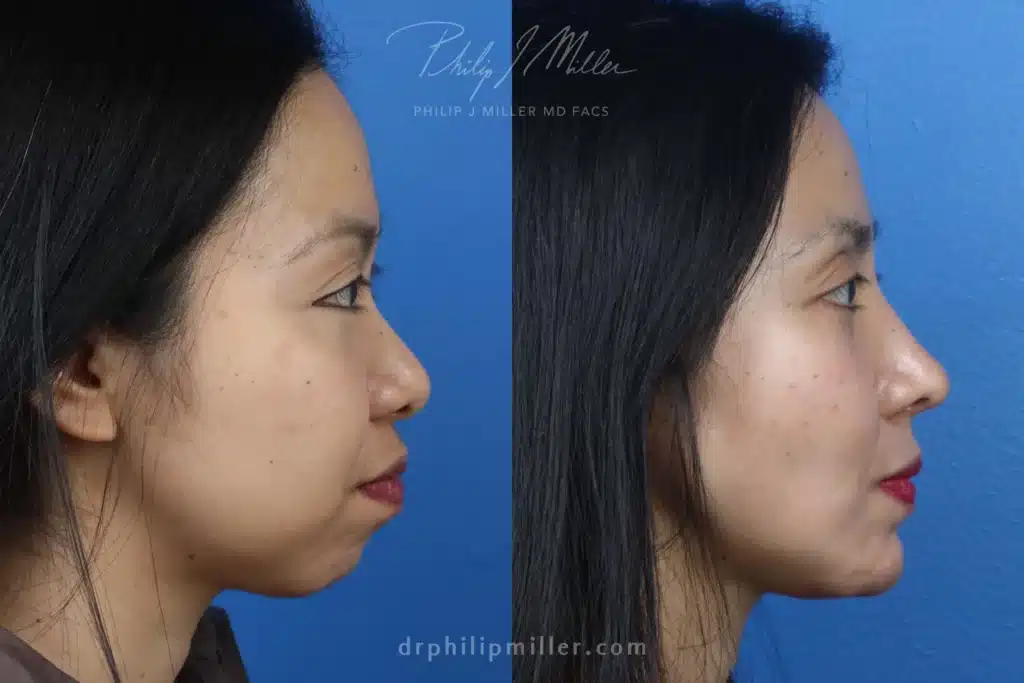
Each ethnicity has a different look and requires a specialized approach to rhinoplasty, including Asian patients. Many Asian patients experience common nose characteristics, including:
- A flat nasal profile
- A slight nasal bridge
- Flared nostrils
- A wide nasal tip
- Poor nasal tip strength
Asian patients often want to:
- Reduce flaring
- Have tip or bridge implants for a more prominent profile
While Korea is an Asian country, Korean rhinoplasty varies from the approach to Asian rhinoplasty. Korean patients experience a flatter nasal profile, slight nasal bridge, broad nasal tip, and wide nostrils. Without overcorrecting, Dr. Miller can:
- Narrow nostrils
- Fix an overly punched tip
- Correct an over-augmented bridge
Dr. Miller is committed to creating a personalized treatment plan with an approach central to your ethnicity. With more than 20 years of experience, Dr. Miller can produce natural and beautiful results in his Manhattan, New York location.
Hispanic/Latino Noses
There are more than 52 million Hispanic and Latino individuals in the United States, making Hispanic rhinoplasty an increasingly popular procedure in Manhattan. There is so much diversity within the Hispanic and Latino communities, it requires special consideration for small ethnic groups regarding rhinoplasty procedures. Hispanic patients share common nasal features such as thick skin and a bulbous nasal tip that is difficult to refine with traditional methods. Other categories include:
- Spanish heritage: a large bridge
- Caribbean heritage: wide, flat nostrils
- Central and South American heritage: flatter nasal tips and bridges

These differences call for three distinct rhinoplasty procedures:
- High bridge with a hump: The cartilage is shaved down, and the bone is rasped to remove the hump
- Under-projected, dependent tip: The tip of the nose is raised and projected with supplemental cartilage
- Shorter, flatter nose with a broad nasal base, thick skin, and a wide tip: The shape of the nose is refined by narrowing the base and raising the bridge
Dr. Miller works extensively with patients on how to approach the procedure and how to maintain a natural and ethnic-looking appearance.
Middle Eastern Noses

Mediterranean and middle eastern rhinoplasty patients experience common nasal characteristics such as:
- Thicker facial skin with fattier tissue
- Longer noses and a higher bridge
- Droopy tips
- Nasal humps
- Asymmetrical nostrils
- Wide bones
The goal of middle eastern rhinoplasty is to create:
- More symmetry
- Facial balance
Less experienced surgeons may create undesirable results, but Dr. Miller is a skilled surgeon that is knowledgeable about ethnic nose reshaping techniques. He can help create the best nose with ethnic rhinoplasty or revision rhinoplasty.
Indian Noses
With special techniques and years of experience, Dr. Miller can improve the shape of Indian noses without impacting ethnic identity with Indian rhinoplasty. Common nose characteristics for this ethnicity include:
- Rounder nasal tip
- Wider nasal structure
- Thicker skin on the nose
- A nasal shape that slopes downward
- Hump or bump on the nasal bridge
You can schedule a consultation in Dr. Miller’s Manhattan office to discuss all your concerns and identify if Indian rhinoplasty is right for you.

Other Types of Noses
There are many other ethnic nose shapes such as Greek, Persian and Jewish noses. Greek noses typically have a straight bridge without bumps or curves. It is a common reference as many rhinoplasty patients want a straight bridge for a sleek-looking profile.
A Persian nose has:
- Large nasal profile
- Downward sloping of the nasal bridge
- Bulbous nasal tip
A Jewish nose has:
- Amorphous nasal tip
- Over projected nasal tip
- Large dorsal hump
Getting Positive Results with Ethnic Rhinoplasty
Dr. Miller utilizes the NatraLook® Process to ensure the most natural and pleasing results for any procedure, especially complex treatments like rhinoplasty. The NatraLook Process is critical to achieving a unified vision and executing intended results specific to ethnicity. Evaluating the entire face is vital to achieving balance, beauty, and natural-looking features.
#1 NYC facial plastic surgeon, Dr. Miller, has years of experience with ethnic patients and has the skills to create natural and ethnically centered rhinoplasty procedures. Contact Dr. Miller’s Manhattan, New York, office to schedule a consultation and learn more about ethnic rhinoplasty.
What is Dorsal Reduction?
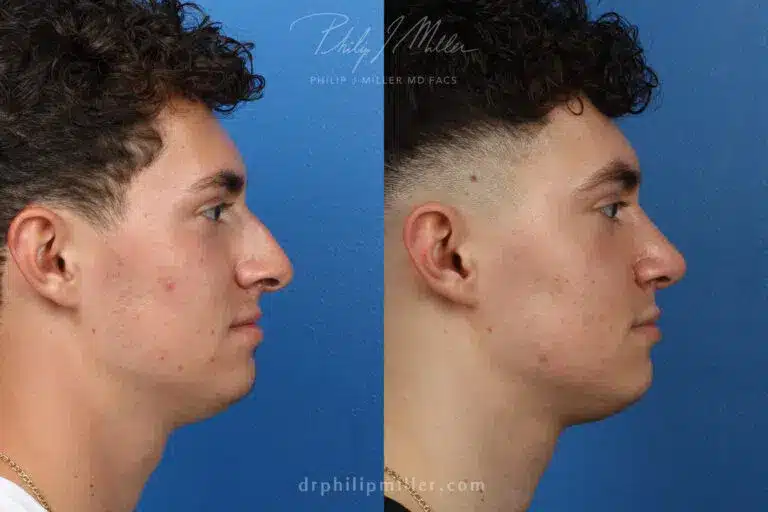
Dorsal reduction rhinoplasty surgery is a procedure that removes excess cartilage and bone from the nose, refining its appearance and improving its proportion to the rest of the face.
Philip J. Miller, MD, FACS, a double board-certified facial plastic surgeon in Manhattan, New York, and one of the country’s foremost experts in rhinoplasty, can assist female and male patients alike in achieving a nose they’ll love. You may elect traditional dorsal reduction rhinoplasty to reshape or reduce the nose. Other patients may benefit from non-surgical rhinoplasty for subtle corrections that achieve their desired aesthetic goals.
What is dorsal reduction?
Dorsal reduction rhinoplasty is a surgery that removes excess cartilage, bone, and skin from the nose, giving it a straighter, more streamlined look. This can help enhance the appearance, create facial symmetry, and improve breathing through the nose by reducing nasal obstruction or deviation.
The procedure can make the bridge of the nose narrower and straighter, and is often performed on patients whose noses are too large for their facial features or who have noses with an unusual shape. Dorsal reduction is often performed on people with prominent noses, such as those of Italian or Greek heritage.

What causes a dorsal hump?
A dorsal hump appears on the slope of the nose from the bridge to the tip and can affect your facial profile. A dorsal hump is most noticeable when viewed from the side of the face.
The majority of dorsal humps are inherited genetically. As a result, if your parents or siblings have a prominent dorsal hump, you may as well. Dorsal humps may occur due to a traumatic physical injury—such as a sports injury or car accident—if the bone or cartilage heals unevenly. Whatever the cause of a dorsal hump, Philip Miller, MD, FACS in Manhattan can correct it and give you an aesthetically pleasing, balanced profile.
Benefits of Dorsal Reduction

The benefits of dorsal reduction rhinoplasty include improved self-confidence and a positive self-image. However, since dorsal humps are often the result of genetic heritage, the procedure may cause identity issues for some ethnic patients. This is why it is so important to rely on an expert surgeon’s skills to achieve the goals of an ethnic nose job without affecting other ethnicity-related facial features.
How is dorsal reduction performed?
Open Rhinoplasty. During an open rhinoplasty, the surgeon makes a small Z-shaped incision between the nostrils on the underside of the nose. The open approach enables the surgeon to make more precise and accurate adjustments to your nose’s shape. Although open rhinoplasty leaves a small scar, it fades quickly with proper care.
Closed Rhinoplasty. Closed rhinoplasty is a procedure in which the surgeon makes incisions inside the nose without affecting the skin. The primary disadvantage of this approach is that the bone, cartilage, and tissue are not visible to the surgeon. However, this procedure results in less swelling than open rhinoplasty and can correct minor flaws.
MicroRhinoplasty. During a MicroRhinoplasty procedure, Dr.Miller accesses the treatment area via a small incision in the nostril. Then, using a specialized microrasp, he meticulously removes the protruding bony layers until the desired contour is achieved. Patients experience minimal discomfort, swelling, and bruising and typically resume normal activities within a few days.
Liquid Rhinoplasty. A liquid—or nonsurgical—rhinoplasty uses dermal fillers to reshape the nose without stitches or incisions. While liquid filler can’t make a nose appear smaller, it can correct minor indentations or asymmetries without requiring surgical intervention.
Recovery After Dorsal Reduction
Most patients are pleasantly surprised by how little pain they experience following dorsal reduction rhinoplasty surgery. The most unpleasant aspect of postoperative recovery is difficulty breathing through the nose for several days because of swelling. This difficulty usually resolves within a week or two. Expect some swelling around your eyes for several weeks. Once the swelling diminishes, you’ll start to see improvement.
You’ll need to follow certain precautions during your recovery period. Because bending or lifting can exacerbate swelling, it’s not recommended for the first three weeks following surgery. No strenuous activity such as running, weight lifting, cycling, or cardio training should be resumed for three weeks. Contact sports should be avoided for six weeks to allow the bones to heal completely. You may drive once the swelling has subsided sufficiently to allow for clear vision. Air travel is permitted 2-3 weeks after your surgery.

Scarring After Dorsal Reduction
The size and location of scars will depend on how extensive your treatment is because dorsal reduction involves removing sections of bone, cartilage, and skin tissue.
Scars from this procedure are typically hidden within the nasal skin creases and won’t be visible when you look straight ahead. Many patients choose topical treatments to minimize scarring.
Is Dorsal Reduction Right for You? Ask the Expert
Why should you consult with Dr. Miller about your dorsal reduction procedure?
- Dr. Miller has over two decades of experience in facial plastic surgery.
- He has performed over 5,000 successful procedures.
- He is a facial plastic surgeon of international renown.
- He blends art and science to provide his patients with beautiful, natural-looking results.
In addition to these qualifications, Dr. Miller offers his patients the exclusive NatraLook process, which combines minimally invasive techniques and advanced procedures to help each patient achieve the Aesthetic Confidence® they desire.
Schedule a Dorsal Reduction Consultation in New York
To learn more about dorsal reduction rhinoplasty in Manhattan, contact our office to set up a consultation with Dr. Miller, #1 NYC facial plastic surgeon. You can fill out our convenient contact form or call us. One of our patient advisers will be happy to help you start the journey to a new, improved you.
What is External Rhinoplasty?
One of the most important steps during your rhinoplasty consultation is determining whether you are a better candidate for external (open) or endonasal (closed) rhinoplasty. While both procedures can achieve exceptional results, the exact technique that your facial plastic surgeon uses will be determined by your unique concerns and nasal structure. This blog puts the spotlight on what external rhinoplasty is and its advantages.
Whether you are a better candidate for external rhinoplasty or a different technique, double board-certified facial plastic surgeon, Philip J. Miller, MD, FACS, has the artistic skill and experience to reshape or reconstruct your nose for enhanced facial symmetry. He is your Manhattan, New York, and New Orleans, Louisiana, expert on all types of rhinoplasty techniques, and it is his goal to bring balance to your features and achieve beautiful, natural-looking results.
What is External Rhinoplasty?
External rhinoplasty is a rhinoplasty technique in which Dr. Miller makes a small incision in the columella (the piece of tissue that separates the nostrils) in a Z-shaped pattern. This common technique opens the tip of the nose to reveal its internal structures, improving surgical access and allowing Dr. Miller to fold the nasal skin upwards.
Because of enhanced visibility while maneuvering through the bone, cartilage, and tissue that make up the nose, Dr. Miller can reshape the nose and repair damage without jeopardizing its structural support.

External vs. Endonasal Rhinoplasty
An endonasal rhinoplasty is a procedure in which all incisions are confined to the inside of the nostrils. During the procedure, Dr. Miller carefully lifts the underlying bone, cartilage, and tissue through the nostrils, and while visible scarring is prevented, considerable challenges and technical limitations are associated with the lack of surgical access.
A closed rhinoplasty is especially appealing for those who want to make minor modifications to their nose. It’s also ideal if you have breathing problems, such as chronic sinusitis. And with no external incisions, the skin between the tip and nasal bridge remains intact. This means a shorter recovery time for patients. But this more conservative rhinoplasty isn’t right for everyone.

Dr. Miller typically recommends external rhinoplasties for patients with more complex structural concerns, such as:
- A severely crooked nose
- Nasal trauma or deformities
- An asymmetrical tip
- A large nasal tip
- A large dorsal hump (bump on the nasal bridge)
External rhinoplasty is also best for revision rhinoplasty in most cases. If you’ve had rhinoplasty in the past and are unhappy with the results, Dr. Miller will typically recommend external rhinoplasty to address your concerns.
Benefits of External Rhinoplasty
There are two main advantages to an external rhinoplasty procedure:
Improved precision: The greatest benefit of performing external rhinoplasty is better access. Opening the columella allows Dr. Miller to see the internal structures of your nose. As a result, he can correct complex nasal deformities with precision and accuracy. Clear visibility also allows him to preserve as much of your tissue, cartilage, and bone as possible because he can reshape rather than simply remove them. Many patients may have underlying asymmetry issues with their cartilages, and these can only be visualized and treated through an open approach.
Preservation of structural support: Because of better visualization of almost the entire nasal framework, individual components can be accessed in their natural, undisturbed alignment. And by expanding his entry to the nasal components, Dr. Miller can maintain the nose’s structural stability. He’s able to create dramatic results without disrupting much of the surrounding bone, cartilage, and tissue.
How is External Rhinoplasty Performed?
Dr. Miller begins an external rhinoplasty by making a small incision in the columella. He will lift away nasal skin, pulling it up so he can work on bone and cartilage in their natural alignment. After he makes the necessary alterations to reshape the nose or repair any damage, he will re-drape the skin and suture it in place. A small splint is typically taped over the nasal bridge and will be removed one week after surgery.

Recovery After External Rhinoplasty
You will experience nasal stuffiness after your procedure which will subside after the first several weeks. The splint, which helps protect and support your nose, will be removed about one week after your surgery. When the splint comes off, you may see some bruising and swelling under the eyes which are temporary and can easily be covered by make-up. Most patients are usually back to performing most activities after 2-4 weeks.
Dr. Miller will provide you with an extensive list of rhinoplasty post-op instructions. This is by far the most effective way to help ensure a smooth post-op recovery process and reduce the chance for risks and complications.
Scarring After External Rhinoplasty
Since an open rhinoplasty requires an external incision, you may have minor scarring after the procedure. Fortunately, the Z-shaped incision is very small, so the scarring should fade with time.
Dr. Miller also takes your skin and facial structure into consideration before making the incision. This step ensures that the scar is barely visible as it is between the nostrils at the base of the nose. In most cases, you will be the only one that knows it’s there.
Is External Rhinoplasty Right For You? Ask the Expert
Determining the best type of rhinoplasty for you depends entirely on the concerns you want to address. Neither technique is necessarily better than the other.
To ensure you achieve the best results possible, Dr. Miller offers a proprietary consultation process called NatraLook. During your NatraLook consultation, he evaluates your nose and facial features while listening to your concerns and goals. This process expands the typical plastic surgery experience into a safe, collaborative environment where you can explore your aesthetic confidence and create a unified vision for your outcome.
Contact an Expert Facial Plastic Surgeon to Learn More About Rhinoplasty in New York City
To learn more about the different types of rhinoplasty procedures Dr. Miller performs and to find out which technique is best for you, contact our New York City plastic surgery clinic today.
5 Clues You Might Need Revision Rhinoplasty
Problems with your rhinoplasty procedure? Not happy with the results? Don’t lose hope—you can still achieve the look and functionality you want with revision rhinoplasty. Revision rhinoplasty is a surgical procedure to correct undesirable outcomes or treat persistent issues the original surgery did not address.
Philip Miller MD, FACS, a double board-certified facial plastic and reconstructive surgeon, can perform successful rhinoplasty and revision rhinoplasty procedures in Manhattan, New York. Dr. Miller has more than two decades of experience performing surgical and non-surgical procedures and can help you reach aesthetic confidence with revision rhinoplasty.
Why is revision rhinoplasty so common?
Revision procedures are common because the initial rhinoplasty is one of the most complex of all plastic surgery procedures. Some plastic surgeons do not have the skills, experience, and training to perform this procedure well, leading to botched surgeries and undesirable results.
The nose contains thin cartilage that requires expert handling to achieve successful cosmetic or functional outcomes. A study from the Aesthetic Surgery Journal found the average rate for revision rhinoplasty to be nearly 10%. Other factors that include increased revision rhinoplasty rates include:
- Outdated techniques or equipment
- Lack of doctor-patient communication
- Complications that impact the healing process and results
There are several common indicators that revision rhinoplasty may work for you. Take a look:
Clue #1: Your Nose is Not Symmetrical
Many patients feel their nose looks asymmetrical after rhinoplasty and that it was not adequately shaped. A poorly performed rhinoplasty procedure can result in a nose that appears uneven, disproportionate, or even off-center. Revision rhinoplasty can create a more natural, even look to compliment your entire facial structure.
After completely healing from rhinoplasty, you can assess the symmetry of your nose, and if you are unsatisfied, revision rhinoplasty may be right for you.

Clue #2: Your Results don’t Look Natural

An initial rhinoplasty procedure may have removed too much or too little tissue and can lead to an unnatural nose shape. It can also cause a build-up of scar tissue that needs to be surgically removed. Unnatural-looking noses can be resolved with revision surgery. Potential unnatural-looking results include:
- Pinched Tip: A frequent complaint where the end of the nose appears compressed and leads to unwanted aesthetics and impaired breathing. This occurs when too much cartilage is removed from the tip of the nose, diminishing support over time.
- Short Nose: Just as it sounds, a nose can appear short and stubby due to the removal of too much cartilage. Specialized grafts act as support and restore a longer, more natural-looking shape.
- Crooked Nose: Typically derived from nasal trauma or a result of an initial rhinoplasty, a crooked or twisted nose is uneven and unnatural. Revision can rearrange the cartilage and bone to create a symmetrical, pleasing look.
Dr. Miller utilizes the NatraLook® Process to ensure the most natural and pleasing results. The NatraLook Process is critical to achieving a unified vision and executing intended results. Evaluating the entire face and how features relate to each other, as well as skin quality and thickness, all play a part in creating a beautiful, natural look.
While an unsatisfactory rhinoplasty can be very upsetting to a patient who has invested time and money into the process, many issues can be resolved with revision rhinoplasty. Dr. Miller performs revision procedures in his Manhattan, New York office to restore your confidence and achieve a natural look.
Clue #3: You are Disappointed in Your Results
If doctor-patient communication was lacking, or the procedure did not go as planned, many patients can feel disappointed in the results. Skill and experience are not the same. Surgeons may know how to do some nose shapes and resizing but may not have as much experience with a broader range of requests and or techniques. Your nose should be proportional and harmonious with other facial features, which means rhinoplasty is not a one-size-fits-all endeavor.
Even if the shape is ideal, patients may find other imperfections that cause dissatisfaction. Revision rhinoplasty can refine subtle areas such as:

- Narrowing the nostrils
- Lifting the nasal tip
- Thinning or lifting the tissue that separates the nostrils
- Smoothing bumps on the surface of the nose
Revision rhinoplasty is a solution for major or minor alterations so that you feel good about your look. Dr. Miller uses his years of expertise to create patient-centric plans that result in stunning aesthetics to satisfy individual beauty goals.
Clue #4: Your Nose isn’t Working Properly

Not only should your nose look amazing, but it should also function properly. Improper nose function can be due to rhinoplasty surgery that does not heal properly or a functional issue that was not resolved or was created from a rhinoplasty procedure. The nose is a significant structure that impacts breathing and sinus issues. Revision rhinoplasty can help you get your dream nose and optimize function to reduce or eliminate problems that can interfere with breathing and sleep.
Clue #5: An Injury Occurred Since Your First Surgery
Rhinoplasty is a superior choice for nose shaping and sizing, but it does not make your nose invincible. The nose is still susceptible to injury and trauma, especially within a year or two after surgery. Due to the restructuring of cartilage and tissue, the nose can often be more fragile. If you endure an injury or trauma to the nose, it can be repaired through revision rhinoplasty. Dr. Miller works closely with Manhattan patients to ensure cosmetic and functional concerns are addressed when trauma or injury has occurred.
How Long Should You Wait for Revision Rhinoplasty?
Healing varies by individual, but most surgeons request patients wait 12-18 months before undergoing secondary rhinoplasty surgery. The healing process is long and crucial for the nose to take its final form or function. The duration of swelling varies by patient and can cause the nose to look different than it will when completely healed. Rushing into a revision surgery is dangerous and can cause unnatural and unsatisfactory results.
Choosing Your Revision Rhinoplasty Surgeon
Plastic surgery is not a guaranteed process, but choosing an expert surgeon with years of experience and developed skills can positively impact results. Do not assume all plastic surgeons are the same—research a surgeon and their practice before committing, and do not be afraid to ask hard questions. A consultation is a time to learn more about the procedure, a surgeon’s credentials, and experience.
Dr. Miller is a highly reputable, double board-certified plastic surgeon with more than two decades of experience in cosmetic medicine. With his expert team, Dr. Miller has a high success rate of facial surgery procedures and has been voted among the Best Doctors in America for the past 10 years and Top Doctor of New York City. He uses innovative techniques for rhinoplasty and revision rhinoplasty that helps patients achieve their desired look and function.
Contact us today online or by calling 646-791-3025 to see if revision rhinoplasty is right for you.
5 Rhinoplasty Trends in 2022
Rhinoplasty surgery was the most frequently requested cosmetic surgery in 2020, with over 352,000 procedures performed.
Facial plastic surgeon, Dr. Philip Miller in New York City—one of the country’s leading experts in rhinoplasty and facial rejuvenation—can help you achieve a nose you’ll love. You may choose traditional rhinoplasty to reduce or reshape the nose. For other patients, non-surgical rhinoplasty is the right choice to achieve their aesthetic goals.

1. Zoom Boom Brings Rhinoplasty Boom
Because of the COVID-19 pandemic, 2020 was a challenging year for many businesses. But for Zoom, the video-conferencing giant, lockdown and working from home brought unprecedented growth.
Zoom usage jumped 67% between January 2020 and mid-March, when non-essential businesses and schools closed. The Zoom Boom also resulted in significant growth to an entirely different industry—cosmetic surgery.
The built-in cameras on our computers are clearly not designed to flatter the human face, and many people weren’t pleased with the reflection they saw on their computer screens.
The unflattering camera angle highlights facial flaws, such as wrinkling and sagging. People noticed unfamiliar lines, creases, and asymmetries as they saw themselves speaking on camera.
It’s not surprising that the Zoom phenomenon caused a booming demand for cosmetic procedures such as dermal injectables, laser treatments, and eye lifts.
On a Zoom conference call, the position of the computer’s camera relative to the user puts the focus on the center of the face, making the nose appear larger. As a result, demand for rhinoplasty significantly increased as well, and will likely continue into the New Year.
2. The Need for Natural

In Manhattan, Dr. Miller is renowned for the natural results he achieves for his patients, both with traditional rhinoplasty—for patients desiring more significant changes and permanent results—as well as non-surgical rhinoplasty, for patients seeking relatively minor corrections. As demands for natural results will continue to be a factor in 2022, Dr. Miller is prepared to deliver satisfying results to his New York patients.
Rhinoplasty, also known as a nose job, is a surgical procedure that can improve the appearance of the nose by reshaping, reducing, augmenting the tissue, removing a bump, or adjusting the angle between the nose and the mouth.
A major benefit of rhinoplasty is that it’s typically a “one-and-done” procedure. Once the surgery is complete and the nose has fully healed, patients can enjoy the improvements over their lifetime.
If you’re dissatisfied with your nose because of minor depressions or hollows that affect its overall appearance, non-surgical rhinoplasty may be the right solution for you. Non-surgical nose jobs are safe and effective, providing immediate results with exceptionally short recovery time. With this non-invasive procedure, injectable fillers are used to make small yet dramatic modifications to the nose.
Non-surgical rhinoplasty has its limitations, however. Since corrections are made with dermal fillers that ultimately dissolve, results aren’t permanent. Non-surgical nose jobs aren’t appropriate for every nose and can’t reduce the size of the nose.
Results will vary by patient, but the longevity of a non-surgical nose job is typically between 8-24 months. During your consultation, Dr. Miller will determine which fillers might help you achieve the best results and how long the improvement might last.
3. Faster Recovery Times
Plastic surgeons today are starting to use techniques to minimize post-procedure discomfort and healing time. Rhinoplasty is typically performed as an outpatient procedure under general anesthesia, and patients return home on the same day. While you may be up and moving within 24 hours, expect to take up to a week off from work or school as you heal.
For the first several days, you’ll need to keep your head elevated and apply ice packs to reduce swelling. Most swelling and bruising subsides within a week following rhinoplasty. Nasal dressings, splints, and sutures are removed at about seven days after surgery. At this point, any residual bruising can be effectively camouflaged with makeup. Most patients feel comfortable appearing in public at about 7-10 days post-surgery.
Swelling will continue to subside and the nose may continue to improve in definition for up to a year after surgery. However, beyond the first week, these changes are subtle and typically not noticed by others. Many patients are pleasantly surprised at how quickly they recover from rhinoplasty.
4. The Combination Approach
Achieving facial balance sometimes means making adjustments to the chin at the same time as the nose. Dr. Miller’s expertise with both procedures produces superior results.
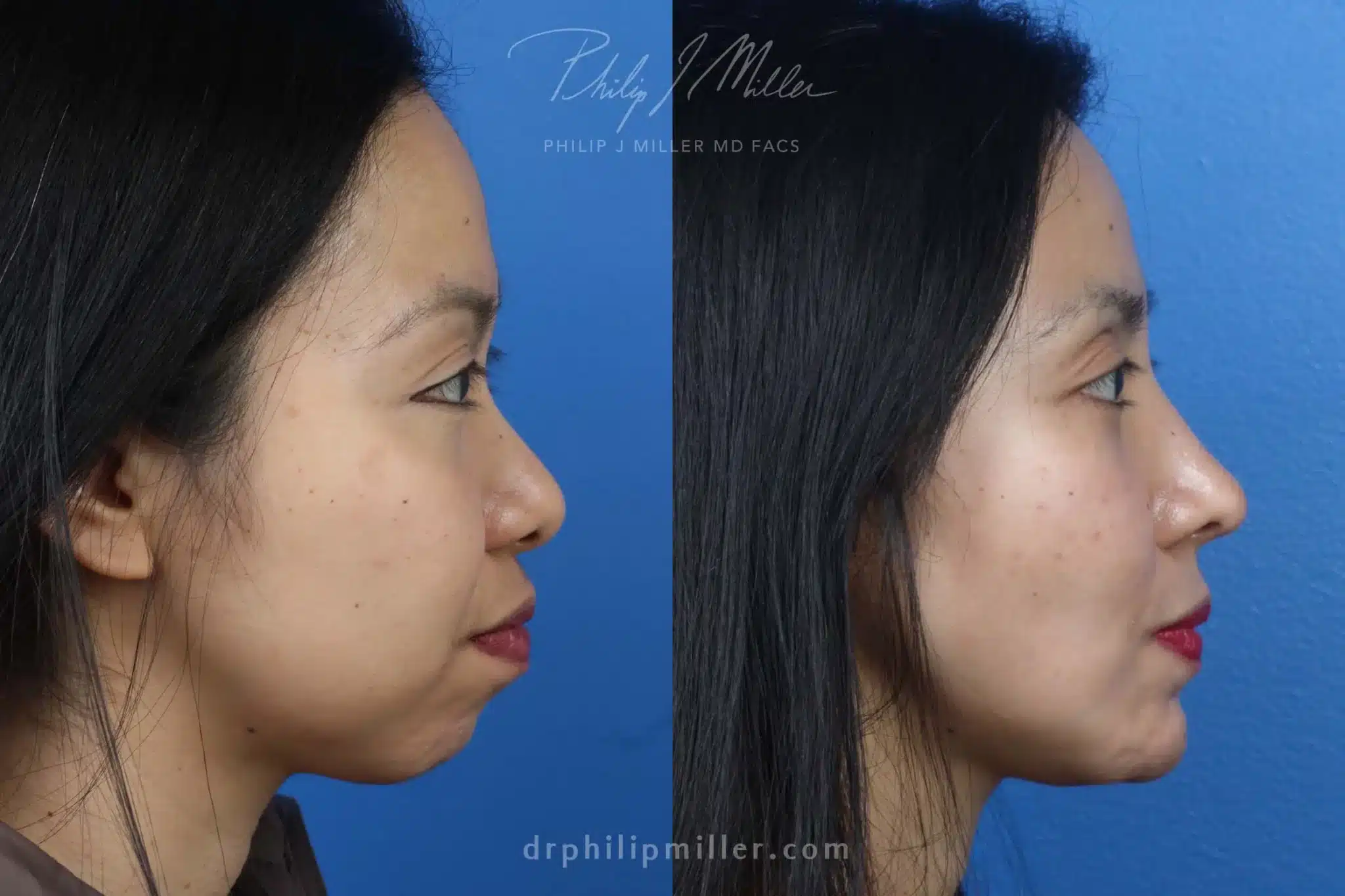 When rhinoplasty surgery is performed to improve the overall shape and appearance of a nose, a receding chin could diminish the aesthetic effect of the face, making it look unbalanced.
To achieve the best possible results with rhinoplasty, the proportions of the entire face must be considered. If your chin is well defined and proportionate to your new nose, your overall appearance will be aesthetically enhanced by rhinoplasty alone.
If you have a receding chin, however, chin augmentation surgery performed along with rhinoplasty surgery can give your face balance that rhinoplasty alone could not have achieved. Therefore, many board-certified plastic surgeons are beginning to suggest chin augmentation with rhinoplasty for certain patients.
Recovery after a chin implant takes around two weeks. You may experience swelling, tenderness, and bruising in the chin area immediately after the procedure, but most of these symptoms will diminish within about a week. Eating soft foods during the first week after surgery will help to make your recovery period more comfortable.
5. Image Morphing
The ability to “see” your results before surgery is a benefit that more patients are wanting from their rhinoplasty surgeon. At his Manhattan office, Dr. Miller uses computer imaging to help patients visualize their new nose before undergoing surgery. Besides helping communicate the goals of the patient to the surgeon before the procedure, image morphing also helps ensure patient expectations are in line with results.
If you have difficulty visualizing what your ‘after’ may look like, image morphing can help. While the final result may not be absolutely identical to the morphed picture, it provides a good idea of what you can expect.
The NatraLook Process
Aesthetic Confidence is the sense of empowerment we feel about the way we look, dress, design, and decorate. It dovetails with confidence in our abilities, intellect, and emotions. The NatraLook Process focuses exclusively on the look component of Aesthetic Confidence. The NatraLook Process is an enriching experience through which you explore and ultimately boost your aesthetic confidence by enhancing your appearance.
The NatraLook process evaluates and expands the typical plastic surgery experience into a safe, non-intimidating opportunity to explore your aesthetic confidence. It creates a unified vision of your desired result so that you and New York surgeon Dr. Philip Miller know what to expect.
Contact an Expert Plastic Surgeon to Learn More About Rhinoplasty in New York City
Whichever procedure you ultimately choose, Dr. Miller can help you achieve your goals. His approach combines art and science with skill and innovation, providing patients in Manhattan, New York, aesthetically pleasing, natural results that are always in style.
To learn more about rhinoplasty surgery and non-surgical nose jobs, contact us online or call our practice in New York. One of our patient advisers will be happy to help you.
Fresh Face for Fall
Have you been considering cosmetic work, but aren’t sure when the best time may be to have your procedure? Fall is the perfect time for several reasons, so schedule your consultation now.
4 Reasons Fall is the Perfect Time for Cosmetic Surgery
1. Avoid the sun and heat.
With the cool autumn weather, you won’t have to worry about inflammation or skin damage from sun exposure or hot temperatures.
2. Recover before the holidays.
If you have your surgery done in the fall, you can recover before the festivities begin. You’ll feel refreshed and ready to enjoy time with your loved ones during the holiday season.
3. Greater Scheduling Flexibility.
Many patients schedule cosmetic procedures in late winter or early spring. By scheduling your cosmetic procedure during the fall, you’re more likely to get the best appointment date for your schedule.
4. Treat yourself before the holidays.
Before the frenzy of the holiday season begins, why not treat yourself to some much-deserved self care and a new look to greet the New Year?
Turn Back the Clock with a Facelift
Manhattan’s world-renowned facial plastic surgeon, Dr. Philip Miller, specializes in facelifts and rhinoplasty. He offers several facelift options: a traditional facelift, a mini facelift, a Micro Lift, or the proprietary Miller lift. One of these is sure to be the right one for you.
Facelift Options
A facelift, or rhytidectomy, may be the perfect procedure for you if you’re looking for results that significantly turn back the clock. This procedure removes excess or sagging facial skin for a renewed, youthful look.
During a traditional facelift, incisions are made at the hairline and continue in front of and behind the ears, extending to the lower scalp. Fat can be redistributed from your face and neck through these incisions, or liposuction may be used for the removal of excess fat. Muscles and skin are lifted and tightened.

Incisions made during facelift surgery are hidden in the natural creases of your face and hairline, and meticulously closed with sutures to minimize visibility after your procedure. Drainage tubes may be inserted but can be removed in 1-2 days. Sutures are removed between 5-10 days.
A mini facelift targets those areas of the face that are just beginning to wrinkle and sag. The incisions are shorter than a traditional facelift, and often confined to the front of the ear only. The mini facelift requires local anesthesia and can be performed in 90 minutes or less.
The innovative, minimally invasive Micro Lift mimics the improved appearance that comes with pulled-back hair. It can be a perfect option for patients in their 20s-40s who want to erase early signs of aging. Comfortable, safe, quick, and performed under local anesthesia, the Micro Lift takes less than an hour in the office and requires little post-procedure downtime.

The Miller Lift is a proprietary, custom-designed liquid facelift technique that uses a combination of fillers, such as Juvéderm® and Restylane®, to soften and fill out lines and wrinkles. Besides smoothing wrinkles, facial fillers can address volume loss in the cheeks, chin, lips, and other contours of the face.
Along with facial fillers, Dr. Miller performs injections of Botox Cosmetic® to address the dynamic wrinkles associated with facial expressions, such as forehead wrinkles, frown lines, and crow’s feet. Collagen stimulators, such as Sculptra, and fat eliminators, such as Kybella, round out the Miller Lift. Results can last for up to two years.
Achieve Balance with a Rhinoplasty
Surgical vs. Non-Surgical Rhinoplasty
Surgical rhinoplasty, also known as a nose job, adjusts, corrects, or reduces the look of the nose. Dr. Miller will consider the prominence of your cheeks, your jawline, your skin thickness and quality, and the overall dimensions of your nose before advising you how to achieve the changes you want while maintaining overall facial balance.
A major benefit of rhinoplasty is that it’s typically a “one-and-done” procedure. Once the procedure is complete and the nose has fully healed, patients can enjoy the results for a lifetime.
Non-surgical rhinoplasty, also known as liquid rhinoplasty, uses injectable fillers to make subtle, yet dramatic changes to your appearance.
Non-surgical nose jobs are safe and effective, providing immediate results with exceptionally short recovery time. With this non-invasive procedure, injectable fillers are used to make small yet dramatic modifications to the nose.
Non-surgical rhinoplasty has its limitations, however. Since corrections are made with dermal fillers that ultimately dissolve, results aren’t permanent. Non-surgical nose jobs aren’t appropriate for every nose and can’t reduce the size of the nose.
Results will vary by patient, but the longevity of a non-surgical nose job is typically between 8-24 months. During your consultation, Dr. Miller will give you an idea about what you might expect from your results as well as how long they might last.
Quick Pick-Me-Ups: Botox and Dermal Fillers
Surgery isn’t your only option for rejuvenating your appearance. Injectables minimize wrinkles and add volume in areas that lack fullness. With little-to-no downtime, injectables deliver results in a matter of days so that you can enjoy your fresh, youthful appearance right away.
Botox relaxes the muscles that pull on the skin to form wrinkles. Botox Cosmetic is superior to dermal fillers for minimizing frown lines, horizontal furrows on the forehead, and crow’s feet around the eyes. It can also be used around the lips, around the nose, or on the bands of the neck. Results last up to four months.
Dermal fillers, including Restylane® and Juvéderm®, are gel-like substances that restore volume. They fill in creases and static wrinkles, which form from gradual volume loss. Hollow cheeks, saggy jowls, and under-eye bags are common treatment areas for dermal fillers, which can last up to 12 months or more.

Dr. Miller and his team of skin specialists in New York provide the latest and most effective wrinkle treatments. Using various injectables, Dr. Miller can restore facial volume, reduce deep wrinkles, and help rejuvenate and lift the face.
Natural Results for a Beautiful 2022
Aesthetic Confidence® is the sense of empowerment we feel about the way we look, dress, design, and decorate. It dovetails with confidence in our abilities, intellect, and emotions. The NatraLook Process focuses exclusively on the look component of Aesthetic Confidence. The NatraLook Process is an enriching experience through which you can explore and ultimately boost your aesthetic confidence by enhancing your appearance.
The NatraLook process evaluates and expands the typical plastic surgery experience into a safe, non-intimidating opportunity to explore your aesthetic confidence. It provides a reassuring, supportive, and positive environment. It creates a unified vision of your desired result so that you and New York surgeon Dr. Philip Miller know what to expect.
The Next Step: Consulting with a Plastic Surgeon
Renowned for producing natural-looking results that exceed expectations, Dr. Philip Miller and his team of New York City’s top-rated facial plastic surgery experts provide custom cosmetic treatment plans. These include a combination of minimally invasive techniques and advanced procedures to help each patient achieve the Aesthetic Confidence® they desire.
After a comprehensive facial evaluation, Dr. Miller can recommend the best treatments to meet your goals. To discuss your full range of treatment options, contact his plastic surgery office today.