Alarplasty / Wide Nostril Reduction Surgery in New York
The ideal nose creates a triangle shape with symmetrical nostrils that are of proportionate size.
Whether owing to ethnic heritage or genetic makeup, many NYC patients with wide, large, or long nostrils and a bulbous nasal tip are often unhappy with their nose because it does not complement the rest of their facial features. Wide or flared nostrils can sometimes create or contribute to the appearance of an oversized nose that prevents people from achieving facial harmony. Rhinoplasty can be a surgical option that improves the appearance of the nose and facial balance overall.
Philip J. Miller, MD, FACS, specializes in nose, nostril, and alar base reduction surgery in NYC. Alarplasty is a cosmetic procedure for nostril reshaping. For those who want to reduce their nostril size, alter their nostril shape, or correct a crease on the nose, alar reduction or nostril narrowing helps patients achieve a nose that looks symmetrical.
Dr. Miller performs flared nostril reduction surgery to address overly wide or big nostrils in his NYC office for a variety of patients.
How Do You Make Your Nose Smaller?
For reduction rhinoplasty or nose size reduction, Dr. Miller uses a small, wedge-shaped piece of nasal soft tissue which is removed from where the nostril connects to the cheek at the alar base. The rhinoplasty stitches on the nose cause the skin to achieve a narrower position at the base of the nose. Dr. Miller makes incisions either inside or at the base of the nose, typically hidden within the natural nose crease. The result is narrow or smaller nostrils and minimal to no obvious alarplasty scars.
You may learn more about rhinoplasty terminology here.
What Does Alarplasty Treat?
Alarplasty treats the following cosmetic concerns:
- Nasal shape – Changes to the alar nose or alar crease make the nostrils smaller, creating an overall narrower nose shape.
- Nasal size – Through nostrils surgery, different sized nostrils can be corrected and nostril size reduction can be achieved.
- Breathing issues – Whether performed alone or combined with rhinoplasty, nostril surgery can correct asymmetry issues or different size nostrils, enabling better airflow and breathing function.

Dr. Miller’s Approach to Nose Reduction Surgery
If you are considering nose reduction surgery in NYC, the importance of a plastic surgeon’s expertise and experience cannot be overstated. Wide nostril rhinoplasty requires a facial plastic surgeon who is well-versed in the latest rhinoplasty techniques and has intricate knowledge of nasal anatomy. It is a good idea to view the surgeon’s before and after photos of previous patients to get an idea of the work and the type of results you can expect to achieve.
Dr. Miller is a double-board certified facial plastic surgeon with offices in both New York City and New Orleans. He brings more than two decades of experience and is considered by his peers to be an expert in rhinoplasty and facial rejuvenation procedures. He develops personalized treatment plans that combine desired changes with the preservation of their unique features, including ethnic identity, for the best possible results.

If you are considering nose reduction surgery in NYC, the importance of a plastic surgeon’s expertise and experience cannot be overstated. Wide nostril rhinoplasty requires a facial plastic surgeon who is well-versed in the latest rhinoplasty techniques and has intricate knowledge of nasal anatomy. It is a good idea to view the surgeon’s before and after photos of previous patients to get an idea of the work and the type of results you can expect to achieve.
Dr. Miller is a double-board certified facial plastic surgeon with offices in both New York City and New Orleans. He brings more than two decades of experience and is considered by his peers to be an expert in rhinoplasty and facial rejuvenation procedures. He develops personalized treatment plans that combine desired changes with the preservation of their unique features, including ethnic identity, for the best possible results.
His proprietary consultation process is known as Natralook, which is a process that includes an evaluation of the patient’s nose and other facial features while considering carefully the patient’s specific issues and aesthetic goals. NatraLook enhances the usual plastic surgery experience into a safe, collaborative environment where patients can explore their aesthetic confidence. Dr. Miller works with each of his patients to create a unified vision for optimal results and the most natural outcome possible.
Alarplasty Before and After


Am I a candidate for alar base reduction?
If you are dissatisfied with your appearance because your nostrils are too long or wide, you are a potential candidate for alar base reduction. Those who want to refine the results of their previous rhinoplasty or would like to address a traumatic facial injury can also benefit from a nose job for the nostrils.
The ideal rhinoplasty nostril reduction candidates are non-smokers, in good general health, and at least 16 years of age to ensure the facial features are fully developed. Noses reach full growth in girls between the ages of 13-14 and boys between 15-16. The first step in determining your candidacy for a nose job is to set up a consultation with Dr. Miller.
Nostril Reduction Surgery FAQ
What are the benefits of nostril reduction rhinoplasty?
- Improved appearance – Nostril reduction can produce a whole new look. Whether you want subtle or distinctive changes, a new nostril shape can be the foundation for a new you.
- Increased self-confidence – When you feel good about how the world sees you, you feel good about yourself. Even small changes can make a big difference and help you gain confidence in your appearance.
- Better health – Perhaps it isn’t just your large nostrils that have you bothered. Maybe having one nostril smaller than the other is causing you breathing difficulties or other health problems. A rhinoplasty reduction or alar crease reduction can improve both the nose’s appearance and functionality, allowing you to breathe easier.
How much does alarplasty cost in NYC?
Nostril reduction costs anywhere between $6,000 to $9,000 in New York City. This is the average price for the area, but the true cost varies from patient to patient, depending on factors such as the patient’s aesthetic goals, the length and involvement of the surgery, anesthesia and facility fees, and the surgeon’s experience. The actual cost will be provided during your consultation. For more information on alar base reduction cost, please contact Dr. Miller at his Manhattan, New York, or New Orleans, Louisiana, plastic surgery office.
How will the procedure go?
Dr. Miller will make an incision in the nose’s alar region where the nostrils meet the cheeks, either inside or at the base of the nose. He will sculpt the tissue and then close the incisions with sutures to reinforce the narrower shape of the alar base.
Dr. Miller can perform a nose job for big nostrils under local anesthesia in less than one hour. Alarplasty is performed on an outpatient basis, and you will be released to go home after your surgery.
What does recovery from alarplasty look like?
Recovery time is relatively quick. Unlike a typical rhinoplasty procedure, no cartilage or bone is removed in an alarplasty. Any swelling, bruising, and tenderness will be resolved within 1-2 weeks, and stitches will be removed around the same time. Most patients can resume their normal activities within one week. Strenuous activities must be avoided for 2-3 weeks after surgery. Full recovery from alarplasty typically takes 1-3 months.
Does it hurt?
Typically, alarplasty alone can be performed under local anesthesia, and the surgery is well tolerated. It is a quick procedure and done in a very conservative manner. Pain medication is provided and may be taken to alleviate any pain, although few find it necessary.
It is important to discuss all your concerns with your surgeon before your surgery. Dr. Miller will be able to set your expectations for your recovery and recommend specific after-care solutions to make your healing process as smooth as possible.
Will insurance cover my wide nostril reduction surgery?
If the reason for rhinoplasty reduction is purely cosmetic, it is not covered by insurance. If it is provided to correct breathing or other functional issues, then it may be covered by your insurance policy.
Schedule an Alarplasty Consultation in New York
Learn more about alarplasty or wide nostril reduction surgery in NYC by contacting us to schedule a consultation with Dr. Miller. You may fill out our contact form or contact us at (646) 791-3025. You will be put in touch with a patient advisor who will help you get started on your rhinoplasty goals.
Next, learn about Hispanic rhinoplasty.
Teen Rhinoplasty
Teen rhinoplasty is the most-often requested procedure by teenage patients in New York City. This is not surprising given today’s societal pressure to fit in combined the popularity of social media websites and the “selfie” culture that comes with it.
While some professionals assert that teens are not mature enough to understand or deal with the implications of plastic surgery, Dr. Philip Miller believes that parental involvement and careful patient selection can ensure the process is beneficial and highly successful for the right adolescent patient.
How Does Dr. Miller Evaluate a Teen Rhinoplasty Candidate?
Dr. Miller takes a very conservative approach to evaluating teenage rhinoplasty patients in New York City. He understands that it is critically important for these patients to have realistic expectations about the procedure’s outcome. He is careful to ensure that the teen does not view rhinoplasty as a “cure all” solution. Dr. Miller’s careful screening process – which includes both the teen and parents – is a testament to the special professional responsibility he assumes for this particular type of patient. He does a thorough assessment to ensure the teen is psychologically mature enough for the entire process and that the teen fully understands the benefits and potential risks. In some cases, Dr. Miller may also call upon a psychologist to assist with the evaluation process. Dr. Miller does not accept every teenage rhinoplasty candidate with whom he consults. As a responsible medical professional, he believes his ultimate obligation is to ensure that the nose job procedures are only performed on those teenagers who are physically and psychologically ready for all aspects of the surgery.

What Are the Benefits of Teen Nose Job Surgery by Dr. Miller?
For the teenage rhinoplasty patient, the benefits of a nose job surgery can be great.
Improved Self-Confidence
The teenage years are difficult under the best of circumstances. With social media, “selfies” and bullying at all-time highs, today’s teen faces an endless amount of pressure. When a teen’s focus of dissatisfaction is his or her nose, it can overshadow all other aspects of day-to-day life and make the teen years an unpleasant experience. Often times, these concerns can be easily corrected with a nose job. Teens recover quickly from rhinoplasty procedures, and end results can be positively life-changing.
Better Health
In some cases, teens require rhinoplasty to address structural deficiencies that cause breathing difficulties. Whether caused by nature, accident or trauma, misshapen noses can cause other significant health issues, such as interrupted sleep patterns. Poor sleep has a negative impact on all aspects of a teen’s life. With rhinoplasty, a teenager can alleviate any structural abnormalities and enjoy a return to a healthy, normal breathing state.
Comfortable Breathing
Often times, through accident or traumatic injury, a teen’s nose can be damaged, resulting in obstructed nasal passages that impede his or her ability to easily breathe. A nose job, often combined with other procedures like septoplasty, can correct these structural issues and allow the teen to return to normal, natural appearance and functionality.

At What Age Can a Teen do a Nose Job?
If you are a teenager considering rhinoplasty, your nose must have reached full development. This typically happens between the ages of 14-15 for girls, and 16-18 for boys. The average ages of Dr. Miller’s teen rhinoplasty patients runs from age 15 to 19.
Dr. Miller does not advise any teen to get rhinoplasty before their nose has fully matured. He will assess a patient’s nasal bones, cartilage, and septum to determine if the patient’s nose is fully developed. Dr. Miller will never encourage the surgery if he is not 100% confident that the patient is a suitable candidate.
Best Age for Adolescent Nose Job
The primary factor for teenagers considering rhinoplasty isn’t a specific age, but rather whether the nose has reached its full adult size. The best rhinoplasty outcome is achieved with a fully developed nose, and most surgeons will only perform rhinoplasty on noses that have reached at least 90% of its adult size.
Responsible surgeons will always be concerned with the teen’s emotional maturity as well, while ensuring they have realistic expectations for what the surgery can and cannot do. With a thorough consultation and proper assessment, adolescents and teens can be ideal rhinoplasty patients.
Am I A Good Candidate For Teen Nose Job?
First and foremost, if you are a teen in New York City and considering rhinoplasty, your nose must have reached full development. This typically happens between the ages of 14 and 15 for girls and 16 or 18 for boys. The average age of Dr. Miller’s teen rhinoplasty patients is 15 to 19. During the consultation, Dr. Miller will assess your nasal bones, cartilage, and septum to determine if your nose has reached this stage.
The other major consideration is whether you, as a teenager, are psychologically ready for nose surgery. Teen patients that can clearly identify their rationale for the procedure and enunciate an understanding of all benefits and risks, make the best candidates.
Whether it is to correct appearance or breathing abnormalities, with proper assessment and support, teens can be excellent rhinoplasty patients. To learn more about teenage rhinoplasty, visit ncbi.nlm.nih.gov

What is the Difference Between Teenage Rhinoplasty and Adult Rhinoplasty?
There were 44,686 rhinoplasty procedures performed on people aged 13 to 19 in 2020, according to the American Society of Plastic Surgeons. While experts say that adults tend to have plastic surgery such as rhinoplasty to stand out from the crowd, teens who want to go under the knife have different motivations and goals.
Teenagers seek rhinoplasty procedures for a variety of reasons, ranging from functional or breathing problems to fixing undesirable issues in order to fit in, look similar to others, and avoid bullying. Whether the concern is a nose that is too big, too flat, or crooked, these traits can make teens feel awkward and even affect their self-esteem.
Common Concerns With Teenage Rhinoplasty
When a teenager is considering rhinoplasty, there are a few issues that make their situation more complex than that of adult patients considering the same surgery.
- Physical readiness – A teenager’s nose might not be fully-grown yet. If a teen’s nose has not finished developing, rhinoplasty can affect its continued growth, leading to malformation or a distorted look, which negates the goals or purpose of the procedure.
- Emotional and psychological readiness – This is, perhaps, the biggest concern and most important factor a surgeon considers before determining whether a teen patient is a good candidate for rhinoplasty. Teenagers must have a healthy mental attitude and the emotional maturity to understand that their new appearance is not a magic cure for solving problems. They must also understand the possible risks and complications involved in the procedure.
- Motivation for rhinoplasty – The teenager must want the change because of a personal decision, and not because of outside factors. Specifically, teens respond better to any surgical procedure when they are the ones to initiate the request, as opposed to a parent or friend pressuring them to undergo plastic surgery.
A teen and their parents must weigh the pros and cons of a rhinoplasty to determine whether it is the best option. The surgeon will act as a guide to ensure everyone involved has realistic expectations about the procedure.

This is why Dr. Miller developed his proprietary consultation process called NatraLook. During the NatraLook consultation, he evaluates the patient’s nose and facial features while listening to their concerns and goals. He will also outline the benefits and risks, limitations, expected postoperative course, and possible complications of teenage rhinoplasty. He will also answer all of a patient’s questions and concerns.
This process ensures the plastic surgery experience is a safe, collaborative environment where patients can explore their aesthetic confidence. This opportunity allows patients and Dr. Miller to create a unified vision for optimal results and the most natural outcome possible.
How Can I Learn More About Teen Rhinoplasty by Dr. Miller in NYC?
To learn more about teen rhinoplasty in New York City, you can review our rhinoplasty (nose job) guide or contact our office to set up a consultation with Dr. Miller. You can fill out our convenient contact form or call us. One of our Patient Advisers will help you get started.
Male Rhinoplasty
Men make up nearly 10% of all cosmetic procedure patients and account for more than 200,000 of the plastic surgery procedures performed each year. Despite the idea of plastic surgery being predominantly the domain of women, each year more and more men turn to plastic surgery to improve esteem and appearance.
Rhinoplasty is one of the most often requested procedures from male patients. Any stigma attached to male rhinoplasty is long gone. Men want to change the look of their noses without fundamentally altering its masculine structure—a major difference between the cosmetic goals of men and women. Continue reading to learn how Dr. Miller performs rhinoplasty for male patients in his New York City plastic surgery clinic.
How Does Male Rhinoplasty Differ From Female Rhinoplasty?

*Patient results may vary
While most women seek reduction rhinoplasty because they want narrower, more feminine noses, men usually want the opposite. Since masculine features are the perceived key to male attractiveness, most men look to rhinoplasty to eliminate the unsightly features while maintaining a strong nose. At our New York City plastic surgery clinic, we offer this service to both our male and female clients.
The male nose can be augmented with a variety of techniques, including strengthening the dorsum and increasing the projection of the nasal tip. The overall goal is to ensure that the revised nose better fits the man’s face.
Why Do Men Choose Rhinoplasty by Dr. Miller?
Just like women, men can be unhappy with their overall appearance because of their nose. Whether the nose is too big, too small or misshapen due to accident, injury or birth, a nose job can improve a man’s appearance and create symmetry and balance in the face.
There are also a number of men who suffer from breathing difficulty, sleep apnea, excessive snoring and other medical conditions due to malformations in the nasal cavity. A nose job, combined with other procedures, can repair and restructure the inner nose and provide relief from these conditions.

*Patient results may vary
No matter what your reason for seeking out male rhinoplasty, Dr. Miller understands that your ultimate goal is to still look like you – only better. He knows that male nose job patients are very sensitive to perceived changes in appearance and that they want natural results that do not attract the wrong sort of attention. Calling upon his twenty years of experience with male rhinoplasty patients in New York City, Dr. Miller is able to provide subtle yet impressive finished results.
How Does Male Rhinoplasty Create a More Masculine Nose?
Every man’s rhinoplasty will involve different improvements, depending on the individual’s specific concerns, facial structure, and aesthetic goals. Most men strive for a prominent, powerful nose with very distinctive features. Some changes that can increase the masculine appearance of the nose are:
- Widening the nose overall
- Adding fullness to the tip
- Strengthening the nasal dorsum (bridge) by widening or straightening it
- Creating more angular dimensions
- Straightening the nasal tip (ensuring it does not point upwards)
Dr. Miller can likely accomplish any of these changes and more, always dependent on the patient’s nose structure and overall health.
What Are The Benefits Of Male Nose Job by Dr. Miller?
Men who seek out a nose job enjoy many benefits from the procedure, including:
Better Sleep At Night
Your body needs 6-8 hours of restful sleep each night to maintain good health. Unfortunately, structural irregularities in your nasal cavity can cause excessive snoring, sleep apnea or other breathing difficulties, rendering a good night’s sleep just a dream. Male nose job surgery, combined with other procedures to reshape the inner nasal passageway, can help eliminate these common sleep problems.
Easier Breathing
For some men, the simple act of taking a deep breath through the nose is difficult or even impossible due to blockage of the nasal openings, caused by a misshapen septum – the structure that separates the two nasal cavities. Whether the deformity occurred naturally or as a result of trauma or accident, a qualified and skilled plastic surgeon can reshape the inner nose and correct these issues, allowing you to breathe easier once again.

*Patient results may vary
Improved Self Confidence
Your nose is the focal point of your face. When you are self-conscious about your nose, your overall confidence suffers. Getting a nose job can be the easiest way to boost your self-confidence and put your best face forward.
Am I A Good Candidate For Male Rhinoplasty in NYC?
If you are a man dissatisfied with the appearance of your nose or if you struggle with sleep apnea, excessive snoring or breathing difficulties, you may be an excellent candidate for male rhinoplasty. Non-smoking males over the age of 16 who are in general good health and who have realistic expectations about the outcome of the procedure make excellent male nose job patients.
Male Nose Job Recovery
Your rhinoplasty procedure may take between 1.5 and 2.5 hours, and you may choose to be asleep under general anesthesia or awake with sedation. You may feel more groggy after your procedure if you were under general anesthesia, but being under either anesthesia will require you to be driven home by someone other than yourself and have someone with you for 24 hours. When you get home, rest should be your priority. Be sure to keep your head elevated to help minimize swelling.
Some patients need several days to rest after their procedure before they return to regular activities, but others, like one of Dr. Miller’s own staffers, only needed a day to recover.
Dr. Miller will place a cast on your nose after your surgery, and you will keep this on for at least a week. Dr. Miller will remove your cast at your one-week follow-up appointment. He will also remove any non-dissolvable sutures that he placed inside or between the nostrils on the underside of your nose. These incisions heal quickly and leave nearly invisible scars.
One week post-op, you will likely be feeling congested and have significant bruising and swelling. After another week of recovery, you can expect great improvement in how you feel and look. Swelling will subside, and much of the bruising will be gone. Slight swelling will remain for about a year, but it won’t be noticeable to the people around you.
After three months of rhinoplasty recovery, you should be feeling well enough to resume all regular activities. Be sure to protect your nose from any type of impact by wearing protective gear or avoiding contact sports. At this point, you will have an idea of how your nose will look once all the swelling subsides.
Are the Results of Male Rhinoplasty Natural Looking?
For a rhinoplasty to create a natural-looking nose, your facial plastic surgeon will need to examine your entire facial structure and match your nose to your other features. Your eyes, nose, and mouth should balance each other out and enhance one another. As a leader in rhinoplasty techniques, Dr. Miller understands that each procedure will be slightly different from one another. He tailors each procedure to the patient, considering their facial structure, ethnic background, and aesthetic goals as he designs their end result.
Male Rhinoplasty Testimonials From Our Plastic Surgery Clinic
How Do I Learn More About Male Rhinoplasty?
It is easy to find out more about male rhinoplasty during a consultation with Dr. Miller in New York City. Simply fill out our convenient contact form or call us and one of our friendly Patient Advisors will help you start discovering the new and improved you. Additionally, you can visit medlineplus.gov to learn more about rhinoplasty.
Contact
About
Located in New York City, the office of Dr. Philip Miller is nestled in the heart of Manhattan positioned close to famous places such as Prada, Coach, Armani, Dior, and many other amazing things to do nearby. Get directions to our office or take a virtual tour.
Learn more about our board-certified anesthesiologists, top rated plastic surgeons and our state of the art medical care facility which offers a calming, comforting and exclusive setting.
Dr. Philip Miller – Board Certified Facial Plastic Surgeon
Meet our Staff
Take a Virtual Tour
Nearby Attractions and Hotel/Restaurants
Endonasal Rhinoplasty
Dr. Miller never uses a “cookie-cutter” or one-size-fits-all approach to nose surgery. Because every patient is unique in their facial features, your consultation will determine which surgical approach is best for your particular circumstances. Double board-certified facial plastic surgeon Philip J. Miller, MD, FACS, performs both closed rhinoplasty (endonasal) or open rhinoplasty depending on the specific needs of each patient.
Dr. Miller offers patients in Manhattan, New York, and New Orleans, Louisiana, expert rhinoplasty techniques, with the goal of bringing balance to your facial features and achieving beautiful, natural-looking results.
What is endonasal rhinoplasty?
Also called a closed rhinoplasty, endonasal rhinoplasty is an internal procedure in which all incisions are confined to inside the nostrils. The nose is not opened fully, and the nasal structure is not exposed. The work is done entirely through narrow openings in each nostril. Patients concerned about visible scarring need not worry with a closed rhinoplasty. During the procedure, Dr. Miller carefully lifts the underlying bone, cartilage, and tissue through the nostrils, so you won’t be able to see any scarring.
Open vs. Closed Rhinoplasty
While both open and close rhinoplasty procedures can achieve exceptional results, each has its own advantages and drawbacks to consider during your consultation.
During an open rhinoplasty, Dr. Miller makes a small incision in the columella – the piece of tissue that separates the nostrils at the base of the nose. Also called external rhinoplasty, this technique opens the tip of the nose to reveal the internal structure. Dr. Miller can reshape the nose and repair damage while keeping structural support intact. An open rhinoplasty provides improved precision, enhanced visibility, and enhanced structural support. However, there can be minor scarring under the base of the nose. An open rhinoplasty may also require a slightly longer recovery process compared to a closed technique.

Dr. Miller typically recommends open rhinoplasties for patients with complex structural concerns, such as a severely crooked nose, nasal trauma or deformities, an asymmetrical tip, a large nasal tip, or a large dorsal hump (bump on the nasal bridge). For these patients, the possibility of a nearly imperceptible scar is a good trade-off for the most natural nose reshaping possible.
A closed rhinoplasty is especially appealing for those who want to make minor modifications to their nose. Dr. Miller might also recommend this approach if you have breathing problems, such as chronic sinusitis. It is a more conservative type of rhinoplasty, which means it may not produce the more dramatic results achieved with an open rhinoplasty.
The closed technique is ideal for minor adjustments to the nasal tip and bridge. If you have a dorsal hump, wide nasal bridge, or enlarged nasal tip, endonasal rhinoplasty can deliver subtle results with little impact on the surrounding tissue.

Benefits of Endonasal Rhinoplasty
Because all stitches are located inside the nose, patients will not have any visible scarring after the surgery. Recovery may also be a bit faster, with many patients returning to work and other activities within one week rather than the two weeks usually allotted for open rhinoplasty recovery. Other benefits include:
- Decreased operative times
- Profile adjustments are easier to judge because the structural support remains undisturbed
- Reduced postoperative edema
- Quicker return to a normal appearance
How is Endonasal Rhinoplasty Performed?
You can undergo endonasal rhinoplasty using local anesthesia with sedation or general anesthesia. To begin, Dr. Miller will make incisions inside the nostrils to separate the skin from the cartilage. Dr. Miller can then begin the process of reshaping the cartilage or shaving off or adding bone (bone graft) through the narrow openings in each nostril. Once the shaping is complete, absorbable stitches will close any incisions. You will have a cast or nose splint after surgery to protect the nose and maintain the new shape. The procedure typically takes 1-2 hours to complete.
Recovery After Endonasal Rhinoplasty Surgery
You will need to arrange for someone to drive you home after your surgery. The cast or splint helps support the nose as it heals for the first week. You can expect to take a few days off from work so you can comfortably recover at home. It is best to keep your head elevated to help reduce any swelling. To ensure faster healing, avoid the following:
- Strenuous exercise/activity
- Blowing your nose
- Swimming
- Sleeping facedown
- Excessive chewing
- Drinking alcohol
- Smoking
- Wearing eyeglasses
- Pulling tight clothing over your head
We will remove your cast or splint after one week. You can usually return to work and normal activities within 1-3 weeks, but you should refrain from strenuous physical activity for 3-6 weeks. You will begin to see the swelling and bruising subside within 2-3 weeks, at which time you will start to appreciate the results.
Full results usually take 6-12 weeks to be seen, while your healing will continue for the entire first year. Dr. Miller and his team will follow you through this entire process.
Scarring After Closed Rhinoplasty
The primary benefit of a closed rhinoplasty is that there’s no external evidence of the procedure. All stitches are located inside the nose, so you may feel more comfortable resuming your normal activities sooner than you might after an open rhinoplasty.
Is Endonasal Rhinoplasty Right For You? Ask the Expert
Open and closed rhinoplasty surgery are different surgical approaches, but one is not superior to the other. To determine the best procedure for you and ensure the best possible results, Dr. Miller offers a proprietary consultation process called NatraLook®. During your NatraLook consultation, he evaluates your nose and facial features while listening to your concerns and goals. This process evaluates and expands the typical plastic surgery experience into a safe, collaborative environment where you can explore your aesthetic confidence. This opportunity allows you and Dr. Miller to create a unified vision for your results and the most natural outcome possible.
To learn more about the different types of rhinoplasty procedures Dr. Miller performs and to find out which technique is best for you, contact our New York City plastic surgery clinic today.
What To Do After Rhinoplasty
Finding a skilled and reputable surgeon to perform your rhinoplasty is only half the battle won. Taking the proper precautions to heal is equally important to ensure an optimal outcome.
Philip J. Miller, MD, FACS, is a double board-certified facial plastic surgeon in Manhattan, New York and New Orleans, Louisiana. He is considered a highly skilled facial plastic surgeon with expertise in rhinoplasty. Through decades of working with his patients, Dr. Miller knows that educating his patients is a critical step in ensuring the best possible results for them.
Dr. Miller offers a proprietary consultation process called NatraLook which expands the typical plastic surgery experience into a safe, collaborative environment where you can explore your aesthetic confidence. This opportunity allows you and Dr. Miller to create a unified vision for your results and the safest, most natural outcome possible.
Rhinoplasty is an extensive surgical procedure that requires downtime afterward to ensure the nose heals properly. Preparation for the procedure and subsequent recovery will help ensure a smoother healing process. We have a list of some of the most common questions Dr. Miller gets asked about recovery from rhinoplasty to help you begin your preparation for your own procedure.

How to clean my nose after rhinoplasty?
Recovery is more than just taking it easy for a few weeks and just resting at home. You will also need to take care of your nose while it heals by keeping it clean and clear. This will not only aid in proper healing, but will help you feel more comfortable too.
Cleaning should only be done after any packing has been removed from your nose. You may use a Q-tip and hydrogen peroxide to gently clean and disinfect your nose. To remove dried blood and mucus out of the nasal passages, you may use a saline spray to irrigate your nose, clear drainage, and keep it moist. The saline may also help reduce swelling in the area.
When can I wash my face after rhinoplasty?
Washing the face is another step that will help you feel better as you go through your rhinoplasty recovery. Once the tape, splint, or cast is removed, you can wash your face with water and a gentle facial cleanser. Avoid rubbing your face around the nose – instead, pat dry carefully so you don’t disturb the treatment area.
What can I eat after rhinoplasty?
Rhinoplasty surgery shouldn’t restrict your diet significantly, but there are general guidelines after your procedure:
- Eat soft, easy-to-digest foods like oatmeal, mashed potatoes, yogurt, scrambled eggs, and soup (not too hot) for the first few days.
- Avoid hard or crunchy food items like apples and carrots that can increase facial movement, or foods like burgers and large sandwiches that require you to open your mouth wide. The idea is to put as little strain on the nasal structure and surrounding tissue as possible.
- Avoid salty foods which will increase fluid retention in your body and can lead to more swelling.
- Eat healthy foods like fruits, vegetables, and proteins that will promote wound healing (e.g., berries, leafy greens, beans, nuts and seeds, and poultry).
- Drink plenty of fluids to keep yourself sufficiently hydrated.
How to massage nose after rhinoplasty
Dr. Miller may prescribe gentle nasal massage on the bridge, middle, or tip of the nose to help soften scar tissue, reduce swelling, and promote healing. Always check with your surgeon before performing any physical therapy or massage after your surgery. In general, the pressure of the massage should be firm enough to smooth the swelling caused by fluids but not so hard that it causes pain, bruising, or deformity to your delicate tissues.
As a general rule, avoid placing any pressure on one part of the nose that causes significant movement in other areas of the nose. You must use your fingers to support the nose to prevent excessive movement during the massage. We will instruct you on how to massage your nose if this is a step we recommend for you during recovery.
How should I sleep after rhinoplasty?
Your nose will be delicate and malleable after surgery, so it is crucial that you do not sleep on your stomach or side for several weeks. These positions can put unnecessary pressure on your nose, cause discomfort, and also compromise your results. Sleeping on your back, elevated with a few pillows, is the best sleeping position for your first week or two of recovery. This position will minimize fluid buildup and congestion. It is also best to sleep alone to avoid any accidental elbow to the face that may impact your rhinoplasty results.
Experiencing slight disturbances in your sleep patterns is normal. Dr. Miller may prescribe a light sleeping aid or pain medication to help you through the first few nights.
Why Dr. Miller is a Top Choice for Rhinoplasty in New York
The best way to ensure a positive recovery after a nose job is to follow all of Dr. Miller’s instructions, go into your procedure with realistic expectations and come to all your follow-up appointments.
To schedule a consultation with Dr. Miller, contact our New York City plastic surgery clinic today.
Rhinoplasty to correct a saddle nose on a female patient by Dr. Miller
Rhinoplasty Swelling Stages: What to Expect
Rhinoplasty is major surgery that will require significant downtime. Although the majority of the healing process will take place within the first few days and weeks, small amounts of swelling may continue to persist for up to one year. Every nose job is different, and every patient will heal at their own pace.
The best way you can ensure a good recovery after a nose job with Dr. Miller is to carefully follow all of his pre- and post-op instructions. As a double-board certified facial plastic surgeon and expert in rhinoplasty, Dr. Miller has performed thousands of rhinoplasty procedures. He has developed a surgical plan to keep swelling to a minimum and produce the best possible results for his patients.
Rhinoplasty recovery will depend on several factors, including the patient’s skin texture and the surgical technique used. Revision procedures tend to have a longer recovery than the initial surgery. No matter what your surgery looks like, swelling is to be expected, and the recovery process will typically follow the same basic structure.
What to Expect 1 Week Post-Rhinoplasty
You will want to give yourself plenty of time for rest and recovery during the first week after your surgery. Expect significant swelling for the first few days. Your nose will also be tender and you may have difficulty breathing through the nose during this time. You will likely be wearing a splint and nasal dressings for about a week. You may notice bruising around the eyes, cheeks, and lips, and puffiness at the nasal tip. It is also common to notice uneven swelling and asymmetry during this early part of your recovery.
Rhinoplasty recovery week by week
Week 2: At this point, there will be a significant reduction in post-op swelling. Any remaining bruising can be easily concealed with makeup. You will notice as more of the swelling recedes, the new shape of your nose becomes more distinguishable. By the end of the second week, you may return to work if your job is not too strenuous. Intense and demanding activities should be avoided for up to 6 weeks.
Week 3-4: By this time, there should be a dramatic reduction in swelling, and almost all visible signs of surgery should be gone. Your new nose will be more defined and you will start to appreciate your rhinoplasty results. You may also be cleared for moderate exercise. If you had revision rhinoplasty or if you have unusually thick skin, you may still have quite a bit of swelling at this stage of recovery.
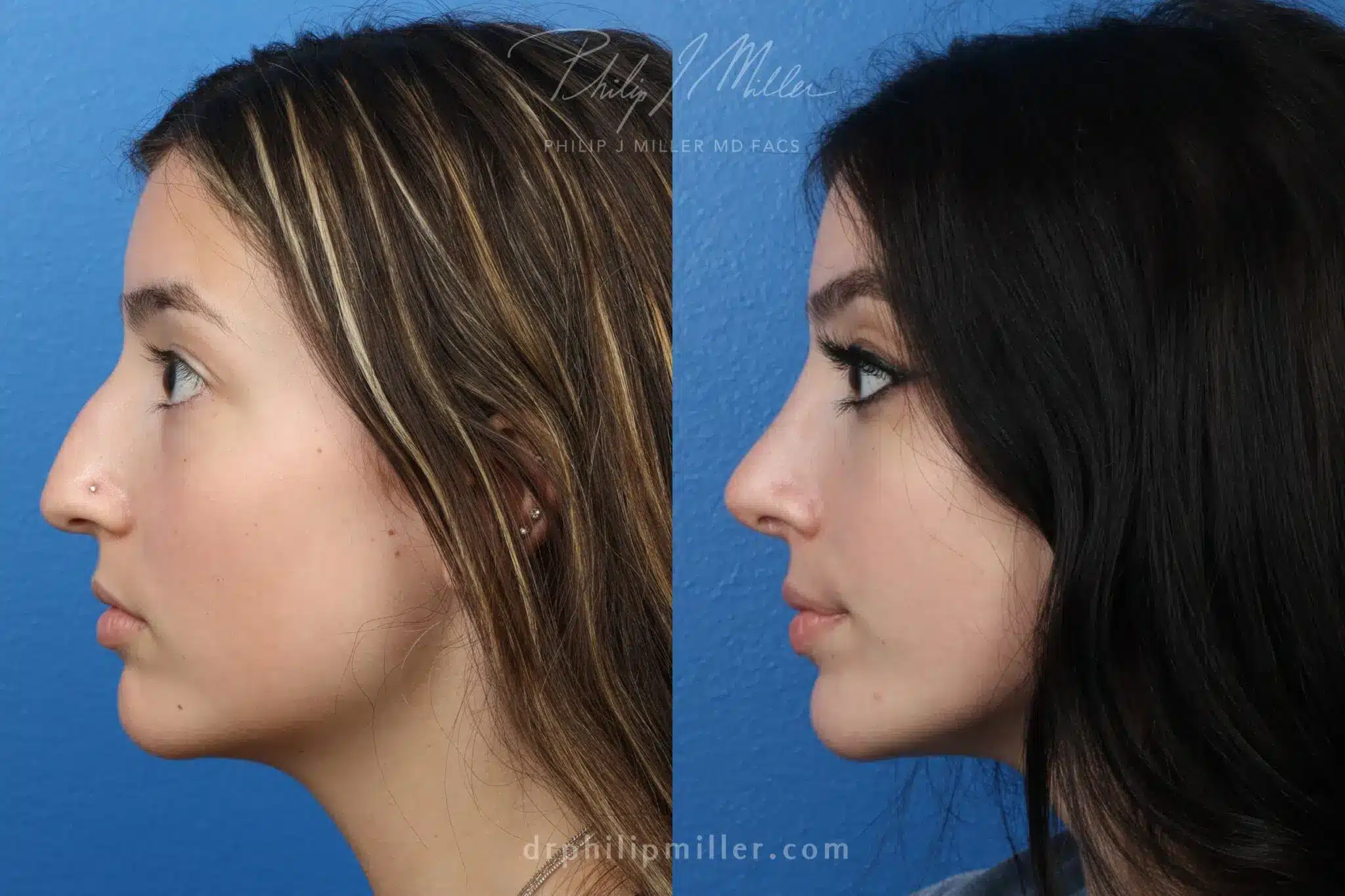
Months 2-3: As your nose continues to heal and swelling subsides even more, you will begin to see your full results and feel ready to show off your new nose. Keep in mind that it can take a year for all of the swelling to go down, however. During this time, your bone structure is more stable, enabling you to wear glasses and resume weight-bearing exercises.
Months 3-6: Any numbness or prickling sensations on the skin or inside your nose should begin to resolve at this point of the recovery process.
Months 6-12: Within a year, you will see the final results of your rhinoplasty procedure. With only minimal to no swelling, changes in the nose during this time will be subtle. The repositioned cartilage will have fully conformed to its new shape and the nasal tip should appear more refined.
There are factors that may impact your recovery timeline. These include skin texture and thickness, revision surgery, or extensive nasal reconstruction. During your consultation with Dr. Miller, he’ll be able to clearly discuss what recovery process to expect for your particular rhinoplasty procedure. He’ll also provide you with a set of post-operative care instructions, as well as recommendations for reducing swelling. Dr. Miller and his team will follow you through this entire process, but please be patient to see the final results.
Tips to Reduce Rhinoplasty Swelling

The best thing you can do as a patient is to follow all the after-care instructions provided by your surgeon. This ensures a smooth recovery free of any complications. Here are some recommendations to help reduce post-operative swelling and speed up your healing process, enabling you to see your full results sooner.
- Avoid sleeping on your side or belly. Sleeping on your back in an elevated position (propped on several pillows) is the best sleeping position. This will minimize fluid buildup, congestion, and discomfort.
- Stay hydrated by drinking lots of fluids. This will help reduce swelling by preventing fluid retention.
- Avoid salty foods which will increase the amount of fluid in your body and in turn result in more swelling due to water retention.
- Eat healthy foods like fruits, vegetables, and proteins that will promote wound healing (e.g., berries, leafy greens, beans, nuts and seeds, and poultry).
- Help the swelling subside by using cool compresses and ice packs around your nose. Do not apply ice directly on the skin. Prevent ice burns by wrapping an ice bag with a towel before application.
- Avoid hot baths and showers while you are still wearing a cast. Steam can worsen swelling and may even cause your cast to fall off.
- Avoid strenuous activities for at least 3-6 weeks, as these can increase blood flow and swelling.
- Avoid smoking which slows down the healing process and increases the risk of post-surgery complications.
- Avoid taking blood-thinning medications that can affect bleeding and impair healing.
Choosing Your Rhinoplasty Surgeon in New York City
For something as invasive as plastic surgery, choose a surgeon who will not only achieve your desired results based on your unique needs and goals, but someone who can provide the support and care you need before, during, and after your procedure.
As a board-certified facial plastic surgeon, Dr. Miller specializes in cosmetic facial procedures that are designed to help patients achieve their aesthetic goals. Dr. Miller creates innovative and comprehensive procedure plans in order to provide natural-looking results and outcomes that are life-changing. Considered one of the country’s leading experts in rhinoplasty and facial rejuvenation, Dr. Miller and his highly acclaimed team are proud to offer patients the highest level of care and customized treatments in Manhattan, New York, and New Orleans, Louisiana.
Dr. Miller’s approach to rhinoplasty encompasses the NatraLook® process that optimizes the patient’s overall experience by ensuring their journey yields the most rewarding results. It is NatraLook’s goal to help patients feel empowered before and after their surgery. During your NatraLook consultation, Dr. Miller evaluates your nose and facial features while listening to your concerns and goals. This process expands the typical plastic surgery experience into a safe, collaborative environment where you can explore your Aesthetic Confidence®.
Contact Dr. Miller to schedule a consultation and learn how his artistic skill and experience can bring balance to your features and help you achieve the best version of yourself.
3 Types of Facelifts You Need to Know About
Gone are the days when you would undergo surgery in hopes of restoring your youth, only to find your face looking like “done” after your procedure. Thanks to advanced, state-of-the-art technology and techniques, today’s plastic surgery combines science and art to create a natural, youthful appearance in both men and women.
Philip J. Miller, MD, FACS, is a double board-certified facial plastic surgeon who is known for creating natural results through customized treatment plans. He performs facelifts for patients with all degrees of aging, from the earliest fine lines and wrinkles to significant sagging and volume loss. With three basic types of facelifts, Dr. Miller will utilize his proprietary NatraLook® process to ensure you achieve the Aesthetic Confidence® you deserve when you look your very best.
3 Types of Facelifts
As the name suggests, a facelift is a procedure designed to lift and smooth the face to create a more youthful appearance. Also known as a rhytidectomy, they are appropriate for men and women of all ages, since Dr. Miller will tailor your treatment to your precise concerns and goals. There are three basic types of facelifts Dr. Miller offers in his New York and New Orleans offices.
Deep Plane Facelift
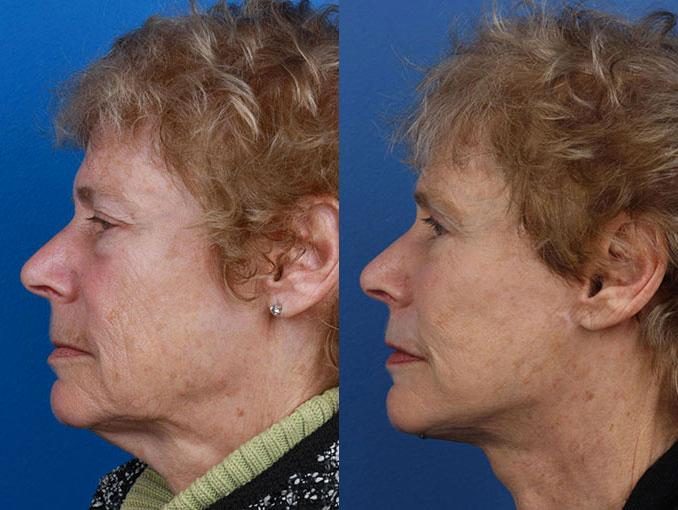
A deep plane facelift is the top choice for patients with significant aging symptoms. Deep plane facelifts reposition the muscle and soft tissue layer, or SMAS, before tightening the skin. This technique provides a more natural result than facelifts past that focused solely on skin tightening.
Deep plane facelifts enhance both the jowls and neck areas, but also let go of the cheek ligaments and raise the cheek fat pads and muscles. During a deep plane facelift, the skin and the SMAS are lifted together, rather than separately, which also creates more natural-looking results.
A deep plane facelift involves incisions behind and around the ears and along the hairline at the temples. Through these incisions, Dr. Miller can access the areas necessary to produce the most dramatic improvement. Surgery is performed using general anesthesia and takes about four hours to complete. Recovery from a deep plane facelift is typically 10-14 days.
Mini Facelift

Known as the “S-lift”, “weekend facelift”, and the “lunchtime facelift,” mini facelifts are quickly becoming a popular option in surgical facelifts. Less dramatic than a deep plane facelift, a mini facelift offers you a refreshed look by suspending the SMAS facial muscle.
Especially useful for the cheek and jowl areas, a mini facelift requires smaller incisions and a shorter recovery for most patients. The procedure may be performed using local anesthesia or IV sedation, rather than general anesthesia.
This type of plastic surgery is good for people who want to correct sagging cheeks, skin laxity in the jawline, midface sagging, marionette lines, jowls, and double chins. The improvements are not as dramatic as a deep plane facelift and typically don’t last as long. However, a mini facelift is an excellent choice for patients with earlier signs of aging that would like to refresh their appearance.
Liquid (Nonsurgical) Facelift
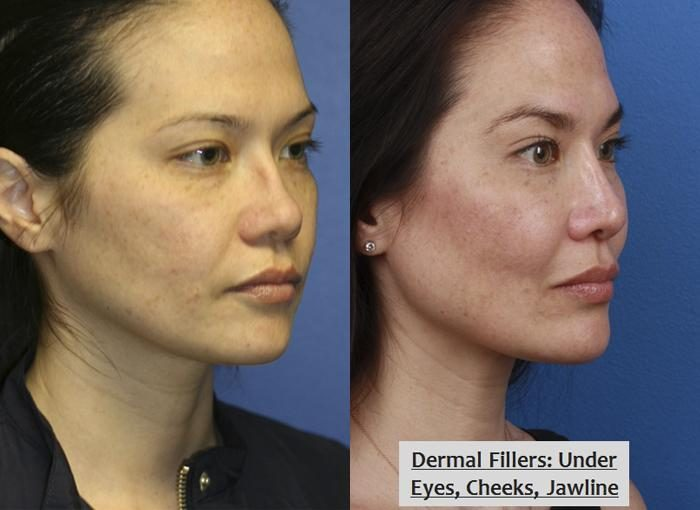
Nonsurgical, liquid facelifts involve a combination of injectable neuromodulators and dermal fillers to produce comprehensive improvement without anesthesia, incisions, or downtime. Neuromodulators like Botox® Cosmetic and Dysport® relax facial muscles that cause wrinkles to form in the forehead and around the eyes. Hyaluronic acid dermal fillers like Juvéderm® or Restylane® restore lost volume in the midface and along the jawline, while smoothing away wrinkles around the nose and mouth.
Results from a liquid facelift can be seen almost immediately, although slight swelling around the injection areas may interfere with your final results for a day or two. A liquid facelift is an excellent option for patients experiencing the earliest signs of aging or those who are not good candidates for surgical procedures.
What is the best type of facelift?
The best facelift for you is the one that meets your specific needs and goals. Dr. Miller will work with you to understand your concerns and create a customized plan to produce an optimal outcome for you. He will also take into account your medical history and current conditions to ensure the procedure you choose will be both safe and effective.
What is the most natural-looking facelift?
The most natural-looking facelift will be the one that is performed by an experienced facial plastic surgeon. Dr. Miller has the experience and expertise to ensure your results look natural no matter what type of procedure you choose. You can rest assured you won’t come out of your surgery with the typical windblow look of facelifts past. Instead, you will simply look like a better, more youthful version of yourself.
What is the best facelift without surgery?
Although there are radiofrequency (RF) and ultrasound therapies that effectively tighten and smooth the skin, the liquid facelift offers the ability to restore volume while treating fine lines and wrinkles. With minimal downtime, this procedure offers a quick fix for early signs of aging. Keep in mind that liquid facelifts produce temporary results and procedures will need to be repeated every few months to maintain your refreshed appearance.
Which facelift lasts the longest?
The deep plane facelift lasts up to 10 years, making it the facelift that lasts the longest. A mini facelift usually lasts around 5-8 years, depending on how well you care for your skin. Liquid facelifts must be repeated every year to maintain the positive results.
At your initial consultation, Dr. Miller will discuss the different types of facelifts available and help you choose the best option for you based on your specific needs and goals.If you are interested in learning more about facelifts or would like to schedule an appointment, contact our office in Manhattan, New York or New Orleans, Louisiana today.